

Working Principle and Features of Continuous Quantitative Material Conveying System Equipment
Continuous quantitative material conveying systems are integral to modern industrial processes, ensuring precise and efficient material handling. These systems are designed to transport bulk materials in a continuous flow while maintaining accurate weight or volume measurements. The core of such equipment lies in its ability to deliver materials at a consistent rate, which is crucial for applications ranging from food processing to chemical manufacturing.
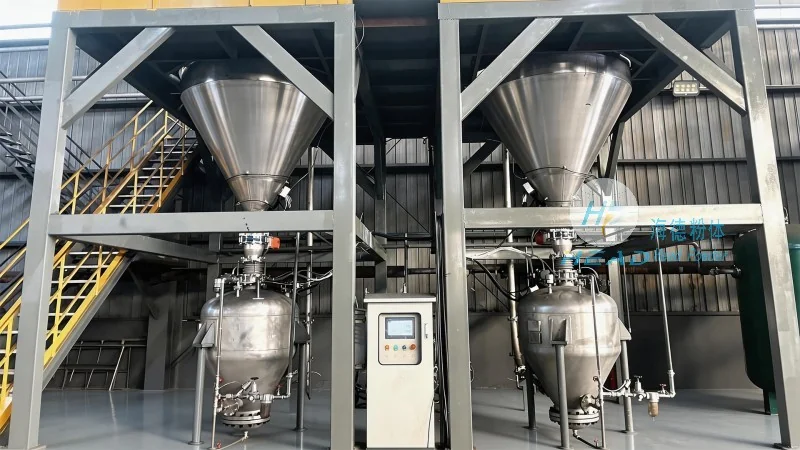
Working Principle of Continuous Quantitative Material Conveying Systems
The working principle of continuous quantitative material conveying systems is centered on the integration of conveying mechanisms with weighing or volumetric measurement technologies. Typically, these systems consist of a conveyor belt or screw mechanism that moves material through the system. Simultaneously, sensors and control units monitor the flow rate and adjust the conveyor speed or feed rate to maintain the desired output. The system often incorporates a hopper or feeder to regulate the material input, ensuring a steady supply to the conveyor. By combining mechanical conveying with precise measurement, the system achieves continuous, accurate material delivery. The control system, often based on digital or analog signals, adjusts the operation in real-time to compensate for variations in material density or conveyor load, maintaining consistent output.
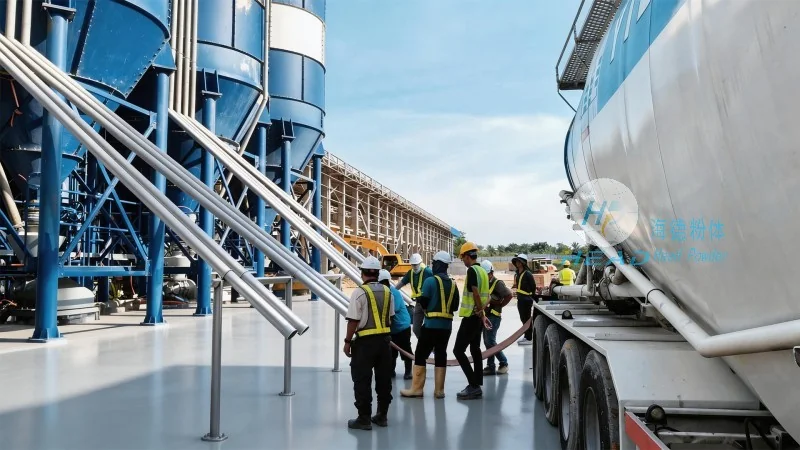
Key Features of Continuous Quantitative Material Conveying Systems
Continuous quantitative material conveying systems from Shandong HeadPowder Engineering Co., Ltd. (headpowder) are characterized by several key features that enhance performance and reliability. One primary feature is the high level of accuracy in material measurement, which is achieved through advanced load cells or volumetric sensors integrated into the conveyor. This ensures that the output meets strict quality and quantity standards, reducing waste and improving operational efficiency. Another significant feature is the system's durability and robust construction, designed to withstand heavy-duty industrial environments. The equipment is typically made from corrosion-resistant materials, such as stainless steel, to handle various materials without degradation. Additionally, the systems are equipped with user-friendly control interfaces, allowing operators to easily adjust settings and monitor performance. The modular design of these systems enables flexibility in customization, accommodating different material types and processing requirements. Furthermore, the integration of safety features, such as emergency stop buttons and overload protection, ensures safe operation in industrial settings. The systems also offer low maintenance requirements, with easy access to components for routine checks and repairs, reducing downtime and operational costs.
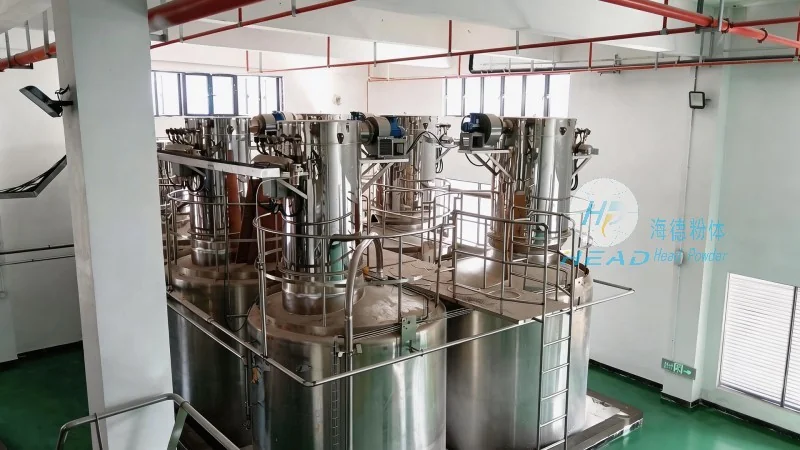
Application and Operational Benefits
Continuous quantitative material conveying systems are widely used in industries where precise material handling is critical. In the food industry, these systems are employed for transporting ingredients like flour, sugar, or grains, ensuring consistent product quality. In the chemical industry, they handle powders and granules, maintaining safety and regulatory compliance. The systems also find applications in pharmaceutical manufacturing, where accuracy and hygiene are paramount. The operational benefits of these systems include improved production efficiency, reduced material waste, and enhanced product consistency. By eliminating manual handling and human error, the systems streamline the material handling process, allowing for higher throughput and lower labor costs. The consistent output also supports quality control processes, as the material is delivered in uniform batches, facilitating easier testing and inspection. Additionally, the systems contribute to environmental sustainability by minimizing material spillage and reducing the need for reprocessing due to inaccurate measurements.