

Working Principle and Features of Continuous Material Feeding and Conveying System Equipment
Continuous material feeding and conveying systems are essential components in various industrial applications, designed to efficiently transport bulk materials from one location to another. The equipment from Shandong HeadPowder Engineering Co., Ltd. exemplifies advanced engineering solutions tailored to meet diverse operational needs. This article explores the working principles and key features of such systems, providing a comprehensive understanding of their functionality and benefits.
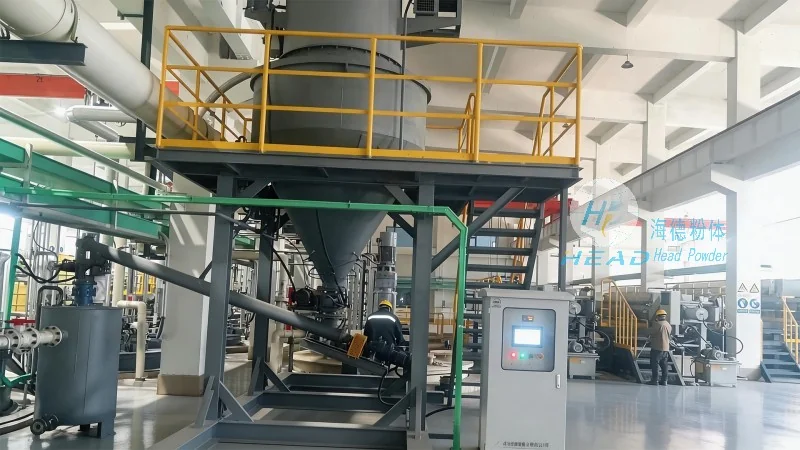
Overview of Continuous Material Feeding and Conveying Systems
At the core of these systems is the seamless integration of feeding mechanisms and conveyor technologies to ensure continuous material flow. The equipment from HeadPowder, a leading manufacturer based in Shandong, China, leverages cutting-edge design and robust construction to deliver reliable performance in demanding environments. The primary goal of these systems is to optimize material handling processes, reduce downtime, and enhance overall operational efficiency.
Working Principle of Continuous Material Feeding and Conveying Systems
The working principle of continuous material feeding and conveying systems involves several key steps. Initially, materials are fed into the system through an input hopper or feeder. The feeder then regulates the flow rate, ensuring a consistent supply of material to the conveyor. The conveyor, typically equipped with rollers, belts, or chains, transports the material along a designated path. This continuous motion allows for uninterrupted material transfer, minimizing the need for manual intervention. The system may also include additional components such as elevators, sorters, or processing units, depending on the specific application requirements. The entire process is controlled by a centralized system that monitors and adjusts parameters to maintain optimal performance.
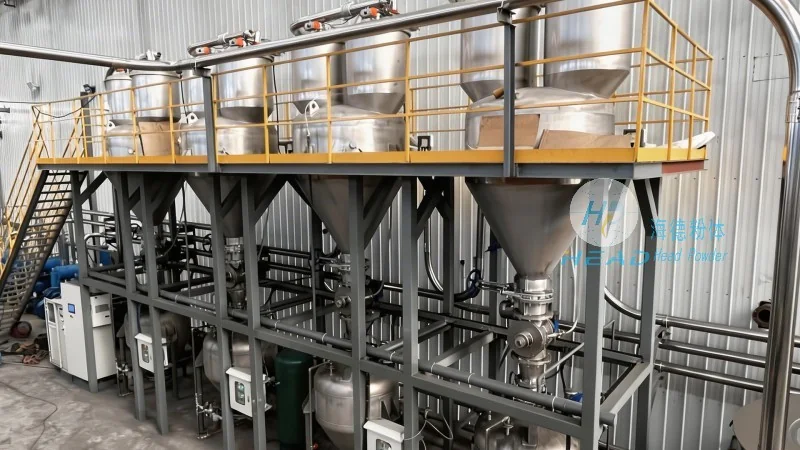
Key Features of Continuous Material Feeding and Conveying Systems
Continuous material feeding and conveying systems from HeadPowder are characterized by several distinctive features that set them apart in the industry. Firstly, the systems are designed for high capacity and durability, capable of handling a wide range of materials, including powders, granules, and bulk solids. The robust construction ensures long-term reliability and minimal maintenance requirements. Secondly, the equipment incorporates advanced control systems, allowing for precise regulation of material flow and speed. This automation enhances operational flexibility and reduces the risk of errors. Thirdly, the systems are highly customizable, with options to integrate additional functionalities such as material sorting, weighing, or processing. This adaptability makes them suitable for various industries, including manufacturing, mining, and food processing. Additionally, the equipment is engineered for energy efficiency, utilizing advanced motor technologies to minimize power consumption while maintaining performance. The integration of safety features, such as emergency stop mechanisms and overload protection, further enhances the system's reliability and user safety.
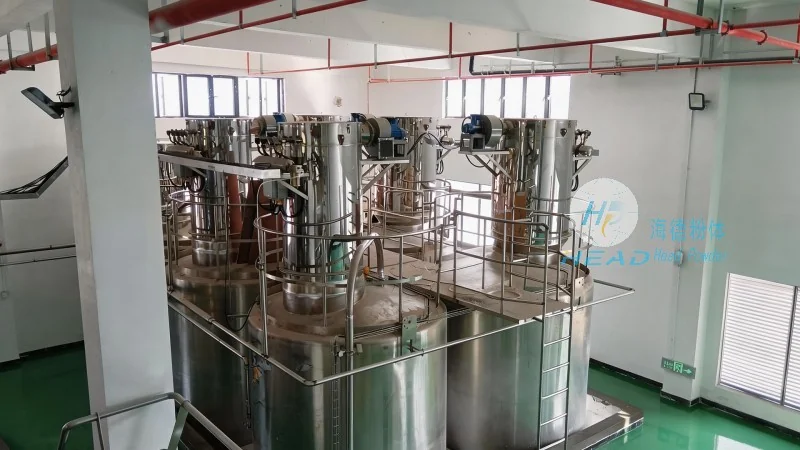
Applications and Benefits in Industrial Settings
Continuous material feeding and conveying systems find extensive applications across multiple industrial sectors. In manufacturing plants, these systems are crucial for transporting raw materials to production lines, ensuring a steady supply of components. In mining operations, they facilitate the movement of extracted minerals from processing sites to storage or transportation facilities. The food processing industry also benefits from these systems, as they enable the efficient handling of bulk ingredients while maintaining hygiene standards. The primary benefits of implementing such systems include increased productivity, reduced labor costs, and improved material handling accuracy. By automating the material transfer process, companies can achieve higher throughput rates and minimize operational disruptions. Furthermore, the consistent flow of materials reduces the risk of bottlenecks and ensures smooth workflow continuity.
Conclusion
Continuous material feeding and conveying systems from Shandong HeadPowder Engineering Co., Ltd. represent a sophisticated solution for modern industrial material handling challenges. By understanding the working principles and key features of these systems, businesses can make informed decisions to enhance their operational efficiency and productivity. The robust design, advanced control capabilities, and customization options make HeadPowder's equipment a reliable choice for various applications. As industries continue to evolve, the demand for efficient material handling solutions will remain high, and continuous feeding and conveying systems will play a pivotal role in meeting these demands. With its commitment to quality and innovation, HeadPowder remains at the forefront of providing cutting-edge solutions for material handling needs.