

Working Principle and Features of Micro Sand Powder Material Transport Systems
Micro sand powder material transport systems are specialized equipment designed to handle and transport fine powders such as micro sand efficiently and reliably. These systems are crucial in industries like construction, glass manufacturing, and chemical processing where precise material handling is essential. The systems are engineered to address the unique challenges associated with transporting fine powders, including dust control, material flow optimization, and system durability.
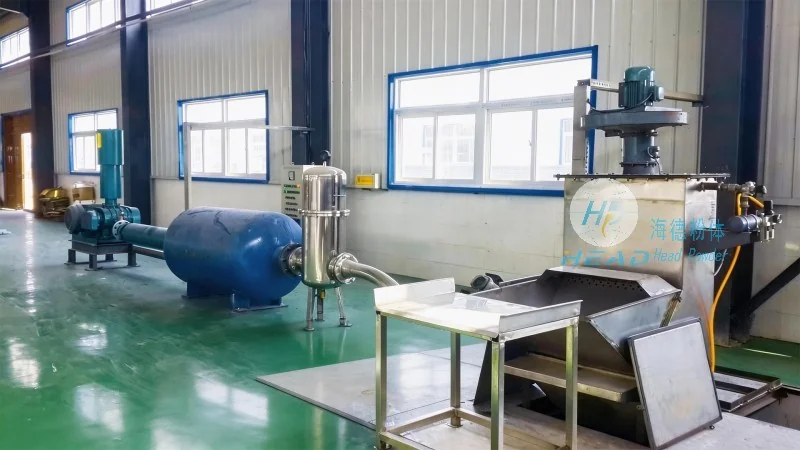
Working Principle of Micro Sand Powder Material Transport Systems
The working principle of micro sand powder material transport systems typically involves several key components and processes. At the core, the system uses a combination of mechanical and pneumatic mechanisms to move the powder from the source to the destination. The process generally starts with the feeding of micro sand into a hopper or storage tank. From there, the powder is conveyed through a pipeline using either positive pressure (blowing air) or negative pressure (suction). The choice of method depends on the specific application and the characteristics of the powder. For example, positive pressure systems are often used for long-distance transport or when the material needs to be delivered to multiple points, while negative pressure systems are suitable for short-distance transport or when the environment requires minimal dust emission.
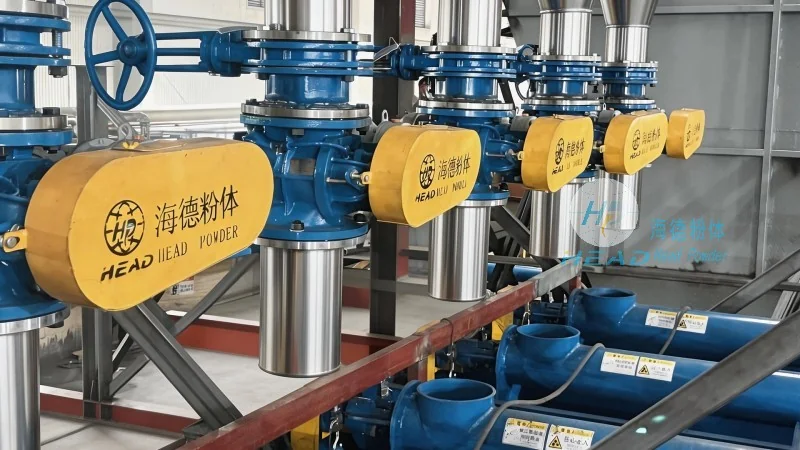
Key Features of Micro Sand Powder Material Transport Systems
Micro sand powder material transport systems from Shandong HeadPowder Engineering Co., Ltd. (headpowder) are distinguished by several advanced features that enhance performance and user experience. One of the primary features is the integration of advanced control systems that allow for precise regulation of material flow rates. This ensures consistent delivery of micro sand to the processing units, minimizing variations in product quality. Another notable feature is the use of high-quality materials in the construction of the transport components, such as stainless steel or corrosion-resistant alloys, which are essential for handling abrasive micro sand particles. The systems also incorporate effective dust suppression mechanisms, including sealed pipelines and filtration systems, to maintain a clean and safe working environment. Additionally, the design of these systems emphasizes energy efficiency, with optimized air flow and motor controls that reduce operational costs over time.
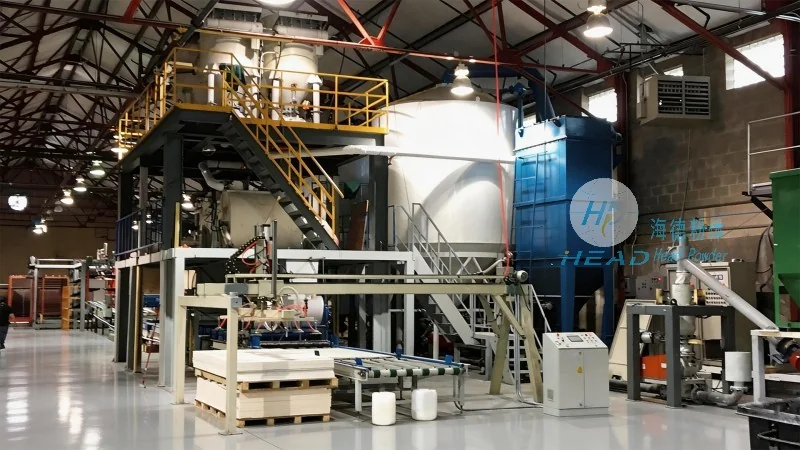
Application Scenarios and Benefits
Micro sand powder material transport systems are widely used in various industrial applications. In the construction industry, they are employed to transport micro sand to concrete mixing plants, ensuring a steady supply of high-quality aggregates. In the glass manufacturing sector, these systems are crucial for delivering micro sand to glass melting furnaces, where the purity and consistency of the powder directly impact the quality of the final glass products. The benefits of using such systems extend beyond just efficient material transport. They also contribute to improved safety by reducing manual handling of fine powders, which can be hazardous if not handled properly. Furthermore, the systems help in maintaining a clean and organized production environment, which is vital for meeting regulatory standards and ensuring worker health.
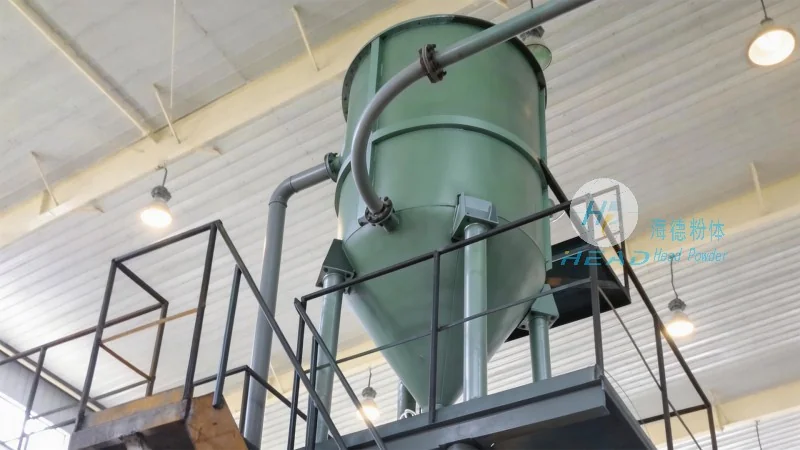
Technical Specifications and Customization Options
Shandong HeadPowder Engineering Co., Ltd. offers a range of technical specifications and customization options to meet the diverse needs of different industries. The systems are available in various sizes and capacities, from small-scale units for laboratory use to large-scale systems for industrial production. The company provides customization services to tailor the systems to specific requirements, such as different pipeline lengths, material flow rates, and environmental conditions. Technical specifications include details on the maximum conveying distance, material flow rate, and power consumption. For example, some models can handle up to 100 tons per hour of micro sand over a distance of 500 meters, while others are designed for shorter distances with lower flow rates. The customization options also include the integration of additional features like automatic shut-off valves, pressure sensors, and remote monitoring capabilities, which enhance the overall functionality and reliability of the system.