

Working Principle and Features of Phenolic Resin Powder Pneumatic Conveying Equipment
Phenolic resin powder, a widely used material in various industrial sectors, requires efficient and reliable handling systems to ensure smooth production processes. The pneumatic conveying machine designed for phenolic resin powder is a specialized equipment that addresses the unique challenges associated with transporting this type of material. This article will delve into the working principle and key features of such equipment, providing a comprehensive understanding of its functionality and benefits.
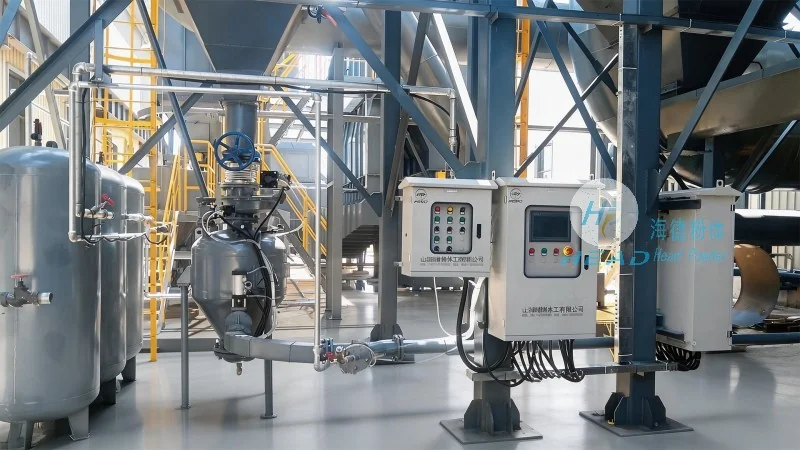
Introduction to Phenolic Resin Powder Pneumatic Conveying Equipment
Phenolic resin powder is a thermosetting polymer that is commonly used in applications like adhesives, coatings, and composites. Due to its fine particle size and potential for dust generation, traditional conveying methods such as bucket elevators or belt conveyors may not be suitable. The pneumatic conveying system offers a solution by utilizing air as the conveying medium, allowing for the safe and efficient transport of phenolic resin powder over long distances without the need for mechanical contact with the material.
Working Principle of the Phenolic Resin Powder Pneumatic Conveying Machine
The core working principle of a phenolic resin powder pneumatic conveying machine involves the use of compressed air to create a flow that transports the powder from the source to the destination. The process typically begins with the material being fed into a hopper or feeder, where it is then introduced into a pipeline. Compressed air, generated by a blower or compressor, is introduced into the pipeline, creating a pressure differential that propels the powder particles forward. The air flow is carefully controlled to ensure that the powder is carried in a dilute phase, minimizing the risk of clogging and ensuring consistent flow rates.
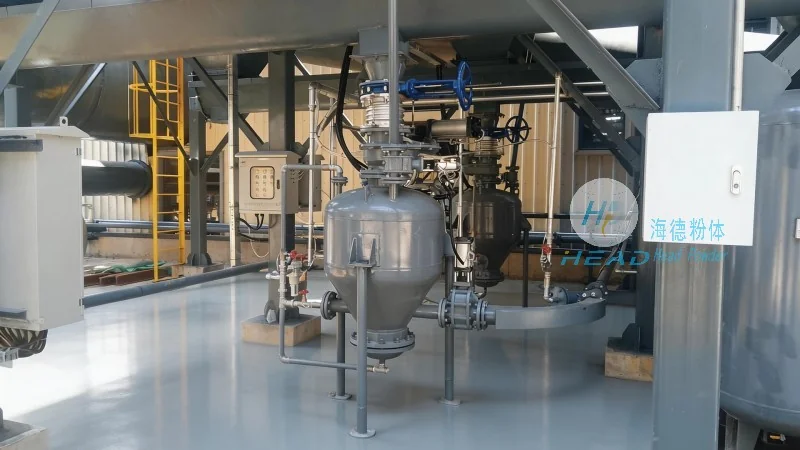
As the powder travels through the pipeline, it may encounter various components such as bends, elbows, or expansion joints. These elements are designed to maintain the air-powder mixture's stability, preventing particle separation or blockages. The conveying system may also include a filter or separator at the end to remove any excess air and collect the phenolic resin powder, ensuring that the material is delivered to the target location in a clean and dry state. The entire process is automated and can be integrated with other production equipment, such as mixing or molding machines, to streamline the manufacturing workflow.
Key Features and Advantages of Phenolic Resin Powder Pneumatic Conveying Equipment
The phenolic resin powder pneumatic conveying machine offers several distinct advantages that make it an ideal choice for industrial applications. One of the primary benefits is its ability to handle fine powders without causing dust contamination or product degradation. The enclosed system prevents dust from escaping into the environment, reducing the risk of respiratory issues for operators and minimizing the need for additional dust control measures.
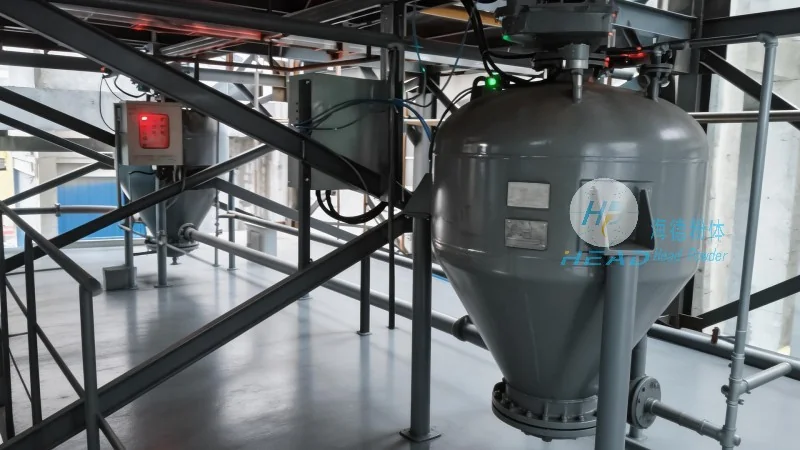
Another significant feature is the high efficiency and reliability of the system. By eliminating the need for mechanical components like belts or chains, the pneumatic conveying machine reduces maintenance requirements and increases operational uptime. The air-driven mechanism allows for precise control over the conveying rate, ensuring that the phenolic resin powder is delivered at the required speed and volume. This control is crucial for maintaining consistent product quality and preventing overloading or underloading of downstream equipment.
The equipment also demonstrates excellent adaptability to different production environments. It can be easily integrated into existing facilities, and its modular design allows for customization based on specific application needs. Whether used for short-distance or long-distance transport, the pneumatic conveying machine can be configured to handle varying powder quantities and particle sizes. Additionally, the system is energy-efficient compared to traditional conveying methods, as it minimizes energy loss through friction and mechanical wear.
Technical Specifications and Application Considerations
When selecting a phenolic resin powder pneumatic conveying machine, several technical specifications and application considerations must be taken into account. The system's capacity, determined by the blower's air volume and the pipeline diameter, should match the production requirements. For example, a machine with a higher air flow rate is suitable for transporting larger quantities of phenolic resin powder over longer distances. The material of construction, such as stainless steel or special alloys, is critical to prevent corrosion or contamination from the phenolic resin powder.
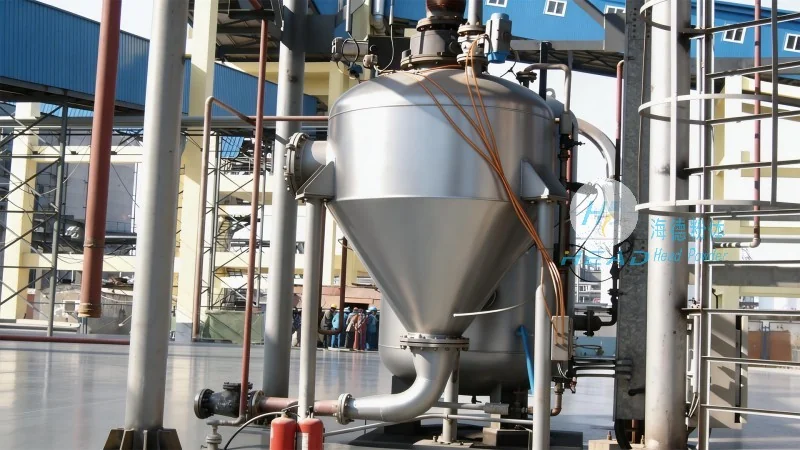
The design of the hopper and feeder is also important, as it affects the feeding consistency and prevents material bridging or caking. Proper sealing and maintenance of these components are essential to ensure smooth operation. The choice of air filter and separator at the discharge end is crucial for maintaining the purity of the phenolic resin powder, as any residual air or contaminants can affect the final product quality. In industrial settings, the equipment is often equipped with safety features such as pressure relief valves and overcurrent protection to prevent accidents and ensure safe operation.
Conclusion
In conclusion, the phenolic resin powder pneumatic conveying machine is a sophisticated and efficient solution for transporting fine powders like phenolic resin. Its working principle, based on air-driven transport, offers numerous advantages including dust control, high efficiency, and adaptability. By understanding the key features and technical considerations, industries can effectively implement this equipment to enhance their production processes and maintain product quality. The reliable performance of such systems, combined with the expertise of manufacturers like Shandong HeadPowder Engineering Co., Ltd., ensures that phenolic resin powder can be handled safely and efficiently in various industrial applications.