

Working Principle and Features of Pneumatic Conveying Equipment for Glass Raw Materials
The pneumatic conveying equipment used for transporting glass raw materials is a critical component in modern glass manufacturing processes. As a leading manufacturer in this field, Shandong HeadPowder Engineering Co., Ltd. specializes in providing efficient and reliable solutions for material handling in the glass industry. This article explores the working principle and key features of such equipment, highlighting its importance in optimizing production efficiency and maintaining material quality.
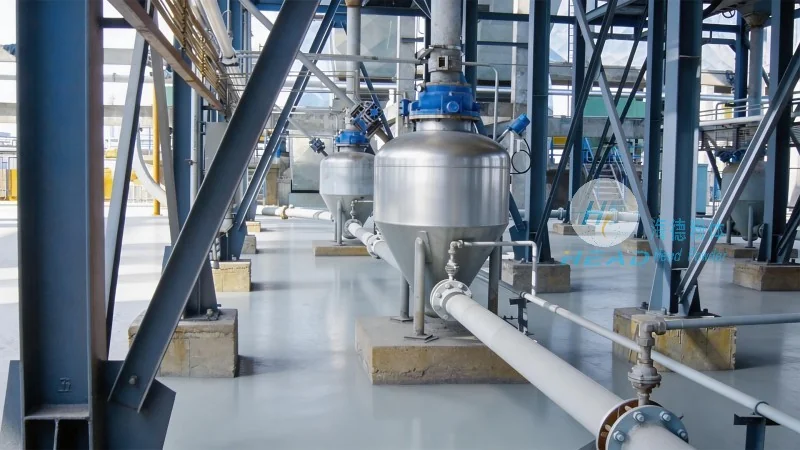
Working Principle of Pneumatic Conveying Equipment for Glass Raw Materials
The working principle of pneumatic conveying equipment for glass raw materials involves the use of compressed air to transport bulk materials through a pipeline system. This process typically operates on either positive or negative pressure systems. In a positive pressure system, air is blown into the material stream, creating a flow that propels the raw materials forward. Conversely, a negative pressure system draws the material into the pipeline using vacuum, which is then carried by the air flow. The equipment consists of several key components, including a hopper for material storage, a conveyor line with appropriate fittings and valves, and a dust collection system to ensure environmental compliance. The process begins when the glass raw materials are fed into the hopper. Compressed air is then introduced, either by a blower or a vacuum pump, depending on the system design. The air and material mixture travels through the pipeline, with the air pressure or vacuum maintaining the flow. At the destination, the material is separated from the air, often through a cyclone separator or a filter, and the air is then discharged or recirculated. In a typical setup, the glass raw materials, such as sand, soda ash, limestone, and other additives, are stored in a hopper. The hopper is equipped with a feeder that controls the flow rate of the material into the conveying line. Compressed air is then supplied to the system, either through a positive pressure blower or a negative pressure vacuum pump. The air is introduced at specific points along the pipeline, creating a flow that carries the material particles. The velocity of the air must be sufficient to overcome the gravitational and frictional forces acting on the material particles, ensuring stable transport. The pipeline system is designed with appropriate diameters and bends to minimize pressure losses and maintain consistent flow. At the receiving end, the material is separated from the air using a separator, such as a cyclone or a bag filter. The separated material is then collected in a bin or storage tank, while the air is either discharged to the atmosphere or recirculated back into the system to improve energy efficiency.
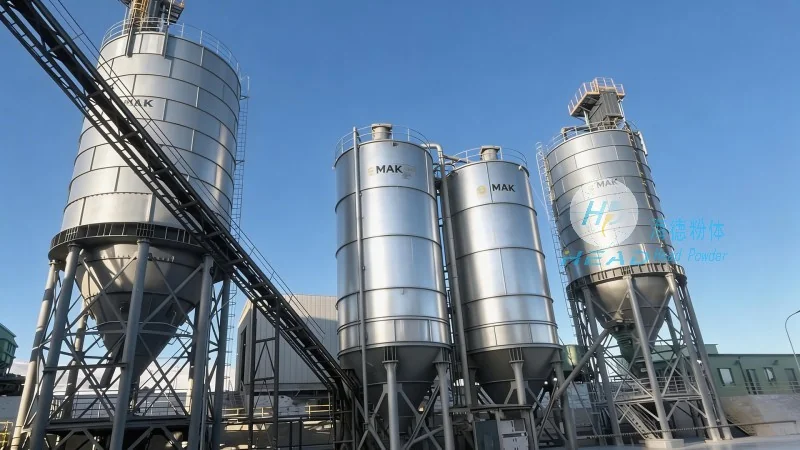
Key Features of Pneumatic Conveying Equipment for Glass Raw Materials
Key features of pneumatic conveying equipment for glass raw materials include high efficiency in material transport, minimal product degradation, and the ability to handle a wide range of raw materials. The equipment is designed to maintain the integrity of the glass raw materials, preventing contamination or breakage during transit. Another significant feature is its flexibility in system configuration, allowing for both horizontal and vertical transport, as well as complex routing to accommodate different production layouts. Additionally, modern pneumatic conveying systems are equipped with advanced control systems that enable precise regulation of flow rates and pressure, ensuring consistent performance. The use of sealed pipelines also helps in maintaining a clean and dust-free environment, which is crucial for glass manufacturing, where contamination can affect the final product quality. Furthermore, the equipment is easy to integrate with existing production lines, reducing downtime and installation costs. The durability of the components, especially those in contact with abrasive glass raw materials, is another important feature, ensuring long-term reliability and minimal maintenance requirements. The working principle of pneumatic conveying equipment for glass raw materials involves the fundamental interaction between air and bulk materials. In a typical setup, the glass raw materials, such as sand, soda ash, limestone, and other additives, are stored in a hopper. The hopper is equipped with a feeder that controls the flow rate of the material into the conveying line. Compressed air is then supplied to the system, either through a positive pressure blower or a negative pressure vacuum pump. The air is introduced at specific points along the pipeline, creating a flow that carries the material particles. The velocity of the air must be sufficient to overcome the gravitational and frictional forces acting on the material particles, ensuring stable transport. The pipeline system is designed with appropriate diameters and bends to minimize pressure losses and maintain consistent flow. At the destination, the material is separated from the air using a separator, such as a cyclone or a bag filter. The separated material is then collected in a bin or storage tank, while the air is either discharged to the atmosphere or recirculated back into the system to improve energy efficiency. One of the most significant advantages is the ability to handle abrasive materials without causing excessive wear on the equipment components. This is achieved through the use of high-quality materials for the pipeline and fittings, such as stainless steel or special alloys that resist corrosion and wear. Another key feature is the system's ability to maintain a clean and dust-free environment, which is critical in glass manufacturing where even small amounts of contamination can affect the final product's clarity and quality. The sealed pipeline design prevents dust from escaping into the workplace, reducing health hazards and environmental impact. Additionally, the equipment offers high flexibility in terms of system layout, allowing for both simple linear transport and complex multi-point distribution. This flexibility is particularly valuable in large glass manufacturing facilities where raw materials need to be delivered to multiple processing units. The advanced control systems integrated into modern pneumatic conveying equipment enable precise regulation of flow rates, pressure, and air volume. This allows operators to adjust the system parameters in real-time, optimizing performance based on production demands. The result is improved efficiency, reduced energy consumption, and lower operational costs. Furthermore, the equipment is designed for easy maintenance, with accessible components that can be serviced quickly, minimizing downtime and maximizing productivity.
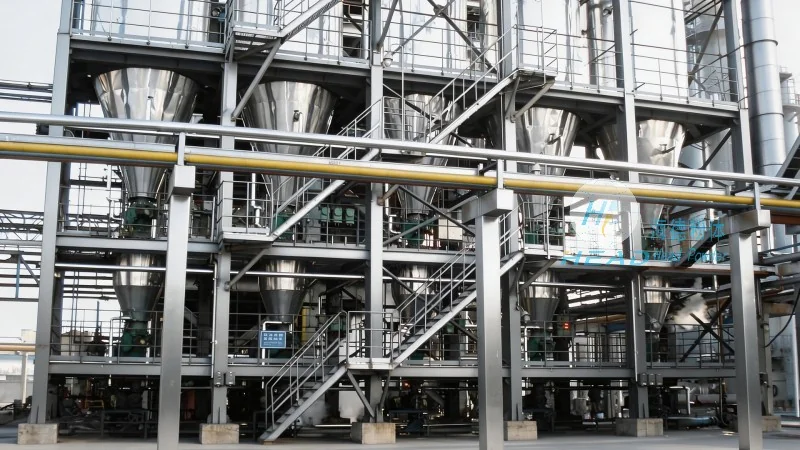
As a professional manufacturer, Shandong HeadPowder Engineering Co., Ltd. (headpowder) is committed to delivering high-quality pneumatic conveying solutions tailored to the specific needs of the glass industry. With a focus on innovation and customer satisfaction, the company provides comprehensive support, from system design and installation to after-sales service. The equipment manufactured by headpowder is designed to meet international standards and is backed by rigorous quality control processes, ensuring that each unit is reliable and efficient. The company's headquarters is located in Shandong, China, where it leverages advanced technology and experienced engineering teams to develop cutting-edge solutions for material handling in various industrial sectors.