

[WOKING PRINCIPLE AND FEATURES OF LYSINE PNEUMATIC CONVEYING EQUIPMENT]
HeadPowder, a reputable engineering company based in Shandong, China, specializes in the design and manufacturing of advanced Lysine Pneumatic Conveying Equipment. This article explores the fundamental working principle and distinctive features of such equipment, providing a comprehensive overview for industrial users seeking efficient material handling solutions.
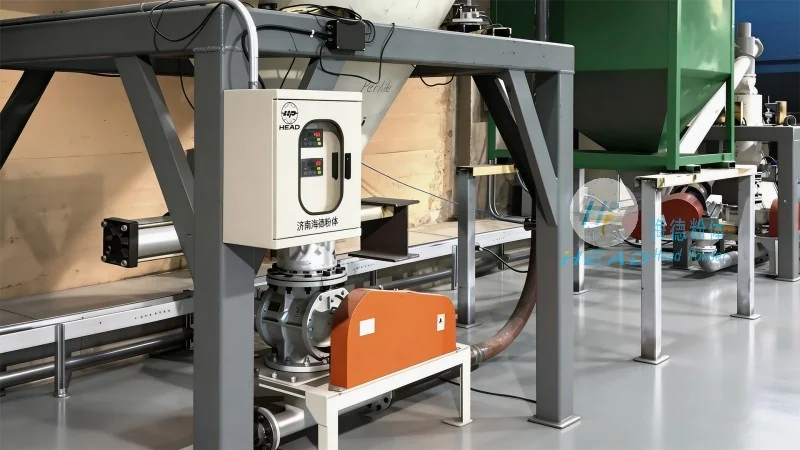
Working Principle of Lysine Pneumatic Conveying Equipment
The Lysine Pneumatic Conveying Equipment operates based on pneumatic transport technology, which utilizes air or gas to move bulk Lysine powder through a sealed pipeline system. The process begins with the material being fed into a hopper or feeder, where it is then introduced into the conveying line. A fan or blower generates a flow of air that creates either a negative pressure (suction) or positive pressure (pressure) environment, depending on the system configuration. In a suction system, the air is drawn through the pipeline, pulling the Lysine particles along with it. Conversely, a pressure system forces air into the pipeline, pushing the material forward. The equipment may use a combination of both systems for more complex layouts. The design ensures that the Lysine particles are transported gently, minimizing breakage and degradation. The system also incorporates filters and cyclones to separate the material from the air at the discharge point, ensuring clean air release and material recovery. This principle of operation allows for efficient, dust-free, and continuous transport of Lysine, which is critical for maintaining product quality in food and pharmaceutical applications.
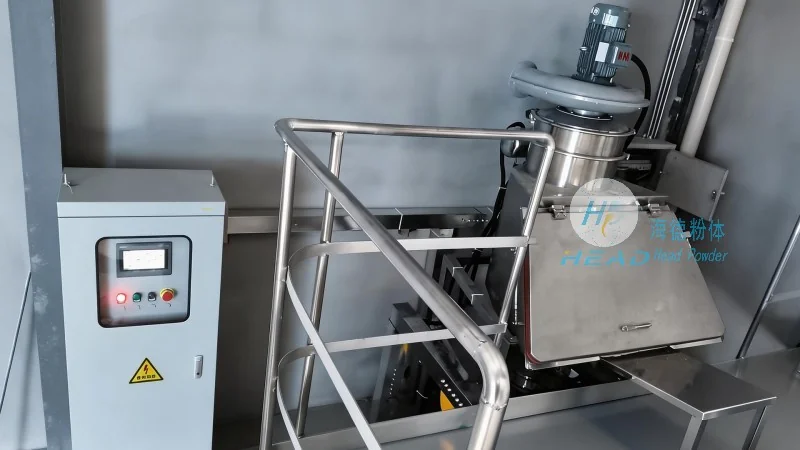
Key Features of Lysine Pneumatic Conveying Equipment
HeadPowder's Lysine Pneumatic Conveying Equipment is characterized by several key features that enhance its performance and adaptability. One of the primary features is its robust construction, utilizing high-quality materials such as stainless steel or corrosion-resistant alloys to withstand the demands of Lysine processing. This ensures durability and long-term reliability, even in harsh industrial environments. Another significant feature is the system's flexibility in terms of layout and integration. It can be customized to fit various production line configurations, allowing for seamless integration with existing equipment or new installations. The equipment also includes advanced control systems, enabling precise regulation of air flow and material feed rates. This control capability helps maintain consistent product quality and prevents overloading or underloading of the system. Additionally, the equipment is designed with hygiene in mind, featuring smooth surfaces and easy-to-clean components, which are essential for food-grade applications. The compact design of the system minimizes the required floor space, making it suitable for both large-scale and small-scale operations. Furthermore, the energy-efficient design reduces operational costs by optimizing air consumption and motor usage. The system may also include safety features such as pressure relief valves and overcurrent protection, ensuring safe and reliable operation. These features collectively contribute to the equipment's effectiveness in handling Lysine and other fine powders.
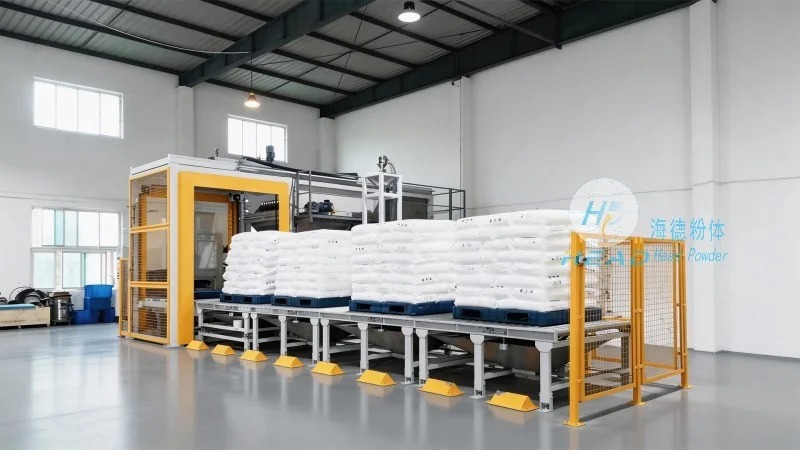
Advantages of Implementing Lysine Pneumatic Conveying Equipment
Adopting Lysine Pneumatic Conveying Equipment offers numerous advantages for industrial operations. Firstly, it significantly improves operational efficiency by automating the material transport process. This automation reduces the need for manual handling, minimizing labor costs and the risk of human error. The continuous and reliable transport of Lysine ensures higher production throughput, allowing businesses to meet increasing demand without additional equipment. Secondly, the equipment enhances product quality by providing gentle handling of the material. This reduces particle breakage and degradation, preserving the nutritional value and purity of Lysine. This is particularly important for applications where product integrity is critical, such as in animal feed and pharmaceuticals. Thirdly, the enclosed system improves safety by preventing dust exposure and cross-contamination. The sealed pipeline eliminates the risk of dust inhalation and ensures that the Lysine remains uncontaminated by external sources. This not only protects workers' health but also maintains compliance with regulatory standards. Additionally, the energy-efficient design of the equipment contributes to lower operational costs over time. By optimizing air flow and reducing energy consumption, businesses can achieve significant cost savings. The system's scalability allows for future expansion, as it can be easily upgraded to handle increased production volumes. Finally, the advanced monitoring and control features provide valuable data for process optimization. Real-time tracking of material flow and system performance enables businesses to identify inefficiencies and make data-driven decisions to improve overall operational performance.