

Working Principle and Features of Aggregate Pneumatic Conveying Systems
Aggregate pneumatic conveying systems are critical components in modern industrial operations, particularly in the construction and material processing sectors. These systems are engineered to transport bulk materials such as aggregates, powders, and granules through a sealed pipeline using air or gas as the primary conveying medium. Understanding the fundamental working principles and key features of these systems is essential for optimizing material handling processes, enhancing operational efficiency, and ensuring compliance with environmental standards.
Working Principle of Aggregate Pneumatic Conveying Systems
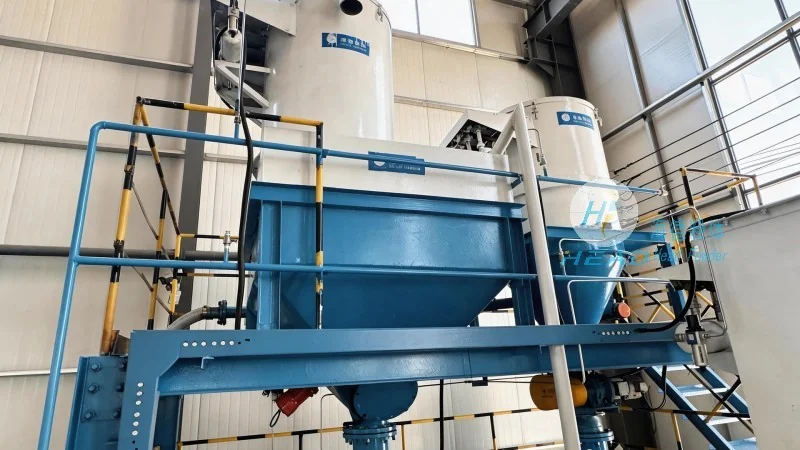
The operational mechanism of aggregate pneumatic conveying systems revolves around the generation of airflow within a pipeline. A blower or compressor is used to create a pressure differential, which propels the material particles along the pipeline. The material is typically introduced into the system at the inlet or through a hopper, where it is then entrained by the moving air stream. The system may operate in either dilute phase or dense phase modes, depending on the material characteristics, particle size, and required conveying distance. In dilute phase systems, the material is suspended in the air stream, while in dense phase systems, the material is conveyed in a more concentrated form, often with higher pressure and lower air velocity.
Key Features of Aggregate Pneumatic Conveying Systems
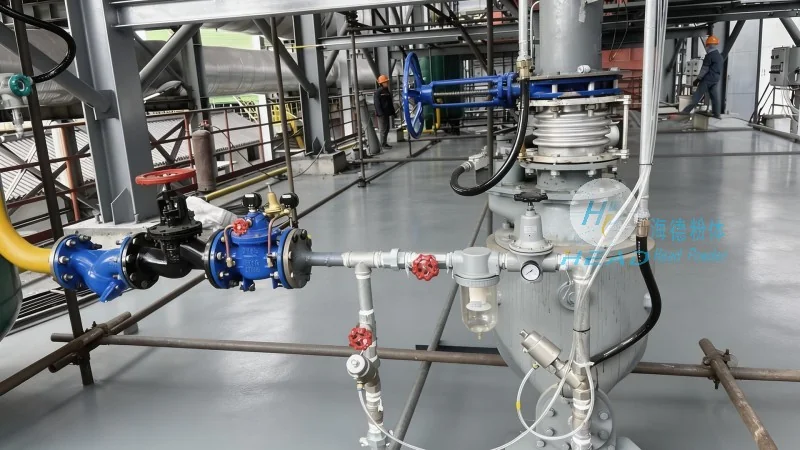
Several distinctive features set aggregate pneumatic conveying systems apart from traditional material handling methods. Firstly, they offer unparalleled flexibility in terms of layout and installation, as the pipeline can be configured in various shapes and orientations to accommodate complex site conditions and spatial constraints. Secondly, these systems are highly energy-efficient, with lower operational costs compared to mechanical systems like belt conveyors or bucket elevators. The use of air as the conveying medium reduces friction and wear, leading to longer equipment life and reduced maintenance requirements. Additionally, aggregate pneumatic conveying systems provide excellent dust control and environmental protection, as the material is contained within a sealed pipeline, minimizing airborne particulates and reducing the risk of contamination.
Company Profile: Shandong HeadPowder Engineering Co., Ltd.
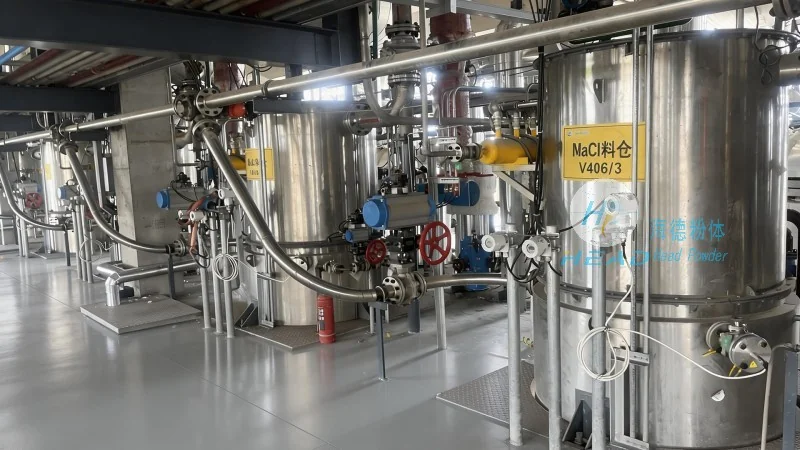
Headpowder, a leading manufacturer of aggregate pneumatic conveying systems, is dedicated to providing innovative and reliable material handling solutions. Headquartered in Shandong, China, the company has built a strong reputation for its commitment to quality, technical expertise, and customer satisfaction. With a team of experienced engineers and technicians, Headpowder designs and manufactures systems tailored to meet the specific needs of various industries, including construction, mining, and manufacturing. The company's state-of-the-art production facilities and rigorous quality control processes ensure that every product meets the highest standards of performance and durability.
Technical Advantages and Applications
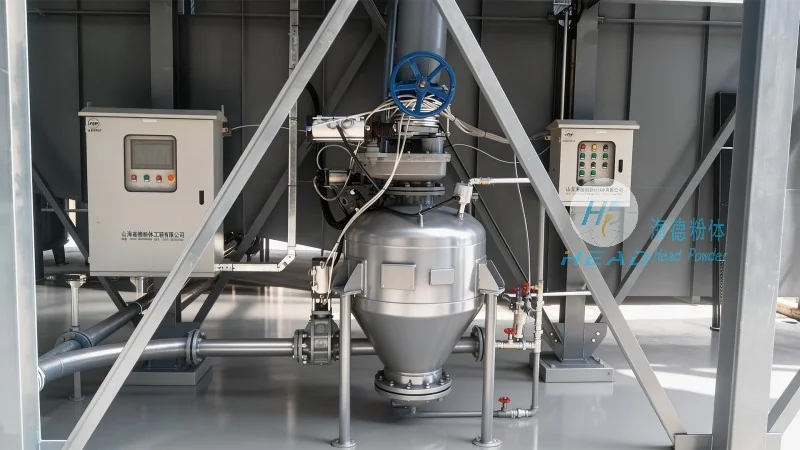
Aggregate pneumatic conveying systems from Headpowder are equipped with advanced features that enhance their performance and versatility. The systems are designed to handle a wide range of materials, including sand, gravel, cement, and other construction aggregates, with minimal degradation or loss of material quality. The use of high-quality components, such as corrosion-resistant materials and precision-engineered parts, ensures long service life and reliable operation. These systems are widely applied in construction sites for transporting aggregates from storage to mixing plants, in mining operations for material transport between processing stages, and in industrial plants for bulk material handling in production lines. The flexibility and efficiency of these systems make them an ideal choice for applications where traditional methods may be impractical or inefficient.