

Working Principle and Features of Red Mud Pneumatic Conveying Systems
Red mud, a byproduct of bauxite processing in the aluminum industry, poses significant challenges in handling and disposal due to its high moisture content and abrasive nature. Pneumatic conveying systems have emerged as an effective solution for transporting red mud efficiently and safely. This article explores the working principle and key features of red mud pneumatic conveying systems, highlighting their application in industrial settings.
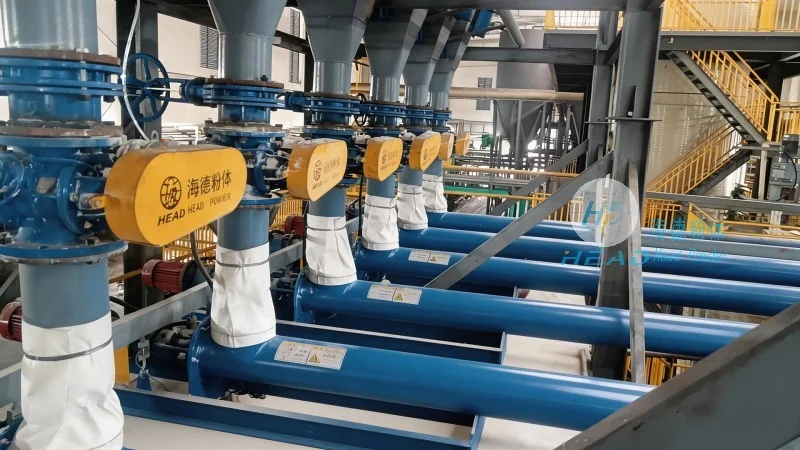
Introduction to Red Mud Pneumatic Conveying Systems
Red mud, also known as bauxite residue, is a solid waste generated during the extraction of alumina from bauxite ore. Traditional methods of handling red mud, such as truck transport or gravity flow, are often inefficient and environmentally unfriendly. Pneumatic conveying systems offer a more sustainable approach by using air to transport the material through pipelines, reducing the need for heavy machinery and minimizing environmental impact.
Working Principle of Red Mud Pneumatic Conveying Systems
The core of a red mud pneumatic conveying system is the air flow mechanism that propels the material through the pipeline. The system typically consists of a dust collector, a blower, a pipeline network, and a discharge point. The process begins with the red mud being fed into the system, often with the aid of a feeder or hopper. The blower then generates a high-velocity air stream that carries the red mud particles through the pipeline. The air flow is controlled to ensure the material is transported without clogging or excessive wear on the system components. The discharge point collects the red mud, which is then processed or disposed of according to industrial standards.
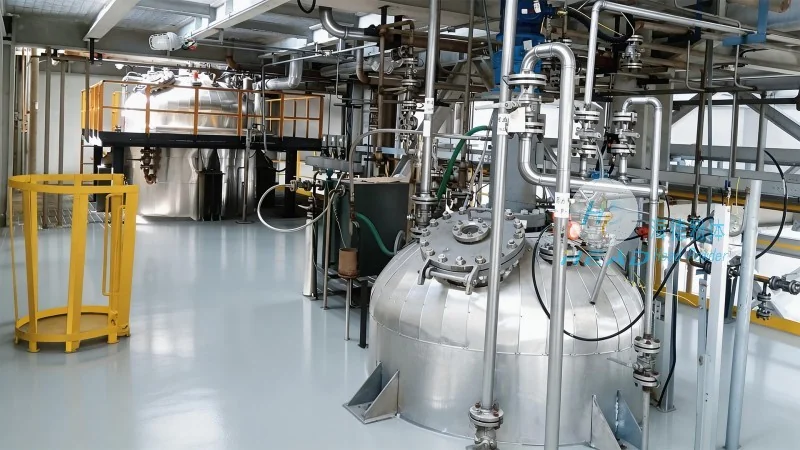
Key Features of Red Mud Pneumatic Conveying Systems
Several key features make red mud pneumatic conveying systems an attractive option for industrial applications. First, they provide a continuous and reliable flow of material, ensuring consistent production rates. Second, the system is enclosed, which reduces dust emissions and improves workplace safety. Third, the equipment is compact and can be installed in various locations, making it suitable for both new and existing facilities. Additionally, the system is energy-efficient compared to traditional methods, as it minimizes the need for manual labor and reduces the carbon footprint associated with material transport.
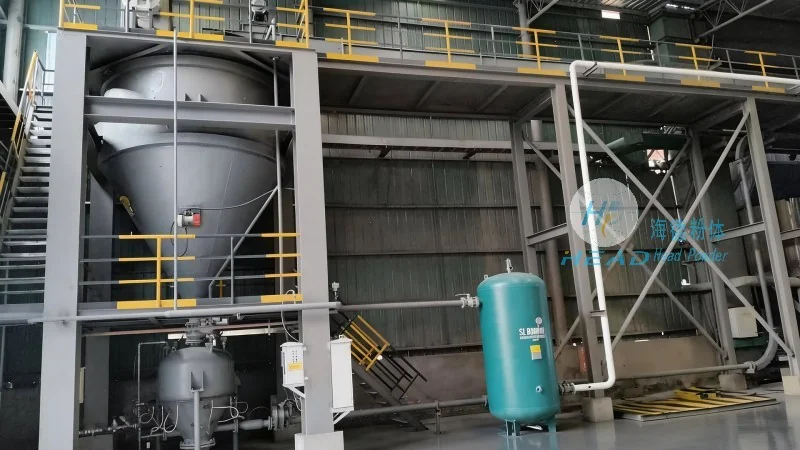
Applications and Benefits in Industrial Settings
Red mud pneumatic conveying systems are widely used in the aluminum industry for transporting bauxite residue from processing plants to disposal sites or for further processing. The systems are also applicable in other industries where fine powders need to be transported, such as mining and chemical processing. The benefits of using these systems include reduced operational costs, improved safety, and enhanced environmental performance. By eliminating the need for trucks or other heavy vehicles, the systems also reduce traffic congestion and noise pollution in industrial areas.
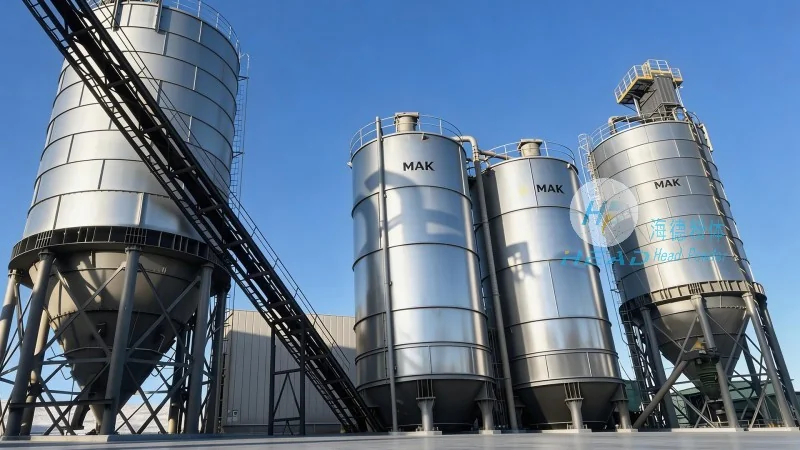
Conclusion and Company Overview
Red mud pneumatic conveying systems represent a significant advancement in material handling technology, offering an efficient and sustainable solution for managing bauxite residue. The working principle, which relies on air flow to transport the material, is both simple and effective. The key features, including continuous operation, enclosed design, and energy efficiency, make these systems a preferred choice for industrial applications. As the demand for sustainable practices in the aluminum industry grows, the adoption of red mud pneumatic conveying systems is likely to increase, contributing to a more environmentally friendly and cost-effective approach to waste management.
Shandong HeadPowder Engineering Co., Ltd., a leading provider of industrial engineering solutions, specializes in designing and manufacturing pneumatic conveying systems tailored to the needs of the aluminum and related industries. With a focus on innovation and quality, the company has developed advanced systems that meet the stringent requirements of modern industrial operations. HeadPowder's expertise in material handling technology ensures that their systems are reliable, efficient, and environmentally friendly, providing customers with a sustainable solution for red mud management. The company's headquarters is located in Shandong, China, where it continues to lead the way in developing cutting-edge solutions for industrial waste management.