

Working Principle and Features of Broad Bean Pneumatic Conveying Systems
For agricultural and food processing industries, efficient and reliable material handling is crucial, especially when dealing with bulk commodities like broad beans. Pneumatic conveying systems have emerged as a preferred solution due to their ability to transport granular materials such as broad beans with minimal product degradation and high operational efficiency. This article explores the working principle and key features of broad bean pneumatic conveying systems, highlighting how they enhance processing capabilities while maintaining product quality.
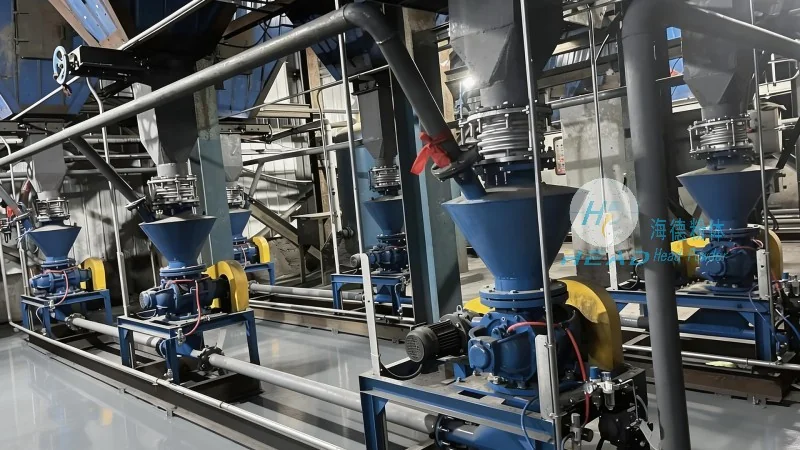
Company Introduction: Shandong HeadPowder Engineering Co., Ltd.
HeadPowder, a leading manufacturer in the field of bulk material handling solutions, specializes in designing and manufacturing advanced pneumatic conveying systems tailored to the needs of agricultural and food processing sectors. With a strong commitment to innovation and quality, the company has established itself as a trusted partner for businesses seeking efficient and reliable material transport solutions. HeadPowder’s headquarters is located in Shandong, China, where the company leverages local expertise and resources to develop cutting-edge technologies for the global market.
Working Principle of Broad Bean Pneumatic Conveying Systems
The core of a pneumatic conveying system lies in its ability to use air pressure to move bulk materials through a closed pipeline. In the case of broad bean pneumatic conveying, the system operates by creating a pressure differential between the inlet and outlet of the pipeline. There are two primary types of pneumatic conveying systems: positive pressure and negative pressure systems. Positive pressure systems generate air pressure at the material inlet, pushing the broad beans through the pipeline using compressed air. Negative pressure systems, on the other hand, create a vacuum at the material outlet, drawing the broad beans into the pipeline. Both systems are designed to handle the specific characteristics of broad beans, such as their size, density, and moisture content, ensuring smooth and consistent transport.
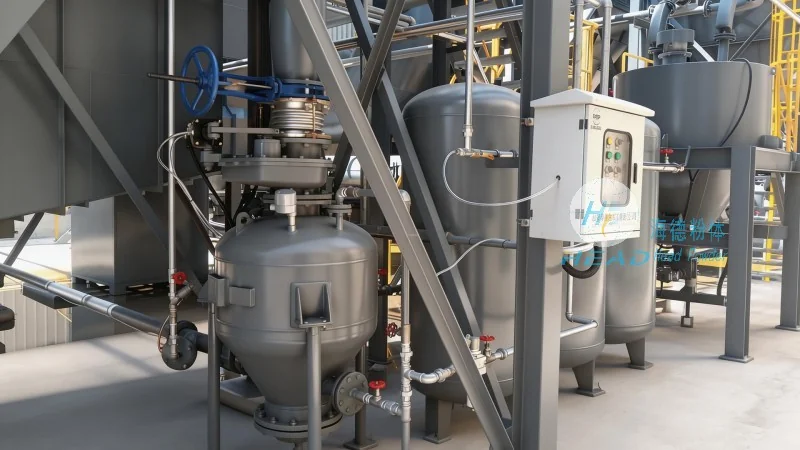
During operation, the broad beans are fed into the system at the inlet, where they are mixed with the conveying air. The air velocity is carefully controlled to prevent material segregation or blockages. The system then transports the broad beans through the pipeline to the discharge point, where the air and material are separated. The separated air is typically filtered and recycled back into the system, while the broad beans are collected in a storage or processing unit. This process is continuous and can be adjusted to handle varying volumes of broad beans, making it suitable for both small-scale and large-scale operations.
Key Features of Broad Bean Pneumatic Conveying Systems
Broad bean pneumatic conveying systems offer several advantages that make them ideal for agricultural and food processing applications. One of the most significant features is their ability to provide a clean and hygienic transport environment. Unlike mechanical conveyors, which may cause product contamination or damage, pneumatic systems keep the broad beans enclosed within a sealed pipeline, reducing the risk of exposure to contaminants or moisture. This is particularly important for broad beans, which are often used in food products where quality and safety are paramount.
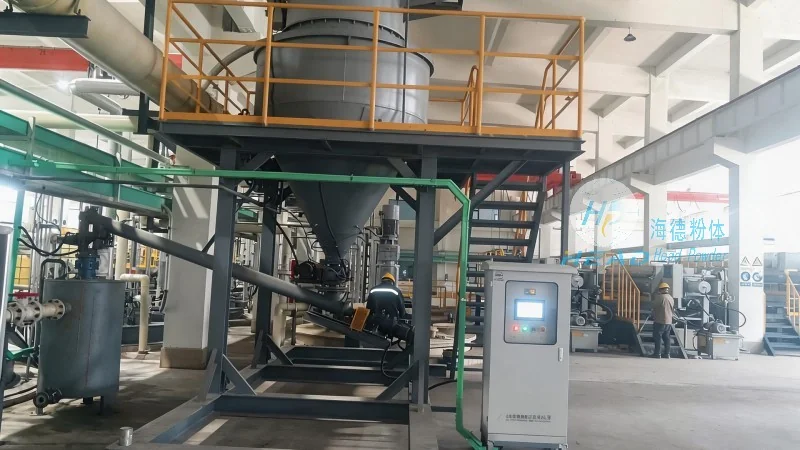
Another key feature is the high efficiency and speed of material transport. Pneumatic systems can move broad beans at high velocities, reducing the overall processing time compared to traditional methods like manual handling or mechanical conveyors. This efficiency is further enhanced by the ability to integrate the system with other processing equipment, such as cleaning or sorting machines, creating a seamless material flow from the field to the final product.
Additionally, pneumatic conveying systems offer flexibility in terms of layout and installation. They can be designed to fit into existing processing facilities or to be installed in new construction projects, with the ability to adjust the pipeline length and direction to accommodate different operational requirements. This flexibility allows businesses to optimize their processing lines and adapt to changing production needs without significant modifications.
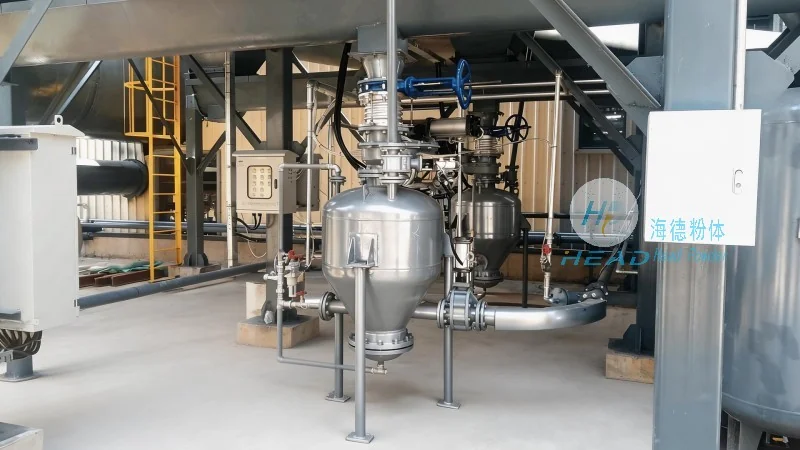
Furthermore, the systems are designed for low maintenance and long-term reliability. The use of durable materials and advanced components ensures that the system operates efficiently over extended periods, minimizing downtime and maintenance costs. HeadPowder’s pneumatic conveying systems are built with high-quality materials and rigorous testing to ensure they meet the demands of continuous operation in agricultural and food processing environments.
Conclusion
In conclusion, broad bean pneumatic conveying systems represent a sophisticated and efficient solution for the transport of bulk agricultural products. By leveraging the principles of air pressure and enclosed transport, these systems enhance productivity, maintain product quality, and provide a hygienic handling environment. HeadPowder, with its expertise in bulk material handling, continues to innovate and provide reliable pneumatic conveying solutions that meet the evolving needs of the agricultural and food processing industries. For businesses seeking to optimize their broad bean processing operations, pneumatic conveying systems offer a proven and effective approach to material handling.