

Working Principle and Characteristics of Air-Driven Transport of Anhydrous Aluminum Chloride
Anhydrous aluminum chloride is a critical chemical compound widely used in various industrial applications, including chemical synthesis, catalyst production, and as a drying agent. The efficient and safe transportation of this material is essential for industrial operations, and air-driven (pneumatic) transport systems have emerged as a preferred method due to their ability to handle bulk materials with minimal human intervention. This article explores the working principle and key characteristics of air-driven transport for anhydrous aluminum chloride, highlighting how such systems enhance operational efficiency and safety in industrial settings.
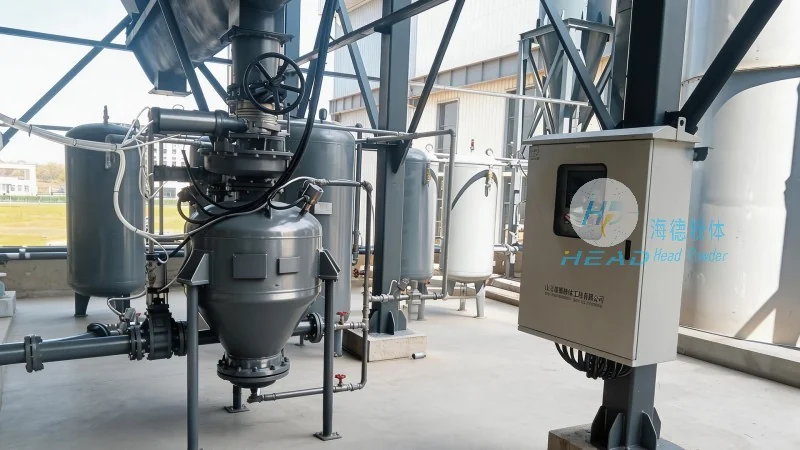
Working Principle of Air-Driven Transport for Anhydrous Aluminum Chloride
The air-driven transport system for anhydrous aluminum chloride operates on the principle of using compressed air to move material through a pipeline. The process begins with the material being fed into a hopper or feeder, where it is then introduced into a transport line. Compressed air, typically supplied by a blower or compressor, is introduced into the line, creating a flow that carries the material particles forward. The air velocity is carefully controlled to ensure that the material is transported without causing excessive wear on the system components or leading to material degradation. The system often includes features such as cyclones or separators to separate the material from the air at the receiving end, allowing for clean material discharge and air recycling. This mechanism ensures a continuous and reliable flow of anhydrous aluminum chloride, minimizing downtime and maximizing throughput.
Key Characteristics of Air-Driven Transport Systems for Anhydrous Aluminum Chloride
Several distinct characteristics define the effectiveness of air-driven transport for anhydrous aluminum chloride, making it a preferred choice in industrial applications. First, the system offers high flexibility in terms of layout and integration with existing facilities. It can be easily adapted to various plant configurations, allowing for the transport of material over long distances or between different processing units without the need for complex infrastructure. Second, air-driven transport provides excellent material handling capabilities, especially for fine or powdery substances like anhydrous aluminum chloride. The system can handle a wide range of particle sizes and densities, ensuring consistent and reliable transport. Third, the technology is inherently safe, as it eliminates the need for manual handling of bulk materials, reducing the risk of accidents and exposure to hazardous substances. Additionally, the system is energy-efficient, as it utilizes compressed air, which can be sourced from existing plant infrastructure, reducing operational costs. Finally, the air-driven transport system is highly scalable, allowing for adjustments in capacity based on production needs, making it suitable for both small-scale and large-scale industrial operations.
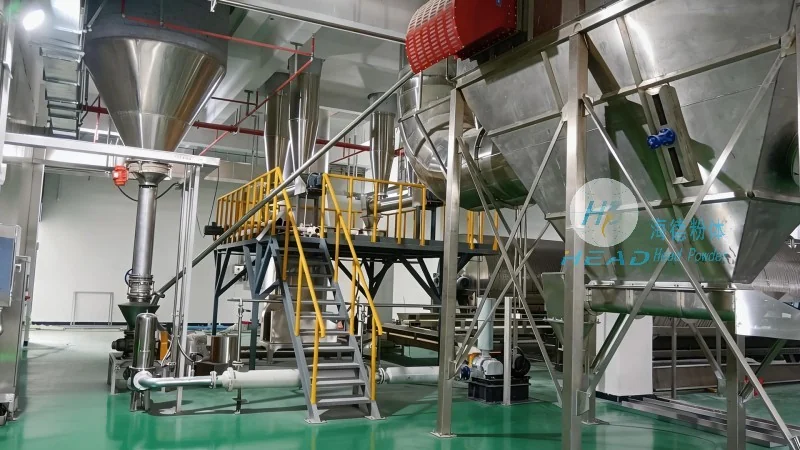
Advantages of Using Air-Driven Transport for Anhydrous Aluminum Chloride
Implementing air-driven transport for anhydrous aluminum chloride offers several significant advantages that contribute to improved operational performance and cost-effectiveness. One of the primary benefits is the reduction in labor costs, as the system automates the material transport process, minimizing the need for manual handling and reducing the risk of human error. This automation also leads to increased operational efficiency, as the system can operate continuously without the need for frequent manual intervention. Another advantage is the improved safety profile, as the system eliminates direct contact with the material, reducing the risk of exposure to dust or other hazards. Furthermore, the air-driven transport system is less prone to material degradation compared to other transport methods, as the material is not subjected to mechanical stress or friction during transport. This helps maintain the quality and purity of the anhydrous aluminum chloride, which is critical for its application in sensitive industrial processes. Finally, the system offers cost savings through reduced maintenance and lower energy consumption, as it utilizes existing plant infrastructure for air supply and can be easily maintained with standard industrial components.
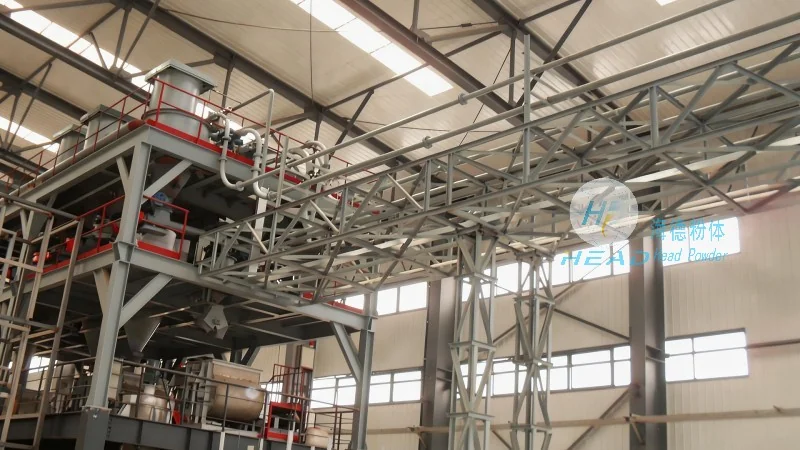
Application Scenarios and Operational Considerations
Air-driven transport systems for anhydrous aluminum chloride are widely used in various industrial settings, including chemical manufacturing plants, pharmaceutical production facilities, and petrochemical complexes. The system is particularly suitable for applications where the material needs to be transported over long distances or between multiple processing units, such as in large-scale chemical production. Operational considerations for the system include the selection of appropriate air velocities to ensure efficient transport without causing excessive wear on the pipeline or components. The system also requires proper maintenance to ensure consistent performance, including regular cleaning of the transport line and air filters to prevent material buildup and blockages. Additionally, the system should be designed to handle the specific properties of anhydrous aluminum chloride, such as its hygroscopic nature, by incorporating appropriate drying and moisture control measures to prevent material degradation during transport. Proper training of operators and maintenance personnel is also essential to ensure the safe and efficient operation of the air-driven transport system.
About Shandong HeadPowder Engineering Co., Ltd.
Shandong HeadPowder Engineering Co., Ltd., operating under the brand name HeadPowder, is a leading provider of specialized engineering solutions for bulk material handling and transport systems. With a focus on innovation and quality, the company specializes in designing and manufacturing air-driven transport systems tailored to the needs of various industrial sectors. HeadPowder's expertise lies in understanding the unique challenges of handling materials like anhydrous aluminum chloride and developing customized solutions that enhance operational efficiency and safety. The company's commitment to customer satisfaction and technical excellence has made it a trusted partner for industries requiring reliable and efficient material transport solutions. HeadPowder's facilities are located in Shandong, China, where the company leverages advanced technology and skilled personnel to deliver high-quality products and services to clients worldwide.