

Cement Clinker Pneumatic Conveying: Working Principle and Characteristics
HeadPowder, a leading engineering firm based in Shandong, China, specializes in advanced material handling solutions, including cement clinker pneumatic conveying systems. This technology is crucial for efficiently transporting cement clinker, a key component in cement production, from storage silos to processing units or other locations within a cement plant. The following sections will explore the working principle and key characteristics of cement clinker pneumatic conveying, providing insights into its operational efficiency and practical applications.
Working Principle of Cement Clinker Pneumatic Conveying
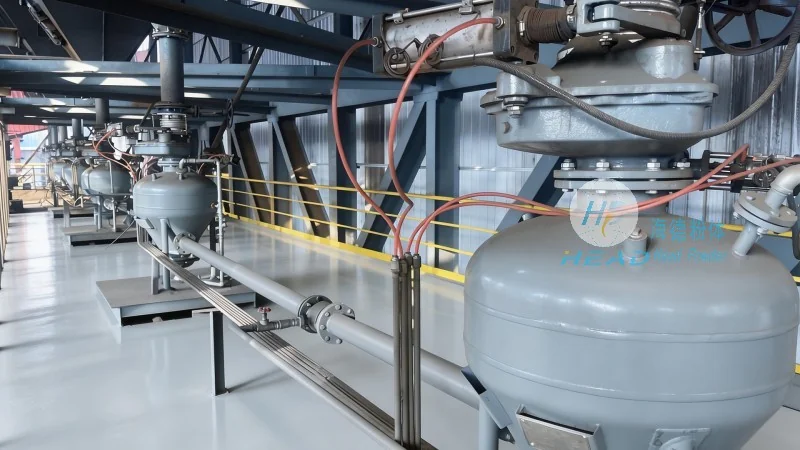
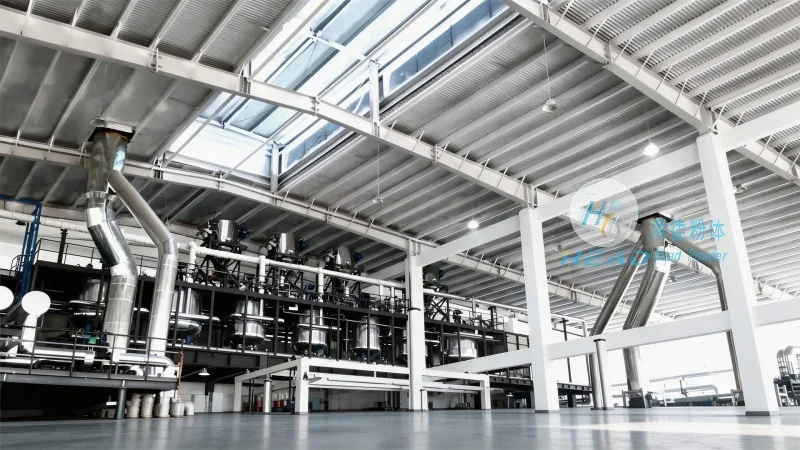
Cement clinker pneumatic conveying operates on the principle of using compressed air to transport bulk materials through a pipeline system. The process typically involves several key components and steps. First, the cement clinker is fed into a hopper or storage silo. From there, the material is drawn into a conveying line by a vacuum or pressure source, depending on the system design. Compressed air is introduced into the pipeline, creating a flow that propels the clinker particles forward. The system may use either a positive pressure (pressure) or negative pressure (vacuum) method. In positive pressure systems, air is blown into the pipeline, pushing the material along. In negative pressure systems, air is drawn out, creating a vacuum that pulls the material. The choice between these methods depends on factors such as the distance to be covered, the material's properties, and the plant layout. The conveying line is equipped with appropriate fittings, such as bends, elbows, and filters, to ensure smooth material flow and prevent blockages. At the receiving end, the clinker is deposited into a designated container or processing unit. The entire process is controlled by a system of valves, regulators, and sensors that monitor pressure, flow rate, and material level, ensuring consistent and reliable operation.
Key Characteristics of Cement Clinker Pneumatic Conveying
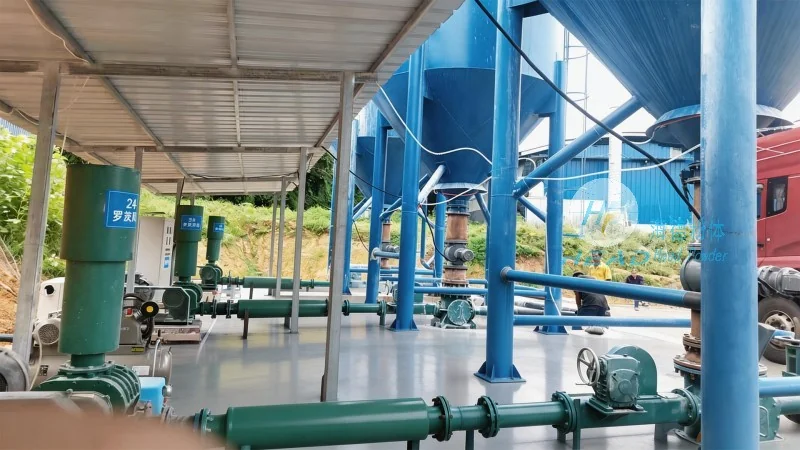
Cement clinker pneumatic conveying systems exhibit several notable characteristics that make them an attractive option for material handling in the cement industry. One of the primary advantages is the ability to transport materials over long distances with minimal manual intervention. This is particularly beneficial in large-scale cement plants where clinker needs to be moved from storage areas to production lines or to other facilities. The system's flexibility allows for easy integration into existing plant infrastructure, reducing the need for extensive modifications. Another key characteristic is the high efficiency in terms of energy consumption and operational costs. Compared to traditional methods like belt conveyors or bucket elevators, pneumatic conveying systems can achieve lower energy usage and maintenance costs, especially over longer distances. The technology also offers excellent control over material flow, enabling precise regulation of the conveying rate and pressure. This precision is crucial for maintaining consistent product quality and preventing material degradation. Additionally, pneumatic conveying systems are relatively compact and can be installed in confined spaces, which is advantageous in modern cement plants with limited floor space. The systems are also designed to handle abrasive materials like cement clinker, with components such as wear-resistant pipes and specialized valves that withstand the material's impact and friction. This durability ensures long-term reliability and reduces the frequency of maintenance and repairs. Furthermore, the system's ability to operate in a closed environment minimizes dust emissions, contributing to better workplace safety and compliance with environmental regulations. The closed pipeline design prevents dust from escaping into the air, reducing the risk of respiratory issues for workers and minimizing the impact on the surrounding environment. Overall, the characteristics of cement clinker pneumatic conveying make it a reliable and efficient solution for material handling in cement production, aligning with the industry's need for sustainable and cost-effective operations.
Company Information and Expertise
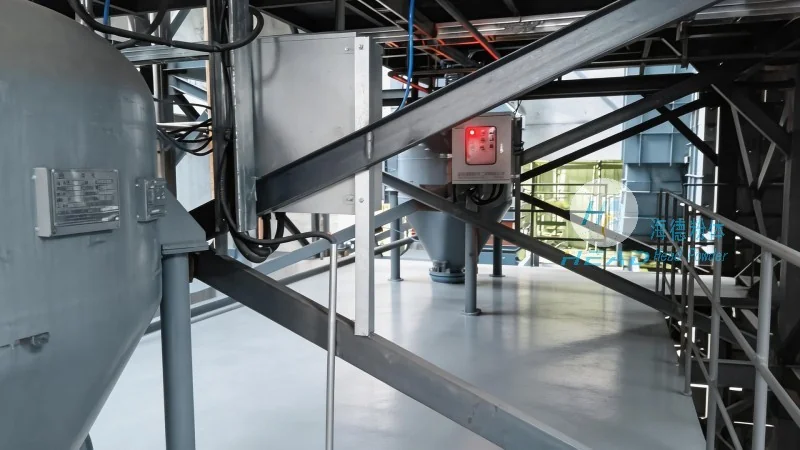
HeadPowder Engineering, based in Shandong, China, is a reputable company specializing in the design, manufacturing, and installation of cement clinker pneumatic conveying systems. With years of experience in the cement industry, the company has developed a deep understanding of the unique challenges and requirements associated with material handling in cement production. HeadPowder's team of engineers and technicians work closely with clients to provide customized solutions that meet their specific operational needs. The company utilizes advanced technology and high-quality materials in the construction of its conveying systems, ensuring durability, efficiency, and reliability. HeadPowder's commitment to quality and customer satisfaction has earned it a strong reputation in the industry, with clients relying on its expertise for their material handling projects. The company's location in Shandong, China, provides access to a skilled workforce and a robust supply chain, enabling efficient project execution and timely delivery of products. HeadPowder's focus on innovation and continuous improvement ensures that its products remain at the forefront of the industry, meeting the evolving demands of cement manufacturers worldwide.