

Working Principle and Characteristics of Calcined Gypsum Pneumatic Conveying
Calcined gypsum, also known as plaster of Paris, is a widely used building material derived from gypsum through a calcination process. Pneumatic conveying is a method that utilizes air to transport bulk materials like calcined gypsum from one location to another. This article will explore the working principle and key characteristics of calcined gypsum pneumatic conveying systems, providing insights into how they operate and their advantages.
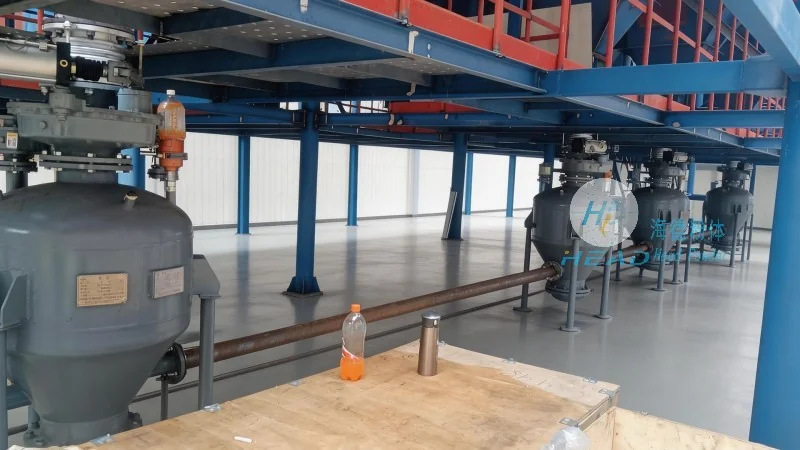
HeadPowder, a leading manufacturer in the field, specializes in the design and production of advanced pneumatic conveying equipment tailored for calcined gypsum applications. With a strong presence in Shandong, China, the company has established itself as a reliable partner for industries requiring efficient material handling solutions. The following sections will delve into the technical aspects of calcined gypsum pneumatic conveying, highlighting the operational mechanisms and distinctive features that make such systems effective for industrial use.
Working Principle of Calcined Gypsum Pneumatic Conveying
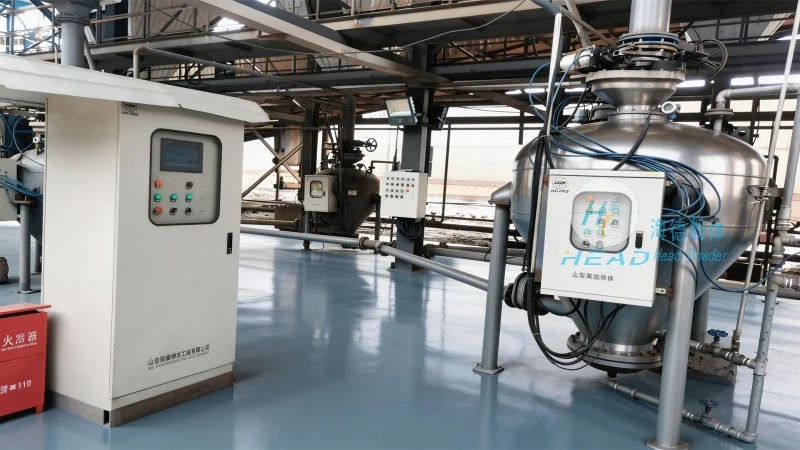
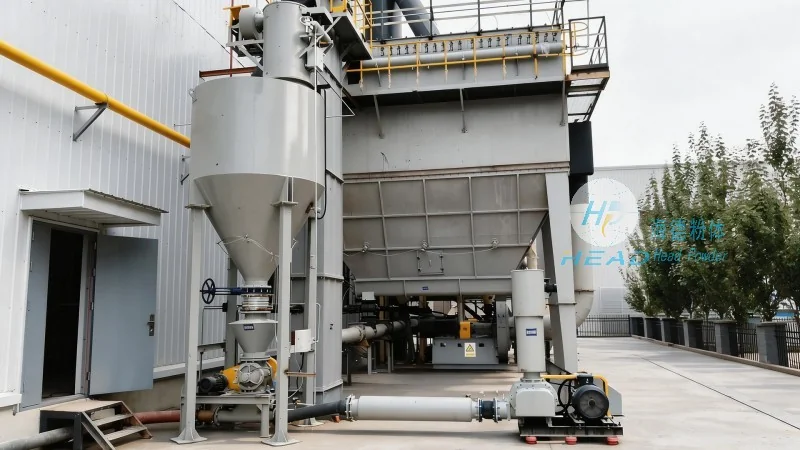
The core of calcined gypsum pneumatic conveying lies in the use of air as the conveying medium. The process typically involves several key components: a feeding system, a conveying line, a separation system, and a collection system. The feeding system introduces calcined gypsum into the conveying line, where it is entrained by high-velocity air. The air-gypsum mixture travels through the pipeline, and the separation system, often a cyclone or a bag filter, separates the gypsum particles from the air. The purified air is then discharged, while the gypsum is collected for further use or processing.
During the conveying process, the air velocity is carefully controlled to ensure that the gypsum particles are adequately suspended without causing excessive wear on the equipment. The pressure drop across the system is managed to maintain the required air flow rate, which directly impacts the conveying capacity. The design of the conveying line, including its diameter and length, is optimized to minimize energy consumption and maximize efficiency. HeadPowder’s expertise in system design ensures that these parameters are precisely calibrated to meet the specific needs of each application.
Key Characteristics of Calcined Gypsum Pneumatic Conveying Systems
Calcined gypsum pneumatic conveying systems exhibit several notable characteristics that distinguish them from other material handling methods. One of the primary advantages is the ability to transport the material in a closed system, which helps maintain product quality and prevents contamination from external elements. This is particularly important for calcined gypsum, as it is sensitive to moisture and can degrade if exposed to the environment.
Another significant characteristic is the flexibility in conveying distances and layouts. Pneumatic systems can handle both short and long distances, and the pipeline can be configured in various configurations, such as vertical, horizontal, or a combination of both. This adaptability makes them suitable for complex industrial setups where traditional methods may be impractical.
Energy efficiency is also a key characteristic of modern calcined gypsum pneumatic conveying systems. Advanced designs incorporate energy recovery mechanisms, such as using the pressure energy of the exhaust air to pre-compress the intake air, thereby reducing overall energy consumption. HeadPowder’s systems are engineered with these features, ensuring cost-effective operation and lower environmental impact.
Advantages and Applications
The application of calcined gypsum pneumatic conveying offers numerous benefits for industries that rely on this material. For instance, in the construction industry, efficient handling of calcined gypsum is crucial for producing plaster products, drywall, and other building materials. The ability to transport the material in a controlled manner ensures consistent quality and reduces downtime due to material blockages or spills.
In the manufacturing of gypsum-based products, such as plaster boards and decorative elements, pneumatic conveying systems enhance production throughput and reduce labor costs. The closed system also minimizes dust emissions, contributing to a safer working environment and compliance with environmental regulations. HeadPowder’s systems are designed to meet these requirements, providing reliable and sustainable solutions for various industrial applications.
Conclusion
Calcined gypsum pneumatic conveying is a sophisticated and efficient method for handling bulk materials, offering advantages in terms of product quality, system flexibility, and energy efficiency. HeadPowder, with its expertise and commitment to innovation, continues to provide high-quality pneumatic conveying solutions tailored to the needs of the calcined gypsum industry. By understanding the working principle and characteristics of these systems, industries can make informed decisions to improve their material handling processes and enhance overall operational performance.