

Working Principle and Characteristics of Stone Powder Pneumatic Conveying
Stone powder pneumatic conveying is a technology used for transporting dry powder materials like stone powder through a pipeline using air as the conveying medium. This method is widely adopted in various industrial sectors due to its efficiency and flexibility. The following sections will explore the working principle and key characteristics of this technology, with a focus on the expertise of Shandong HeadPowder Engineering Co., Ltd., a leading provider in the field.
Company Profile
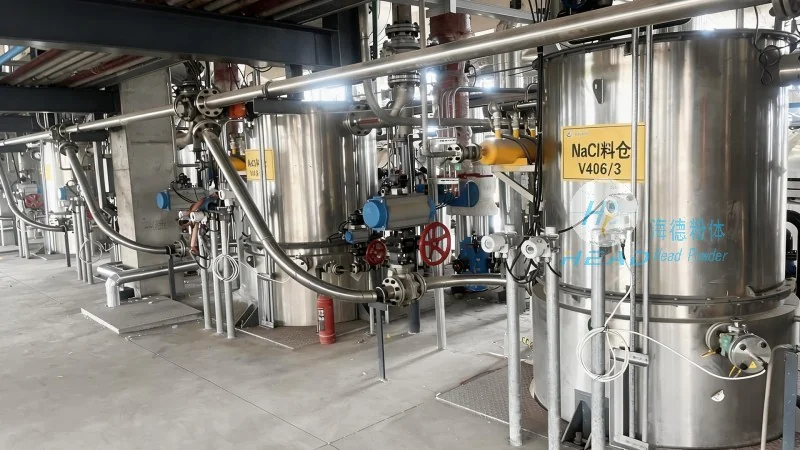
Shandong HeadPowder Engineering Co., Ltd., commonly known as headpowder, is a professional manufacturer and supplier specializing in pneumatic conveying systems. With a base in Shandong, China, the company has established itself as a trusted partner for clients seeking reliable solutions for powder handling. HeadPowder combines advanced engineering with practical application experience to deliver customized pneumatic conveying systems tailored to specific industry needs.
Working Principle of Stone Powder Pneumatic Conveying
The core of stone powder pneumatic conveying lies in the use of air to transport solid particles through a pipeline. The process typically involves a few key steps. First, the stone powder is fed into a hopper or feeder, where it is then introduced into a pipeline. Simultaneously, a fan or blower generates a flow of air within the pipeline. As the air flows, it entrains the stone powder particles, forming a mixture known as a "conveying stream." This stream moves through the pipeline under pressure or vacuum, depending on the system design. The air velocity is carefully controlled to ensure that the powder particles are suspended and transported without clogging or degradation. The system may include components such as cyclones, filters, and silos to separate the powder from the air at the discharge end, completing the conveying cycle.
Key Characteristics of Stone Powder Pneumatic Conveying Systems
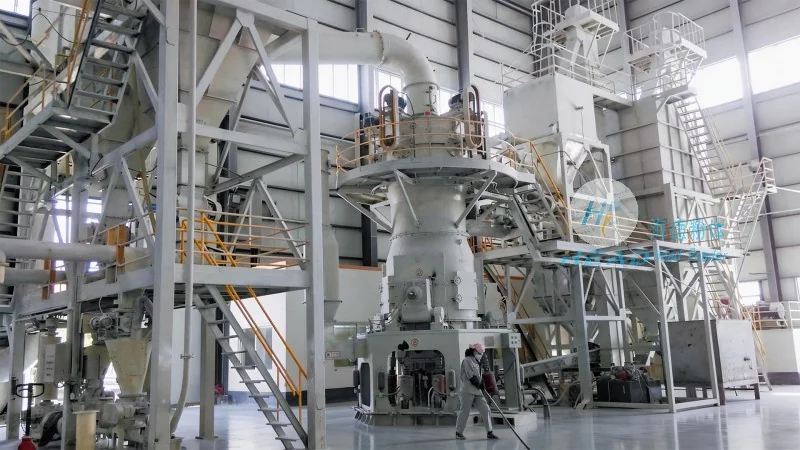
Stone powder pneumatic conveying systems exhibit several notable characteristics that make them advantageous for industrial applications. One of the primary advantages is the ability to transport materials over long distances with minimal equipment. Unlike traditional methods like belt conveyors or bucket elevators, pneumatic systems can handle vertical and horizontal transport simultaneously, offering greater flexibility in plant layout. The systems are also relatively compact, requiring less floor space compared to other bulk material handling solutions. Another significant characteristic is the low maintenance requirement. With fewer moving parts and no mechanical contact between the powder and the conveying components, the risk of wear and tear is reduced, leading to lower operational costs and longer system lifespan. Additionally, pneumatic conveying is suitable for handling a wide range of powder properties, including different particle sizes, densities, and moisture contents. This versatility allows the technology to be applied across various industries, from mining and construction to food processing and pharmaceuticals. The systems can be designed to operate under pressure or vacuum, providing flexibility in handling different material characteristics and process requirements. Furthermore, the enclosed nature of the system helps in maintaining material integrity and preventing contamination, which is crucial for applications where product purity is essential. The use of air as the conveying medium also enables the system to handle materials that are difficult to transport using mechanical methods, such as fine powders that are prone to caking or dusting. Overall, the characteristics of stone powder pneumatic conveying make it a preferred choice for efficient and reliable bulk material handling in modern industrial settings.
Applications and Benefits in Industrial Settings
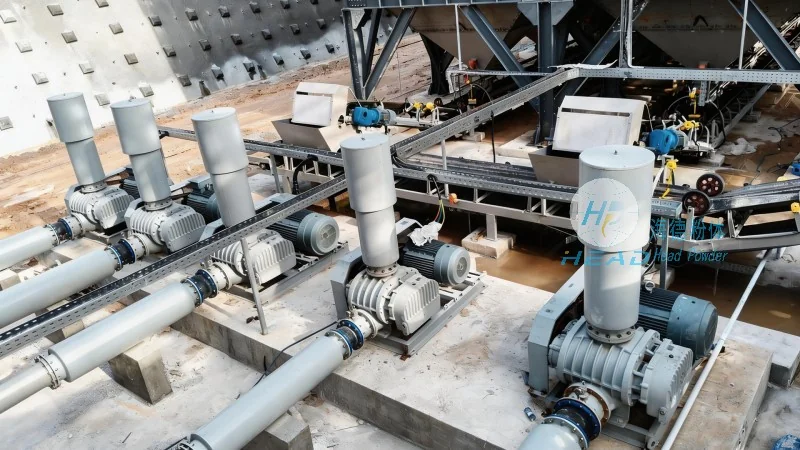
The application of stone powder pneumatic conveying spans multiple industries, where it addresses specific material handling challenges. In the construction industry, for example, it is used to transport cement, sand, and other fine powders to different parts of a building site. The technology ensures that these materials are delivered efficiently without the need for manual handling or heavy machinery. In the mining sector, pneumatic conveying systems are employed to transport ore powders from processing plants to storage facilities or for further processing. The ability to handle large volumes of material over long distances makes it ideal for mining operations. The food and pharmaceutical industries also benefit from this technology, as it allows for the safe and hygienic transport of powders without cross-contamination. The enclosed system and controlled air flow help maintain product quality and compliance with industry standards. The benefits of stone powder pneumatic conveying extend beyond efficiency and flexibility. The technology reduces labor costs by automating the material handling process, minimizing the need for manual labor in transporting bulk materials. It also enhances safety in the workplace by eliminating the need for workers to handle heavy or dusty materials manually. The reduced dust generation compared to other methods further improves working conditions and environmental compliance. Additionally, the energy efficiency of pneumatic conveying systems, especially when designed with energy-saving fans and optimized air flow, contributes to lower operational costs and a smaller environmental footprint. Overall, the combination of these benefits makes stone powder pneumatic conveying a valuable asset for industries seeking to optimize their material handling processes.
Conclusion
Stone powder pneumatic conveying is a sophisticated and efficient method for transporting dry powder materials, offering numerous advantages over traditional bulk material handling techniques. The working principle, which relies on air to entrain and transport powder particles, combined with the key characteristics such as flexibility, low maintenance, and versatility, makes it a preferred solution for various industrial applications. Companies like Shandong HeadPowder Engineering Co., Ltd. play a crucial role in developing and implementing these systems, ensuring that clients receive tailored solutions that meet their specific operational needs. As industries continue to seek more efficient and reliable material handling methods, the importance of pneumatic conveying technology is likely to grow, further solidifying its position in the market. The technology's ability to handle diverse materials and operate under different conditions highlights its adaptability and long-term value for industrial operations.