

Working Principle and Characteristics of Coal Ash Pneumatic Conveying
Coal ash, a byproduct of coal combustion in thermal power plants, requires efficient and reliable handling systems to ensure safe and effective transport. Pneumatic conveying technology offers a robust solution for coal ash transportation, leveraging air pressure to move materials through pipelines. This article explores the working principle and key characteristics of coal ash pneumatic conveying systems, highlighting their advantages and operational considerations.
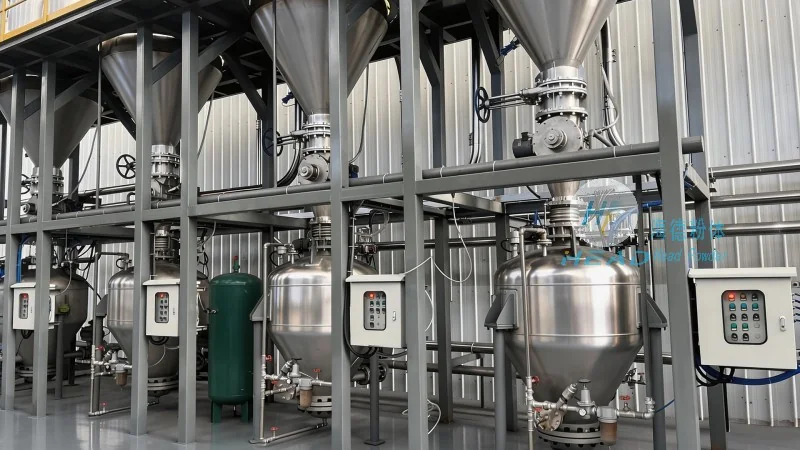
Working Principle of Coal Ash Pneumatic Conveying
The core mechanism of coal ash pneumatic conveying involves the use of compressed air to transport particulate materials, such as coal ash, through a closed pipeline system. The process typically operates under either positive or negative pressure, depending on the specific application and system design. In positive pressure systems, air is forced through the pipeline, carrying the coal ash particles forward. Conversely, negative pressure systems draw air and material through the pipeline using a vacuum source. The selection of pressure type depends on factors like material properties, distance to be conveyed, and system complexity.
During operation, coal ash is fed into the conveying line via a hopper or feeder. The material is then entrained by the moving air stream, which maintains the particles in suspension. As the mixture travels through the pipeline, it passes through various components, including bends, valves, and filters, which are designed to handle the abrasive nature of coal ash. The conveying velocity is critical; it must be sufficient to keep the particles suspended but not excessive, as high velocities can lead to increased wear on equipment and higher energy consumption.
The system concludes with a receiver or silo where the coal ash is deposited. The air, now separated from the material, is typically filtered and recirculated to maintain efficiency and reduce dust emissions. This closed-loop system minimizes environmental impact and ensures compliance with air quality regulations.
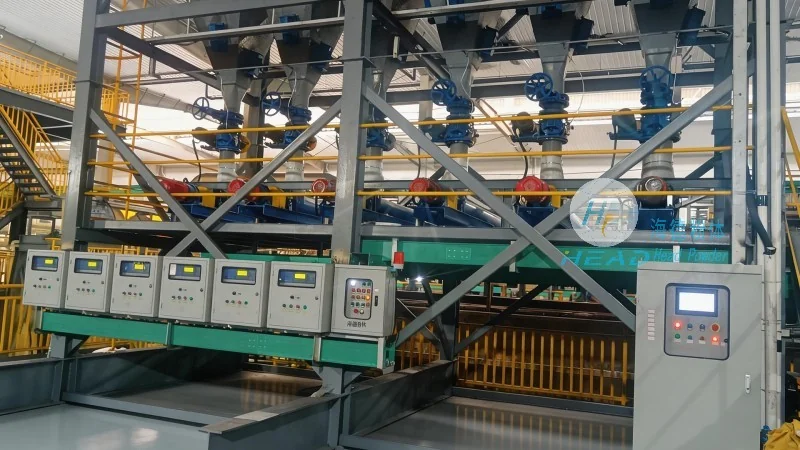
Key Characteristics of Coal Ash Pneumatic Conveying Systems
Coal ash pneumatic conveying systems exhibit several distinct characteristics that make them suitable for industrial applications. One of the primary advantages is their ability to handle abrasive materials like coal ash without significant wear on components. The enclosed pipeline design prevents dust dispersion, enhancing safety and environmental protection. Additionally, these systems offer high transport capacities, allowing for the movement of large volumes of coal ash over considerable distances, often ranging from a few hundred meters to several kilometers.
Another notable characteristic is the flexibility of the system. Pneumatic conveying can accommodate varying ash compositions and particle sizes, making it adaptable to different power plant operations. The modular design allows for easy expansion or modification as plant requirements change. Furthermore, the system's ability to operate continuously with minimal downtime contributes to overall operational efficiency.
Energy efficiency is a critical consideration in coal ash handling. Modern pneumatic conveying systems are designed to optimize air usage, reducing energy consumption while maintaining effective material transport. Advanced control systems monitor pressure, flow, and particle concentration, ensuring optimal performance and preventing system failures. The integration of sensors and automation enhances reliability and reduces maintenance requirements.
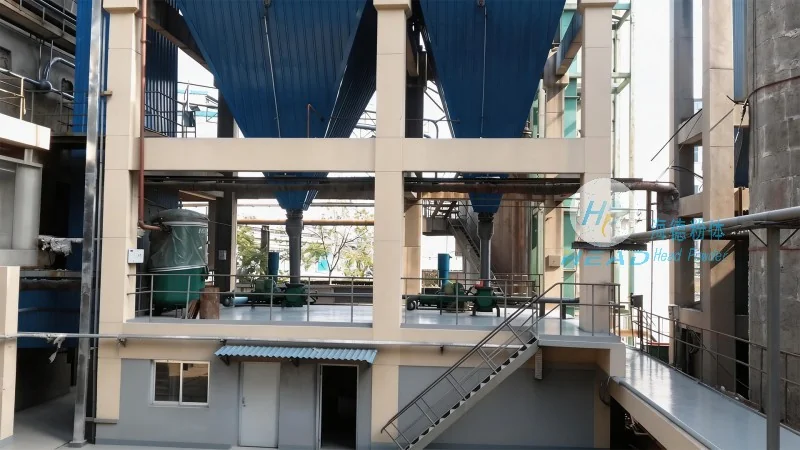
Operational Considerations and Maintenance
Effective operation of coal ash pneumatic conveying systems requires careful consideration of several factors. Material properties, such as particle size distribution, moisture content, and abrasiveness, directly impact system performance. Proper sizing of the feeder and pipeline diameter is essential to prevent blockages and ensure smooth flow. Regular maintenance is crucial to maintain system efficiency and longevity. This includes inspecting and replacing wear parts, cleaning filters, and checking for leaks in the air system.
Environmental compliance is another key aspect. The system must be designed to minimize dust emissions and meet local air quality standards. This often involves incorporating advanced filtration systems and ensuring proper ventilation. The use of recycled air in the system helps reduce energy consumption and environmental impact. Additionally, safety measures, such as explosion-proof designs and emergency shutdown procedures, are essential to protect personnel and equipment.
Conclusion
Coal ash pneumatic conveying is a highly effective and reliable method for transporting coal ash from power plants to disposal or utilization sites. The technology's ability to handle abrasive materials, maintain environmental safety, and operate efficiently makes it a preferred choice in the industry. As power plants continue to focus on sustainable operations, the adoption of advanced pneumatic conveying systems will remain critical for managing coal ash responsibly. Companies like Shandong HeadPowder Engineering Co., Ltd., based in China, specialize in designing and manufacturing such systems, providing tailored solutions to meet the unique needs of power generation facilities.