

Working Principle and Characteristics of Pneumatic Conveying for Fine Chemicals
HeadPowder, a leading provider in the field, specializes in pneumatic conveying solutions tailored for the fine chemical industry. This article delves into the fundamental working principle and key characteristics of pneumatic conveying systems, offering insights into their application and benefits.
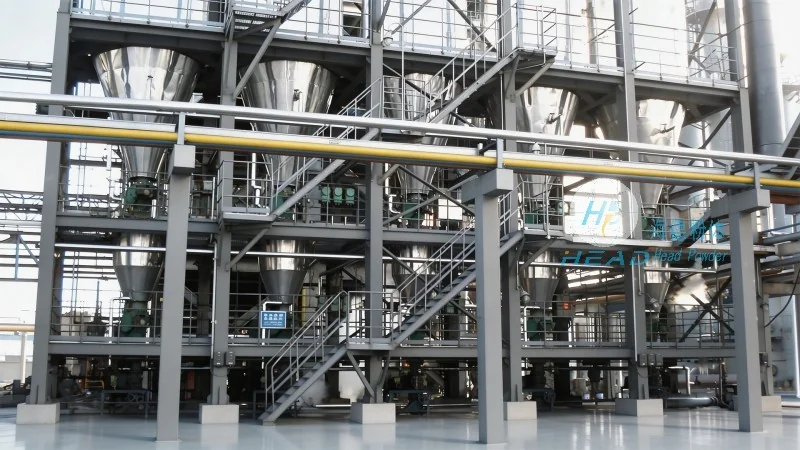
Understanding Pneumatic Conveying Systems
Pneumatic conveying is a method of transporting bulk materials through a pipeline using a gas stream, typically air or other gases. In the context of fine chemicals, this technology is crucial for handling delicate, abrasive, or hazardous powders with precision and efficiency. The system operates by creating a pressure differential or using vacuum to move materials from a source to a destination, ensuring minimal product degradation and contamination.
The Working Principle of Pneumatic Conveying
The core mechanism of pneumatic conveying involves several key steps. First, the material is introduced into the conveying line, often through a hopper or feeder. Then, a gas stream, usually compressed air, is introduced to create a flow that propels the material. The system can operate under either positive pressure (where the line is pressurized above atmospheric pressure) or negative pressure (where the line is evacuated). The choice of pressure type depends on the material properties, distance, and system design. For fine chemicals, positive pressure systems are commonly preferred due to their ability to handle sensitive materials without exposing them to external contaminants.
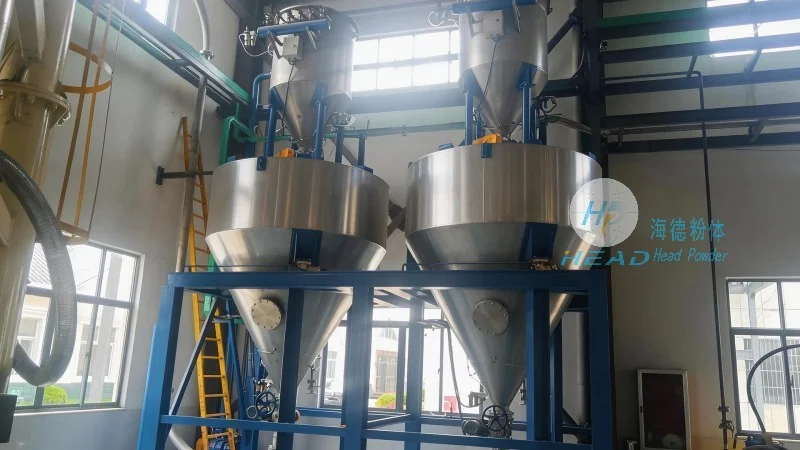
Key Characteristics of Pneumatic Conveying for Fine Chemicals
Several distinct characteristics define pneumatic conveying systems used in the fine chemical sector. Firstly, hygienic and dust-free operation is paramount. The enclosed pipeline design prevents product contamination and environmental pollution, which is critical for pharmaceutical and specialty chemical applications. Secondly, flexibility in system design allows for customization based on the specific needs of the fine chemical process. This includes varying pipeline lengths, multiple transfer points, and integration with other processing equipment. Thirdly, low product degradation is achieved through gentle handling, as the material is transported in a fluidized state rather than being subjected to mechanical stress. This is vital for preserving the quality and integrity of sensitive chemicals. Additionally, energy efficiency is a notable feature, as modern systems can optimize air usage and reduce operational costs while maintaining performance. The system also offers compact footprint, making it suitable for facilities with limited space, and easy maintenance, with accessible components and standardized parts that simplify repairs and upgrades.

Applications and Benefits in the Fine Chemical Industry
Pneumatic conveying systems are widely utilized in the fine chemical industry for various processes, including raw material transfer, intermediate product handling, and final product packaging. The benefits extend beyond operational efficiency to include enhanced safety, as the enclosed system minimizes exposure to hazardous powders and reduces the risk of dust explosions. Furthermore, the technology supports continuous production, enabling seamless integration into automated manufacturing lines and improving overall productivity. The ability to handle a wide range of particle sizes and densities makes it adaptable to diverse fine chemical applications, from pharmaceutical powders to specialty chemicals.
Conclusion
HeadPowder Engineering Co., Ltd., based in Shandong, China, leverages advanced pneumatic conveying technology to deliver reliable and efficient solutions for the fine chemical industry. By understanding the working principle and characteristics of these systems, manufacturers can optimize their processes, enhance product quality, and ensure compliance with industry standards. The integration of modern design and robust engineering in pneumatic conveying systems continues to be a cornerstone of efficient material handling in the fine chemical sector, supporting the growth and innovation of the industry.