

What is a Lithium Fluoride Material Pneumatic Conveying Machine? What Are Its Design Principles?
When it comes to handling lithium fluoride materials, the choice of equipment is crucial for ensuring efficiency, safety, and reliability in industrial processes. A specialized piece of machinery that addresses these needs is the lithium fluoride material pneumatic conveying machine. This equipment is designed to transport lithium fluoride powder or granules through a pneumatic system, offering a solution that minimizes contamination and maintains material integrity. In this article, we will explore what this machine is and delve into its core design principles, highlighting the technology behind its operation. The information provided is based on the expertise of Shandong HeadPowder Engineering Co., Ltd., a leading manufacturer of pneumatic conveying systems based in China.
Understanding the Lithium Fluoride Material Pneumatic Conveying Machine
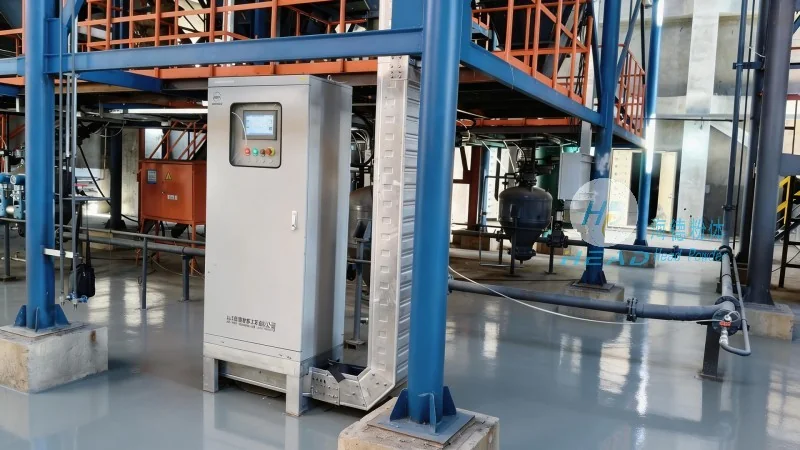
The lithium fluoride material pneumatic conveying machine, often referred to as a pneumatic conveyor, is a system used to move lithium fluoride powders or fine particles from one location to another within a processing facility. Unlike traditional mechanical conveyors, which rely on belts, buckets, or screws, this machine utilizes compressed air or other gases to transport the material. The process involves creating a flow of air that carries the lithium fluoride particles through a pipeline, allowing for a clean and efficient transfer. This method is particularly advantageous for lithium fluoride, which is a hygroscopic and reactive material, as it prevents exposure to external elements and reduces the risk of contamination.
Key Components and Working Principle
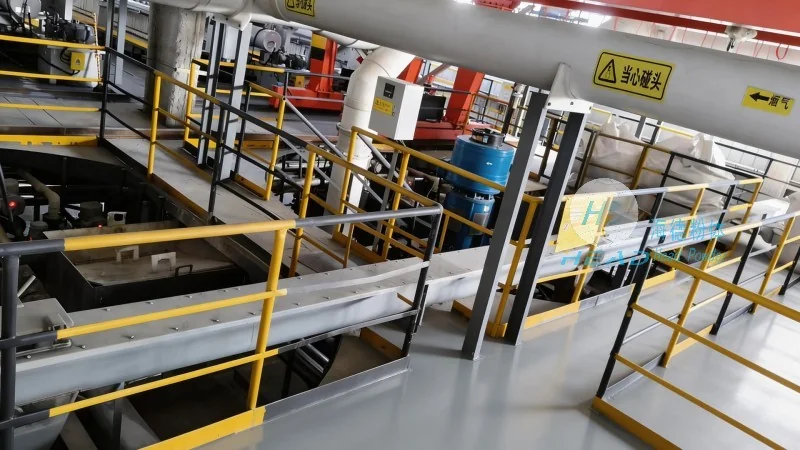
At the heart of the lithium fluoride material pneumatic conveying machine are several key components that work in tandem to achieve effective material transport. The primary components include a hopper for material storage, a feeder to control the flow of lithium fluoride into the system, a conveying line (typically made of stainless steel or other corrosion-resistant materials), and a receiver where the material is deposited. The machine operates by first loading the lithium fluoride into the hopper. The feeder then regulates the amount of material released into the conveying line. Compressed air is introduced at one end of the line, creating a pressure differential that propels the lithium fluoride particles forward. As the material travels through the pipeline, it is suspended and carried by the air stream, ensuring a smooth and continuous flow. The receiver at the end of the line collects the material, completing the transport process.
Design Principles for Efficient Lithium Fluoride Transport
The design of a lithium fluoride material pneumatic conveying machine is guided by several critical principles to ensure optimal performance and safety. First, the system must be constructed from materials that are resistant to corrosion and chemical reactions, as lithium fluoride is highly reactive and can degrade certain metals. Stainless steel is commonly used for the conveying line and other components due to its durability and resistance to lithium fluoride exposure. Second, the machine is designed to minimize pressure drops and maintain consistent air flow to prevent material buildup or clogging. This is achieved through the use of appropriately sized pipelines and efficient air distribution systems. Third, the design incorporates safety features to handle the reactive nature of lithium fluoride, such as explosion-proof components and proper ventilation to prevent the accumulation of dust or fumes. Additionally, the machine is engineered to handle variations in material density and flow rates, ensuring adaptability to different production needs.
Advantages of Using a Lithium Fluoride Material Pneumatic Conveying Machine
Implementing a lithium fluoride material pneumatic conveying machine offers several advantages over traditional conveyor systems. One of the most significant benefits is the ability to maintain the purity and integrity of the lithium fluoride material. By using a closed system with minimal exposure to the environment, the risk of contamination from moisture, dust, or other substances is significantly reduced. This is crucial for applications where lithium fluoride is used in high-purity processes, such as in the production of lithium-based chemicals or batteries. Another advantage is the flexibility of the system, which allows for easy integration into existing production lines and the ability to transport materials over long distances without the need for multiple transfer points. The machine also reduces labor costs by automating the material handling process, minimizing the need for manual handling and associated risks. Furthermore, the pneumatic conveying system is relatively low maintenance compared to mechanical conveyors, as there are fewer moving parts that can wear out or require regular replacement.
Applications and Industries
Lithium fluoride material pneumatic conveying machines are widely used in various industries that handle lithium fluoride and other fine powders. The primary applications include the chemical industry, where lithium fluoride is used as a flux in metal smelting and as a raw material in the production of lithium compounds. In the battery industry, the machine is essential for transporting lithium fluoride used in the manufacturing of lithium-ion batteries, ensuring that the material is handled safely and efficiently. Other industries that benefit from this technology include pharmaceuticals, where high-purity lithium fluoride is used in drug formulations, and aerospace, where lithium fluoride is utilized in specialized coatings and materials. The versatility of the pneumatic conveying system makes it suitable for a wide range of applications, from small-scale laboratory operations to large-scale industrial production.
Manufacturers and Industry Standards
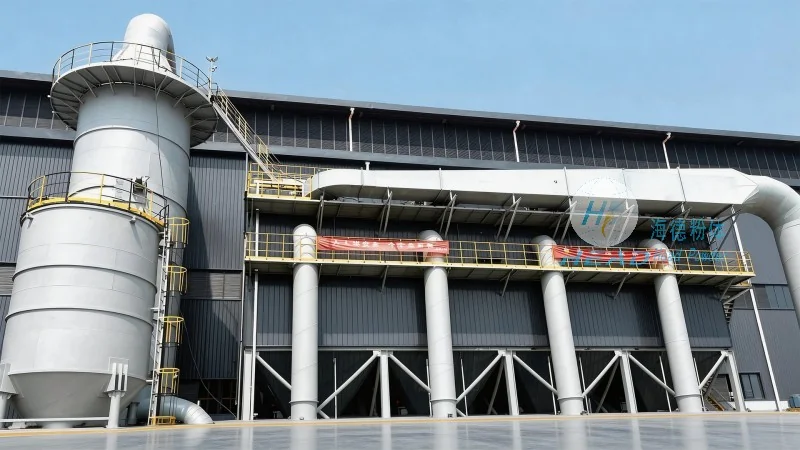
Shandong HeadPowder Engineering Co., Ltd., a prominent company in the field, specializes in the design and manufacturing of lithium fluoride material pneumatic conveying machines. With a strong presence in China, the company leverages advanced engineering and materials science to develop equipment that meets the stringent requirements of industries handling lithium fluoride. The company’s facilities are located in Shandong, China, where they employ skilled engineers and technicians to ensure the quality and reliability of their products. By adhering to industry standards and incorporating feedback from clients, Shandong HeadPowder Engineering Co., Ltd. continues to innovate and improve their pneumatic conveying systems, providing solutions that enhance operational efficiency and safety for their customers.
Conclusion
In conclusion, the lithium fluoride material pneumatic conveying machine is a sophisticated piece of equipment designed to handle lithium fluoride efficiently and safely. Its design principles focus on maintaining material purity, ensuring reliable transport, and incorporating safety features to manage the reactive nature of lithium fluoride. By utilizing compressed air to move the material through a closed system, this machine offers advantages over traditional mechanical conveyors, including reduced contamination risk, flexibility, and lower maintenance requirements. For industries that rely on lithium fluoride in their production processes, investing in a high-quality pneumatic conveying machine is a strategic decision that enhances operational efficiency and product quality. As technology continues to advance, these machines will likely evolve to incorporate even more advanced features, further improving their performance and adaptability in the handling of lithium fluoride and other fine materials.