

What is a Coffee Powder Material Pneumatic Conveying Machine? And What Are Its Design Principles?
For businesses involved in the coffee industry, efficient and reliable material handling is crucial. The coffee powder material pneumatic conveying machine is a specialized equipment designed to transport coffee powder and other similar fine powders with precision and minimal loss. This article explores the functionality and design principles of such machines, highlighting their importance in modern coffee processing operations, as provided by Shandong HeadPowder Engineering Co., Ltd., a leading manufacturer based in Shandong, China.
Understanding Pneumatic Conveying Technology
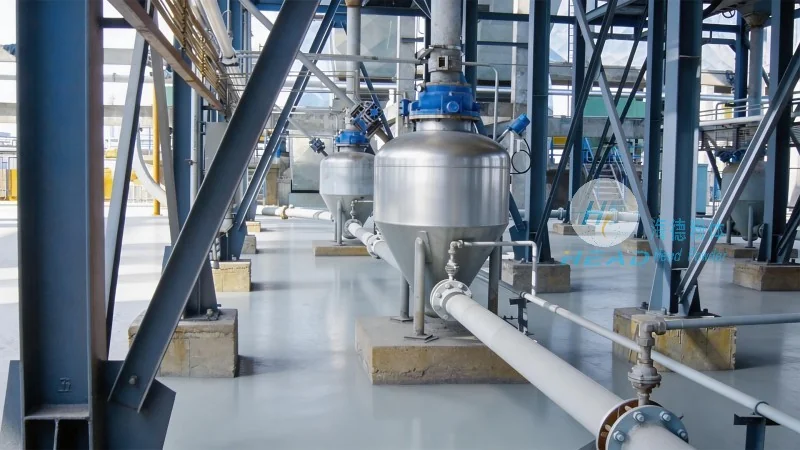
Pneumatic conveying is a method of transporting bulk materials through a pipeline using air or other gases. In the context of coffee powder, this technology is particularly effective due to the fine particle size and the need for hygienic and dust-free handling. The system typically consists of a hopper to hold the material, a blower or compressor to generate the air flow, and a pipeline network that guides the material from the source to the destination. The design of the system must consider factors such as particle size distribution, moisture content, and the desired conveying distance to ensure optimal performance.
Key Components and Their Roles
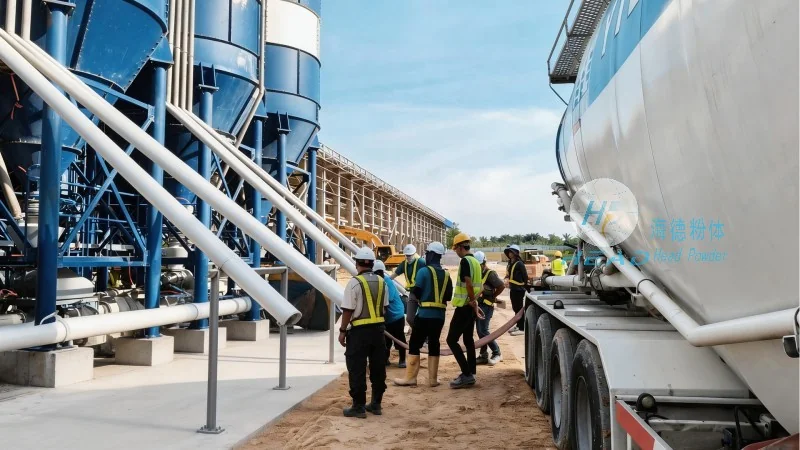
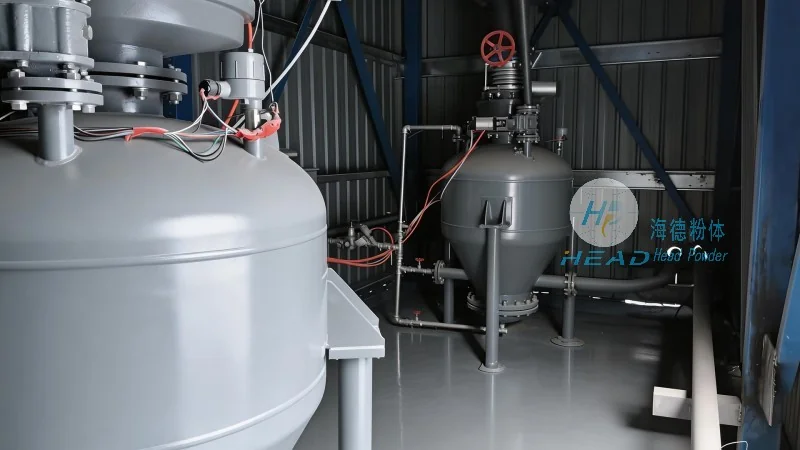
The coffee powder material pneumatic conveying machine comprises several critical components, each playing a vital role in the overall operation. The hopper is the primary container where coffee powder is stored before being fed into the system. It is usually equipped with a feeder, such as a rotary valve or a screw feeder, which controls the flow rate of the material into the pipeline. The blower or compressor provides the necessary air pressure to move the powder through the system. The pipeline network, often made of stainless steel to maintain hygiene standards, ensures that the material is transported efficiently without clogging or degradation. Additionally, the system may include filters and cyclones to separate the powder from the air and return the air to the blower, reducing energy consumption and maintaining a clean environment.
Design Principles for Optimal Performance
The design of a coffee powder material pneumatic conveying machine is based on several key principles to ensure efficiency, reliability, and safety. One of the primary principles is the selection of appropriate air velocity. The air velocity must be high enough to lift the powder particles but not so high as to cause excessive wear on the equipment or generate too much dust. This is often determined by the particle size and density of the coffee powder. Another important principle is the use of a consistent and controlled flow rate. Fluctuations in flow can lead to clogging or uneven distribution of the material. The system is designed with adjustable feeders and pressure controls to maintain a stable flow. Furthermore, the design must consider the hygienic requirements of the coffee industry. Materials such as stainless steel are used for all components that come into contact with the powder to prevent contamination and ensure easy cleaning. The system is also equipped with safety features, such as pressure relief valves and emergency shut-off mechanisms, to protect operators and equipment from potential hazards.
Benefits and Applications
The coffee powder material pneumatic conveying machine offers numerous benefits for coffee processing facilities. It provides a clean and dust-free method of transporting coffee powder, which is essential for maintaining product quality and meeting regulatory standards. The system is also highly efficient, as it minimizes material loss and reduces the need for manual handling, which can be labor-intensive and prone to errors. Additionally, the equipment is versatile and can be used for various applications, including transporting coffee powder from storage to processing lines, from processing to packaging, and even for blending different types of coffee powders. The ability to handle fine powders without clogging makes it suitable for a wide range of coffee products, from instant coffee to specialty blends.
Conclusion
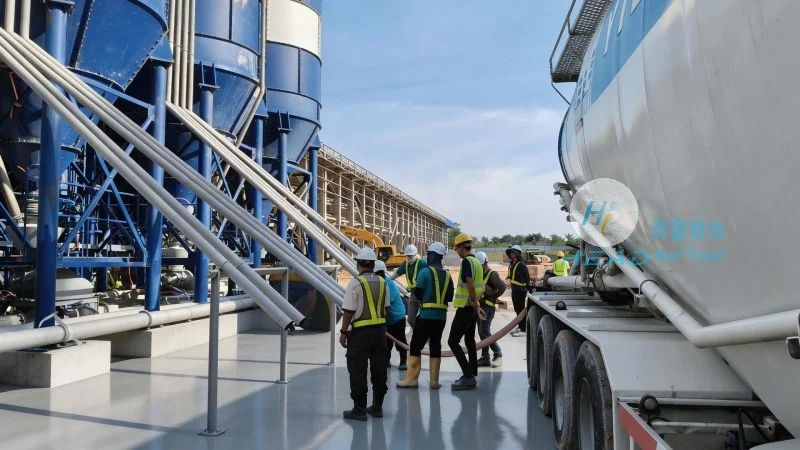
In conclusion, the coffee powder material pneumatic conveying machine is a critical piece of equipment for modern coffee processing operations. Its design, based on pneumatic conveying technology and tailored to the specific needs of coffee powder, ensures efficient and reliable material handling. The system's components, including the hopper, feeder, blower, and pipeline network, work together to transport coffee powder with minimal loss and maximum hygiene. As the coffee industry continues to grow and demand higher quality products, the importance of such equipment will only increase. For businesses looking to enhance their material handling processes, investing in a well-designed coffee powder material pneumatic conveying machine is a strategic decision that can lead to improved efficiency, product quality, and overall operational performance.