

What is a Gypsum Powder Pneumatic Conveying System? And What Are Its Design Principles?
Understanding the fundamentals of gypsum powder pneumatic conveying systems is crucial for industries that rely on efficient material handling. This article explores the core components, operational principles, and design considerations of such systems, providing a comprehensive overview for professionals in the field.
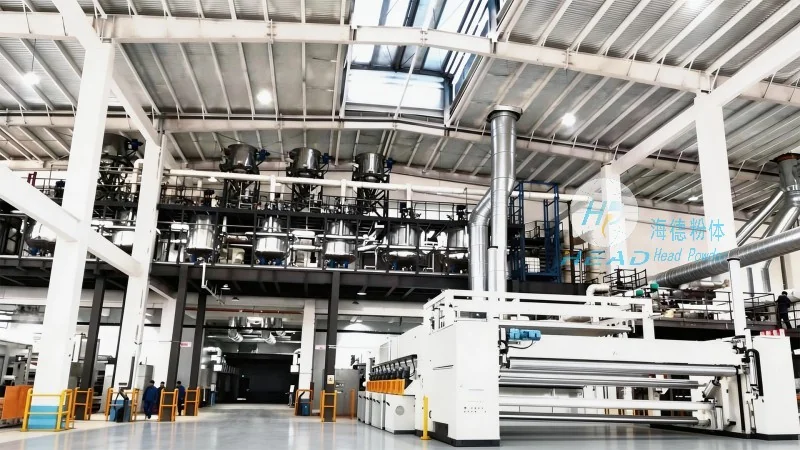
What Is a Gypsum Powder Pneumatic Conveying System?
A gypsum powder pneumatic conveying system is a specialized industrial setup designed to transport gypsum powder through a pipeline using air or other gases. Unlike traditional mechanical conveying methods, this system relies on the force of moving air to move the material, making it ideal for handling fine powders that are prone to dust and clogging in conventional systems. The system typically includes a hopper for material storage, a feeder to control the flow rate, a conveying line with appropriate fittings, and a receiver to collect the material at the destination. By utilizing air as the transport medium, these systems offer advantages such as reduced equipment wear, lower maintenance costs, and the ability to handle materials in a dust-free environment.
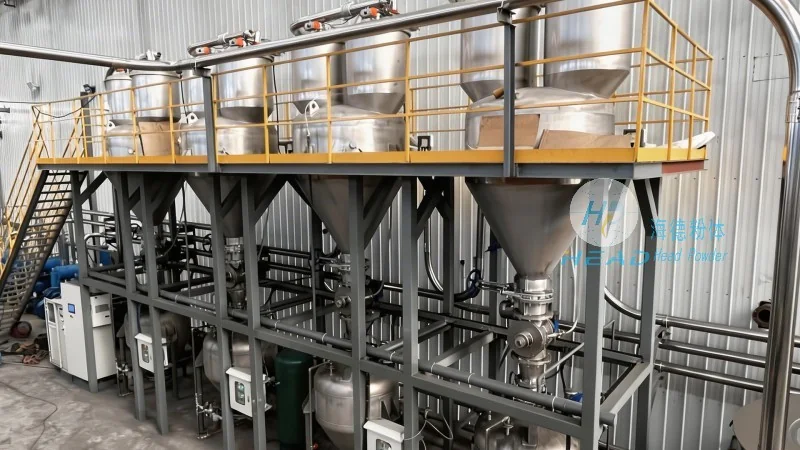
Key Components of the System
The effectiveness of a gypsum powder pneumatic conveying system depends on several critical components working in harmony. The primary components include:
- Material Hopper: A storage vessel that holds the gypsum powder, ensuring a consistent supply for the conveying process. The hopper is designed with a sloped bottom to facilitate material flow and prevent agglomeration.
- Feeder: A device that controls the rate at which gypsum powder is fed into the conveying line. Common types include rotary valves, screw feeders, and vibratory feeders, each chosen based on the specific characteristics of the powder and the required flow rate.
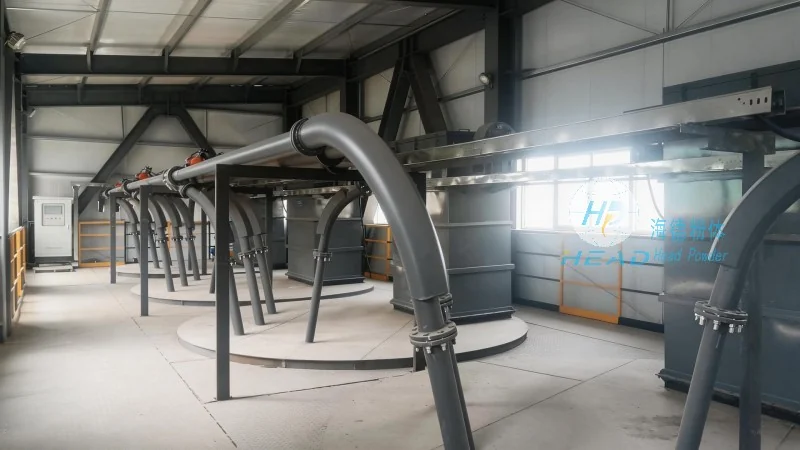
- Conveying Line: The pipeline through which the gypsum powder is transported. The line is typically made of materials like stainless steel or plastic, selected for their resistance to corrosion and wear from the powder. Fittings such as elbows, tees, and bends are strategically placed to guide the material along the path, minimizing pressure losses and ensuring smooth flow.
- Air Supply System: This component generates and controls the air or gas flow within the system. It includes a blower or compressor, a filter to remove contaminants from the air, and a regulator to maintain consistent pressure. The air supply is crucial for creating the necessary velocity to move the powder and prevent it from settling in the line.
- Receiver: The final component where the gypsum powder is deposited after being conveyed. The receiver is designed to collect the material efficiently and may include features like a dust collection system to minimize environmental impact.
Design Principles and Operational Considerations
The design of a gypsum powder pneumatic conveying system follows specific principles to ensure optimal performance and efficiency. Key design considerations include:
- Material Properties: The physical and chemical properties of gypsum powder, such as particle size, density, and moisture content, are critical factors in system design. Larger or more cohesive particles may require higher air velocities or specialized feeding mechanisms to prevent blockages.
- Conveying Velocity: The velocity of the air in the pipeline must be sufficient to keep the powder suspended and moving. This velocity is typically calculated based on the powder's characteristics and the system's layout. Insufficient velocity can lead to material settling, while excessive velocity may cause excessive wear on the system components.
- Pressure Drop: The pressure drop along the conveying line is a key factor in determining the system's efficiency. Designers aim to minimize pressure drop by optimizing the pipeline diameter, reducing bends and fittings, and using smooth, corrosion-resistant materials. Lower pressure drop means less energy consumption and lower operating costs.
- System Layout: The layout of the conveying system, including the length and direction of the pipeline, is carefully planned to minimize the number of bends and changes in elevation. Horizontal and vertical sections are designed to maintain consistent air flow and prevent the accumulation of powder in low points.
- Environmental and Safety Considerations: Gypsum powder is a fine, non-toxic material, but the system must still address dust control and safety. Proper sealing of components, use of dust collection systems, and adherence to safety regulations are essential to ensure a safe working environment and comply with environmental standards.
Advantages of Gypsum Powder Pneumatic Conveying Systems
Compared to traditional mechanical conveying methods, gypsum powder pneumatic conveying systems offer several advantages that make them a preferred choice for many industries: