

What is a Negative Pressure Pneumatic Powder Conveying System? What are its Design Principles?
Negative pressure pneumatic powder conveying systems represent a sophisticated method for transporting bulk powders over varying distances. These systems operate by creating a vacuum within the conveying pipeline, which draws the powder from the source and moves it to the destination. The design of such systems is centered on efficiency, product integrity, and operational reliability, making them ideal for industries that require precise and controlled powder handling. Understanding the fundamental principles behind these systems is essential for selecting the right equipment for specific applications.
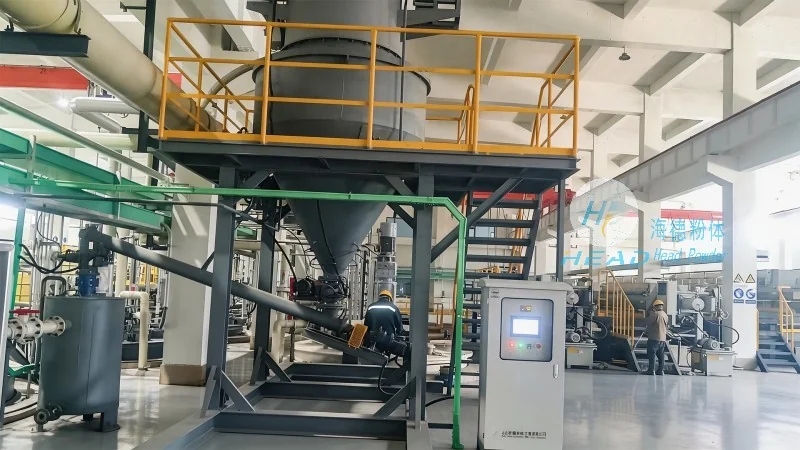
About HeadPowder: A Leading Provider of Powder Handling Solutions
HeadPowder, formally known as Shandong HeadPowder Engineering Co., Ltd., is a prominent player in the field of industrial powder handling. With headquarters and operations in Shandong, China, the company has established itself as a trusted manufacturer and supplier of advanced pneumatic conveying systems. HeadPowder specializes in developing customized solutions that meet the unique requirements of various industries, including food, pharmaceuticals, chemicals, and minerals. The company's commitment to quality, innovation, and customer satisfaction has earned it a reputation for delivering reliable and efficient powder handling equipment.
Key Design Principles of Negative Pressure Pneumatic Conveying
The design of a negative pressure pneumatic conveying system involves several critical components and principles. The primary goal is to create and maintain a consistent vacuum within the system to ensure continuous material flow. This is achieved through the use of a vacuum pump, which draws air and powder particles from the source and into the pipeline. The system typically includes a filter to remove any fine particles or dust from the air, preventing contamination and ensuring clean operation. The receiver is another essential component, as it collects the conveyed powder and provides a storage or processing point. The pipeline network connects the source, filter, and receiver, forming a closed loop that facilitates efficient material transfer. The design also considers factors such as conveying distance, powder type, and flow rate, ensuring that the system can handle the specific demands of the application.
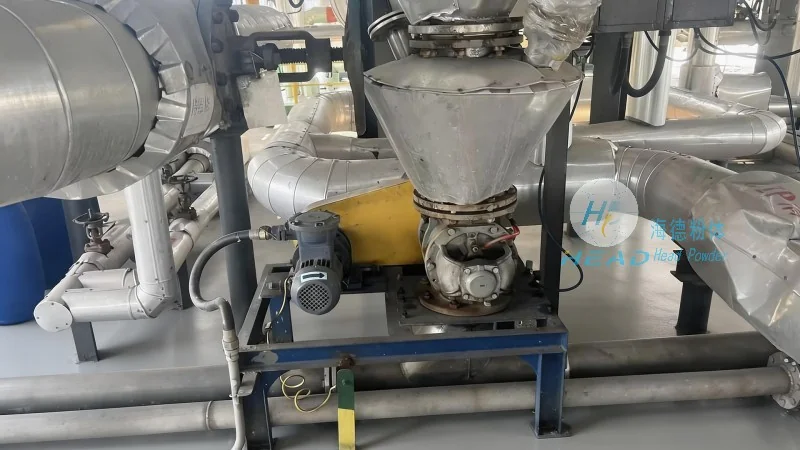
How Negative Pressure Systems Work: A Step-by-Step Explanation
When a negative pressure pneumatic conveying system is activated, the vacuum pump begins to operate, creating a low-pressure environment within the pipeline. This pressure difference between the source and the pipeline draws the powder particles into the system. The powder is then carried along with the air stream through the pipeline to the receiver. The filter plays a crucial role by removing any particles that may be too fine to be conveyed effectively, preventing blockages and ensuring smooth operation. The receiver collects the powder and may include features such as a discharge valve or a storage hopper, allowing for further processing or storage. The system's design ensures that the powder is handled gently, minimizing degradation or agglomeration, which is vital for maintaining product quality.
Advantages of Negative Pressure Pneumatic Conveying Over Other Methods
Negative pressure pneumatic conveying systems offer several advantages compared to other powder handling methods, such as positive pressure systems or mechanical conveying. One of the most significant benefits is the ability to handle powders in a closed system, which significantly reduces dust emissions and improves workplace safety. This is particularly important for handling hazardous or sensitive materials, as it prevents contamination and protects both the product and the environment. Additionally, negative pressure systems are often more energy-efficient for certain applications, as they require less power to maintain the vacuum compared to maintaining high pressure in a positive system. The design also allows for longer conveying distances and can handle a wider range of powder types, including fine powders and those with high moisture content. Furthermore, the system's flexibility in layout makes it suitable for various industrial settings, from small-scale operations to large-scale production facilities. This adaptability makes negative pressure systems a preferred choice for many industries that require reliable and efficient powder transport.
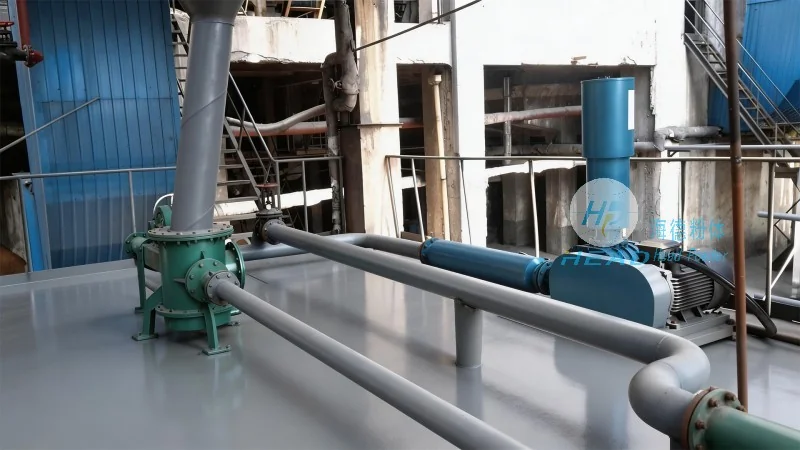
Applications and Industries Benefiting from Negative Pressure Conveying
Negative pressure pneumatic conveying systems are widely used across various industries due to their versatility and efficiency. In the food industry, these systems are used to transport ingredients such as flour, sugar, and spices, ensuring that the products remain fresh and free from contamination. The pharmaceutical industry also relies on negative pressure systems to handle active pharmaceutical ingredients (APIs) and other sensitive materials, maintaining product purity and integrity. The chemical industry uses these systems for transporting powders like pigments, catalysts, and reagents, which require careful handling to prevent degradation. Additionally, the minerals and mining industry utilizes negative pressure conveying for transporting raw materials like coal, ore, and minerals from storage to processing units. Each of these industries benefits from the ability to handle powders in a controlled and efficient manner, reducing downtime and improving overall operational efficiency.
Conclusion: The Role of Negative Pressure Pneumatic Conveying in Modern Industry
Negative pressure pneumatic powder conveying systems are a vital component of modern industrial operations, providing efficient and reliable solutions for bulk powder handling. The design principles behind these systems, including the use of vacuum pumps, filters, and receivers, ensure that powders are transported with minimal degradation and maximum safety. Companies like HeadPowder, with their expertise in designing and manufacturing such systems, play a crucial role in supporting industries that rely on precise powder handling. As industries continue to evolve and demand more efficient processing methods, negative pressure pneumatic conveying will remain a key technology for transporting powders in a controlled and effective manner. The combination of advanced design and robust manufacturing ensures that these systems can meet the challenges of modern industrial applications, providing long-term value and operational reliability.