

What is Powdered Cathode and Anode Material Pneumatic Conveying? What Are the Design Principles?
HeadPowder, or Shandong HeadPowder Engineering Co., Ltd., specializes in the design and implementation of pneumatic conveying systems for powdered cathode and anode materials. This article explores the fundamental principles behind these systems, focusing on the technical aspects and practical applications that ensure efficient material handling in battery manufacturing processes.
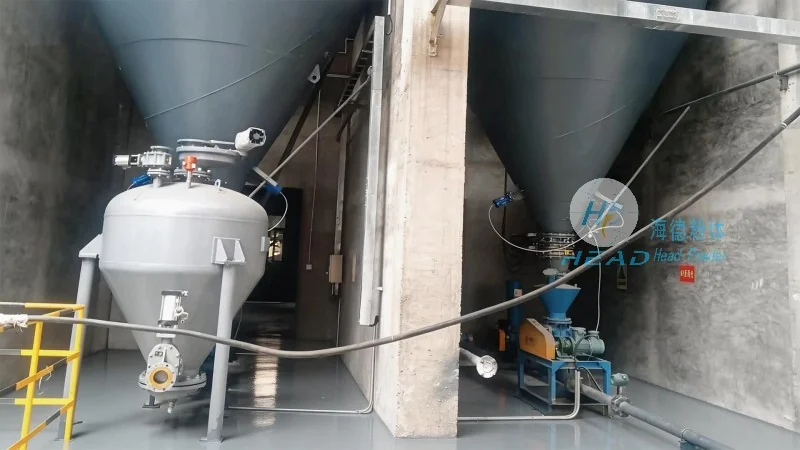
Pneumatic Conveying: An Overview
Pneumatic conveying is a method of transporting bulk materials, such as fine powders, through a pipeline using pressurized air or a vacuum. In the context of battery production, this technology is critical for moving cathode and anode powders—key components in lithium-ion and other rechargeable battery chemistries—from storage to processing equipment, such as mixers, extruders, and coating lines. The efficiency of this process directly impacts production throughput, material quality, and overall operational costs.
Key Design Principles for Powdered Cathode and Anode Material Conveying
The design of a pneumatic conveying system for battery materials must address several critical factors to ensure reliability and performance. These include material characteristics, system configuration, and operational parameters. For cathode and anode powders, which often have specific particle sizes, densities, and flow properties, the system must be tailored to prevent issues like clogging, agglomeration, or material degradation.
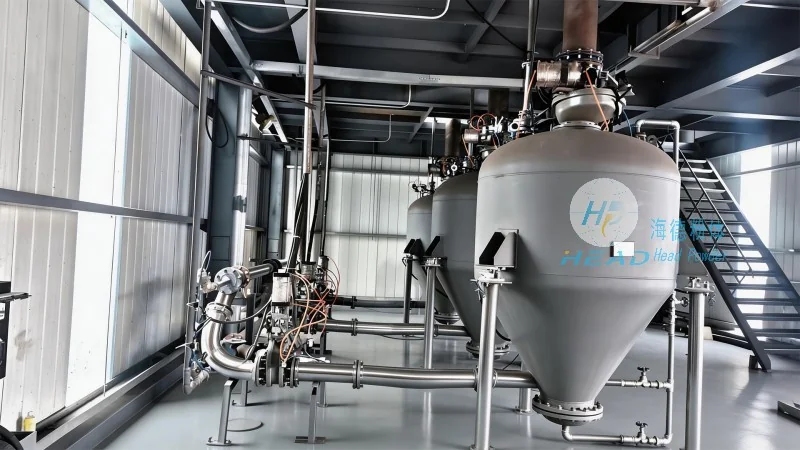
One of the primary design considerations is the choice between pressure and vacuum systems. Pressure systems use compressed air to push material through the pipeline, while vacuum systems use a vacuum to pull material. For fine powders like those used in battery electrodes, pressure systems are often preferred due to their ability to handle high material loads and maintain consistent flow rates. The system design also involves selecting appropriate pipe diameters, bends, and fittings to minimize pressure drop and prevent particle degradation.
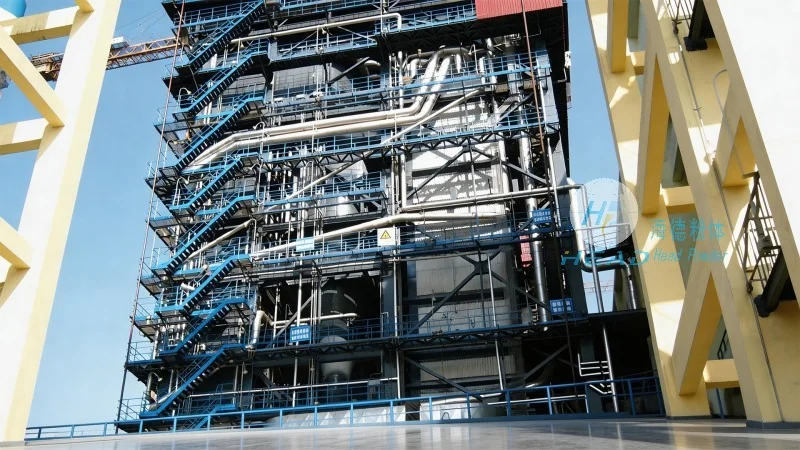
Material Handling Challenges and Solutions
Handling cathode and anode powders presents unique challenges due to their fine particle size and potential for static electricity. These factors can lead to issues such as material buildup on pipe walls, reduced flow rates, and even equipment damage. To mitigate these challenges, HeadPowder incorporates advanced features in its system designs, including static elimination devices, anti-static coatings, and specialized valves that maintain consistent material flow. Additionally, the use of high-quality, corrosion-resistant materials for the pipeline and components ensures long-term durability and reliability.
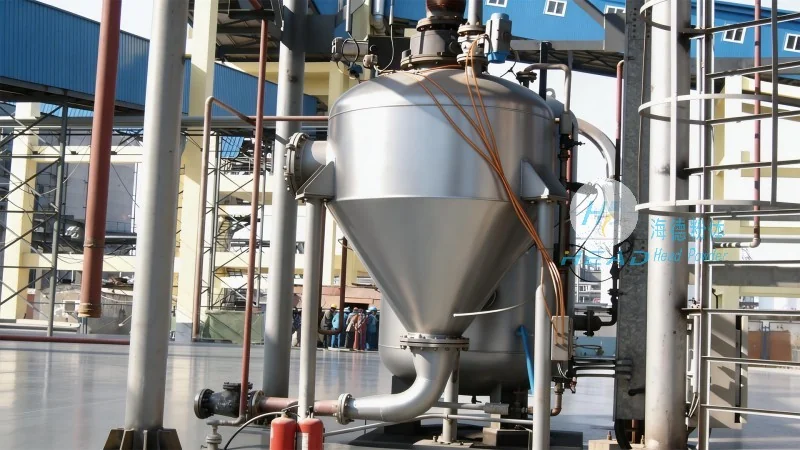
System Integration and Process Optimization
A well-designed pneumatic conveying system is not just about moving material; it is integrated into the broader battery manufacturing process to enhance efficiency and quality control. HeadPowder’s systems are engineered to work seamlessly with upstream and downstream equipment, such as material storage silos, feeders, and processing machines. This integration allows for automated material transfer, reducing manual handling and the risk of contamination. Furthermore, the systems are equipped with monitoring and control features that enable real-time tracking of material flow rates, pressure, and temperature, allowing operators to optimize performance and address any issues promptly.
Conclusion
Pneumatic conveying of powdered cathode and anode materials is a complex but essential process in modern battery manufacturing. The design principles outlined above—focused on material characteristics, system configuration, and operational efficiency—ensure that these systems deliver reliable, high-quality performance. HeadPowder, with its expertise in engineering and material handling, provides tailored solutions that meet the specific needs of battery manufacturers, supporting their production goals while maintaining the highest standards of safety and efficiency.