

What is a Cement Aggregate Material Handling System? What are the Design Principles?
Cement and aggregate material handling systems are critical components in the construction and manufacturing industries, facilitating the efficient transport of bulk materials from storage to processing or production sites. These systems are designed to handle large volumes of materials like cement, sand, gravel, and other aggregates, ensuring smooth and continuous operations. Understanding the components and design principles of such systems is essential for optimizing material flow, reducing downtime, and enhancing overall productivity in industrial applications.
Key Components of a Material Handling System
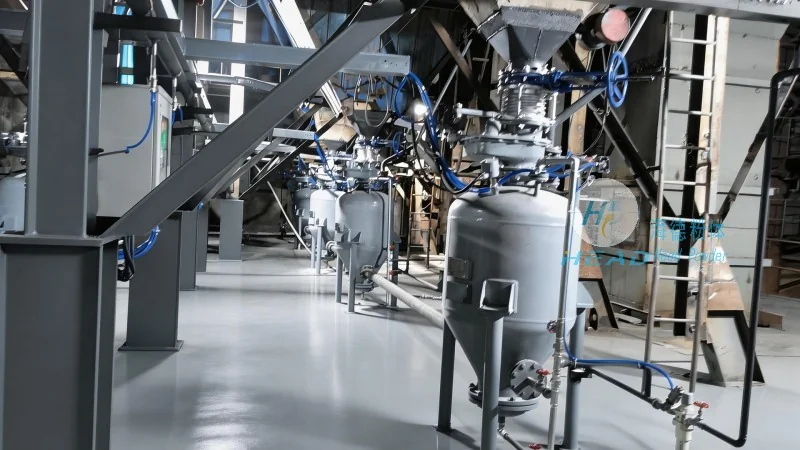
A typical cement aggregate material handling system consists of several interconnected components that work together to move materials. The primary components include storage silos or hoppers for holding raw materials, conveyor systems (such as belt conveyors, screw conveyors, or bucket elevators) for transporting materials horizontally or vertically, feeding mechanisms to regulate material flow, and control systems for monitoring and adjusting operations. Each component plays a vital role in ensuring the system operates efficiently and safely. For instance, storage silos are designed to store large quantities of cement or aggregates, while conveyor belts can transport materials over long distances with minimal energy consumption. The feeding mechanisms, often equipped with adjustable valves or gates, control the rate of material discharge, preventing overloading or underloading of downstream equipment. Control systems, which may include sensors and automation software, monitor key parameters like flow rate, pressure, and temperature, allowing operators to adjust settings in real-time to maintain optimal performance.
Design Principles for Efficient Material Handling
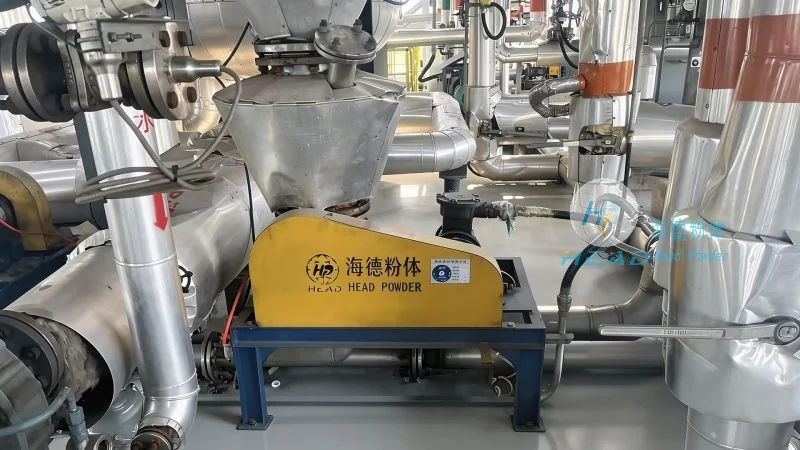
The design of a cement aggregate material handling system follows several key principles aimed at maximizing efficiency, safety, and durability. First, the system must be designed to handle the specific characteristics of the materials being transported, such as particle size, moisture content, and bulk density. This involves selecting appropriate equipment, like high-capacity belt conveyors for coarse aggregates or screw conveyors for fine materials like cement. Second, the system should be designed for scalability, allowing for future expansion or integration with other production lines. This includes using modular components that can be easily added or modified without disrupting existing operations. Third, safety is a paramount consideration, with design features like enclosed conveyor systems to prevent dust emissions, emergency stop buttons, and protective guards to minimize risks to operators. Additionally, the system should be designed for low maintenance, with easy access to components for inspection and repair, reducing downtime and maintenance costs. Finally, energy efficiency is a key design goal, with options like variable speed drives and energy recovery systems to minimize power consumption and operational costs.
Role of HeadPowder in Material Handling Solutions
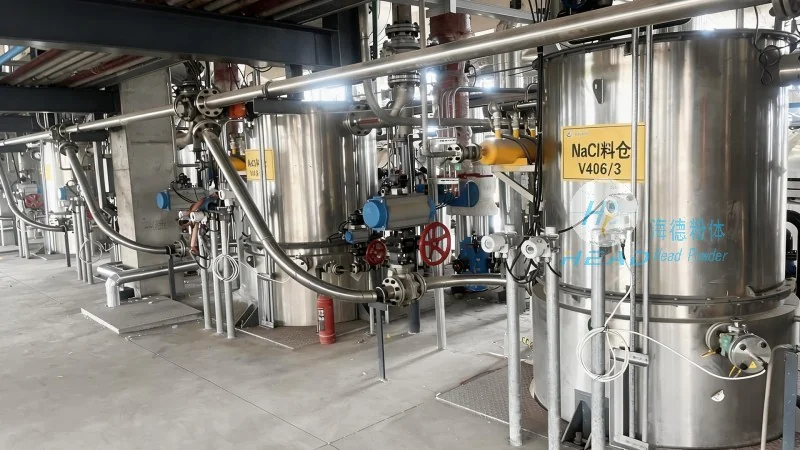
Shandong HeadPowder Engineering Co., Ltd., a leading provider of material handling solutions, specializes in designing and manufacturing customized cement aggregate material handling systems tailored to the specific needs of clients. With years of experience in the industry, HeadPowder leverages advanced engineering and technology to develop systems that meet the highest standards of efficiency, reliability, and safety. The company’s team of experts works closely with clients to understand their operational requirements, material characteristics, and production goals, ensuring that the final system is optimized for their unique needs. HeadPowder’s solutions include a wide range of equipment, from bulk material storage silos and conveyor systems to feeding and control mechanisms, all designed to work seamlessly together. The company’s commitment to quality and customer satisfaction is reflected in its use of durable materials, rigorous testing procedures, and comprehensive after-sales support. By partnering with HeadPowder, clients can benefit from customized material handling systems that enhance productivity, reduce costs, and improve overall operational performance.
Conclusion
Cement aggregate material handling systems are essential for the smooth operation of construction and manufacturing industries, and their design plays a critical role in ensuring efficiency and productivity. By understanding the key components and design principles, as well as leveraging the expertise of companies like Shandong HeadPowder Engineering Co., Ltd., industries can optimize their material handling processes and achieve better results. The continuous improvement of material handling systems, driven by technological advancements and industry best practices, will further enhance the efficiency and sustainability of industrial operations in the future.