

What is an Ammonium Bicarbonate Material Handling System? And What Are Its Design Principles?
Ammonium bicarbonate, a versatile chemical widely utilized in industries such as food processing, pharmaceuticals, and chemical manufacturing, necessitates specialized material handling systems to ensure safe and efficient processing. This article delves into the fundamental components, design principles, and operational strategies of an ammonium bicarbonate material handling system, with a focus on the expertise of Shandong HeadPowder Engineering Co., Ltd. in delivering tailored solutions for this critical chemical. The system is engineered to address the unique properties of ammonium bicarbonate, including its reactivity, handling requirements, and storage conditions, ensuring optimal performance and safety throughout the material flow process.
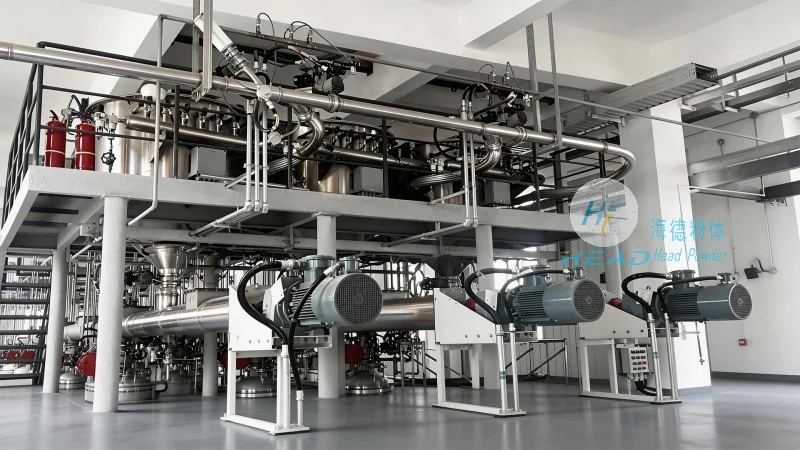
Key Components and Their Functions
The core components of an ammonium bicarbonate material handling system are meticulously designed to handle the chemical's characteristics. These components typically include enclosed conveyors, storage silos, and feeding mechanisms, all constructed from corrosion-resistant materials to prevent chemical reactions that could compromise equipment integrity. The system may also incorporate dust collection and ventilation systems to manage potential dust generation and maintain a safe working environment. For instance, the use of stainless steel or specialized alloys in the construction of these components is essential to withstand the chemical's reactivity and ensure long-term durability. Additionally, the system features sensors and monitoring devices to track parameters such as temperature, pressure, and material levels, providing real-time data for operational control and safety management.
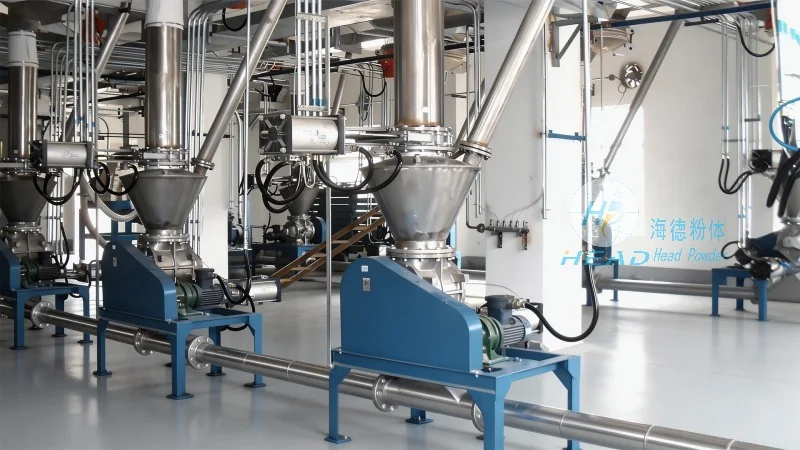
Design Principles for Safety and Efficiency
The design of an ammonium bicarbonate material handling system adheres to several critical principles aimed at optimizing performance while minimizing risks. One primary principle is the minimization of material exposure to air and moisture, as ammonium bicarbonate can degrade or react under certain conditions. The system is therefore designed with enclosed pathways and sealed containers to prevent contamination and maintain the material's quality. Another key principle is the integration of robust safety features, including emergency shutdown mechanisms, overfill protection, and leak detection systems, to mitigate hazards associated with handling a reactive chemical. The layout of the system is carefully planned to facilitate smooth material flow, reducing the need for manual intervention and minimizing the risk of human error. Furthermore, the design emphasizes ease of maintenance and cleaning, as the material can adhere to surfaces and require regular upkeep to prevent buildup and potential hazards. This includes features such as easy access points for maintenance personnel and self-cleaning mechanisms to reduce downtime.
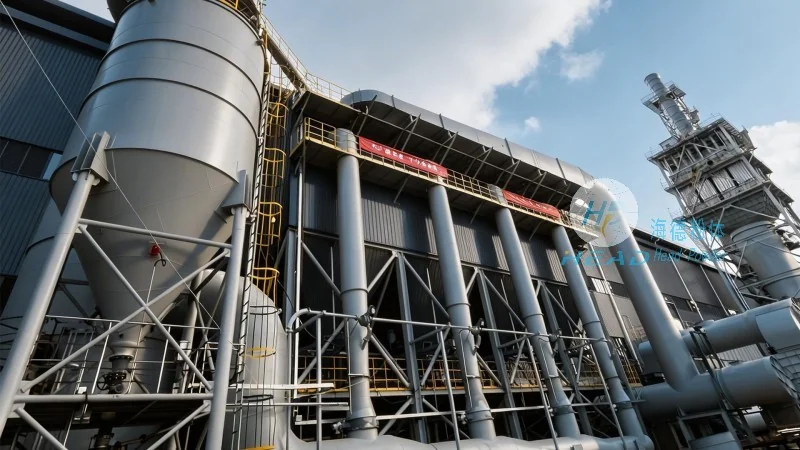
Operational Considerations and Maintenance Protocols
Operational considerations are vital for the effective functioning of an ammonium bicarbonate material handling system. Proper operator training is essential to ensure individuals understand the unique handling requirements of ammonium bicarbonate and can operate the system safely. The system is typically equipped with user-friendly interfaces and clear operational guidelines to minimize the risk of errors. Regular maintenance is also crucial to ensure the system's longevity and reliability. This includes routine inspections of components, cleaning of equipment, and replacement of worn parts. The maintenance plan should be tailored to the specific characteristics of ammonium bicarbonate, as the material can be abrasive and may cause wear on certain materials. For example, the conveyor belts and storage tanks may require more frequent cleaning and inspection due to the material's tendency to adhere to surfaces. Additionally, the system should be designed with redundancy in key components to ensure continuous operation in case of minor failures, enhancing overall system reliability.
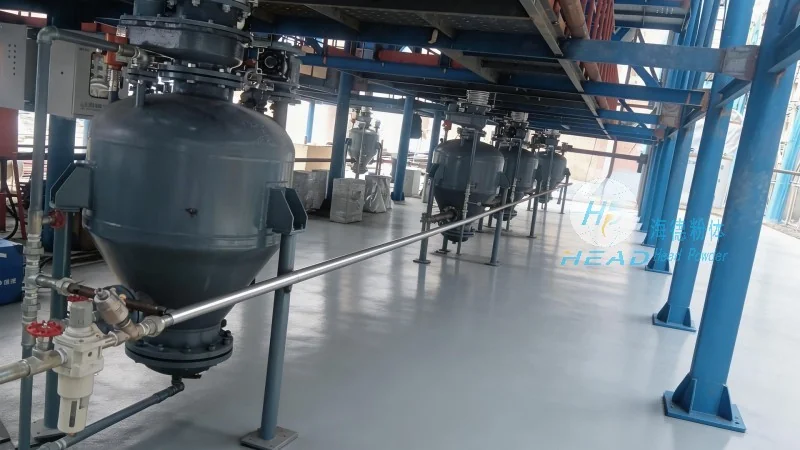
Industry Applications and Impact
Ammonium bicarbonate material handling systems are integral to the production processes of various industries. In the food industry, for example, ammonium bicarbonate is used as a leavening agent in baked goods, and the system ensures that the chemical is stored and transported in a way that preserves its effectiveness and safety. The system's design includes temperature control features to maintain the material's stability during storage and transportation. In the pharmaceutical industry, the system is used to handle ammonium bicarbonate in the production of medications, where precision and safety are paramount. The system is tailored to meet stringent regulatory requirements, ensuring that the material is handled in a controlled environment free from contaminants. In chemical manufacturing, the system supports the production of other chemicals by providing a reliable means of handling ammonium bicarbonate as an intermediate. Overall, the ammonium bicarbonate material handling system plays a critical role in supporting the efficiency and safety of these industries, enabling the consistent and high-quality production of products that rely on this important chemical.