

What is a Molybdenum Trioxide Material Handling System? What are the Design Principles?
Molybdenum trioxide (MoO₃) is a high-purity inorganic compound with a chemical formula of MoO₃, widely utilized in the production of electronic components, chemical catalysts, and aerospace materials. Due to its critical role in various industrial applications, the efficient and safe handling of MoO₃ is paramount. This article delves into the Molybdenum Trioxide Material Handling System, exploring its design principles, key components, and operational considerations to ensure optimal performance in material transport.
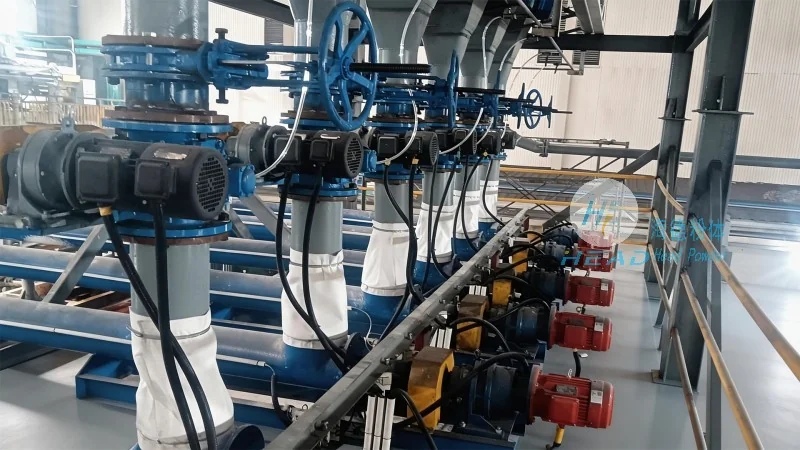
About the Company: Shandong HeadPowder Engineering Co., Ltd.
HeadPowder, a prominent engineering firm headquartered in Shandong, China, specializes in the development and implementation of advanced material handling solutions. With a strong focus on innovation and quality, the company has established itself as a leading provider of systems tailored for specialized materials like molybdenum trioxide. Based in Shandong, the company leverages its local expertise and resources to deliver reliable, efficient, and cost-effective solutions that meet the diverse needs of industrial clients. HeadPowder’s commitment to excellence has earned it a reputation for delivering systems that enhance productivity while ensuring safety and compliance with industry standards.
Design Principles of the Molybdenum Trioxide Material Handling System
The design of a Molybdenum Trioxide Material Handling System is guided by several fundamental principles to address the unique characteristics of MoO₃ and ensure safe, efficient operation. First, the system must be constructed using materials that are chemically compatible with MoO₃ to prevent contamination or adverse reactions. This includes selecting components made from stainless steel, special alloys, or other inert materials that do not react with the compound. Second, the design prioritizes safety by incorporating explosion-proof and dust explosion-proof features, as MoO₃ can generate fine particles that pose fire and explosion risks under certain conditions. The system may include spark-proof motors, flame arrestors, and proper grounding to mitigate these hazards. Third, the system is engineered for high efficiency, optimizing the flow of material through the use of advanced control systems and automation. This minimizes downtime and maximizes throughput, which is critical for industrial production lines. Fourth, the design considers environmental and regulatory compliance, ensuring that the system adheres to local and international standards for material handling, such as those set by the Occupational Safety and Health Administration (OSHA) or the European Union's REACH regulations. These principles collectively ensure that the system is both effective and compliant with all relevant requirements.
Key Components and Their Functions
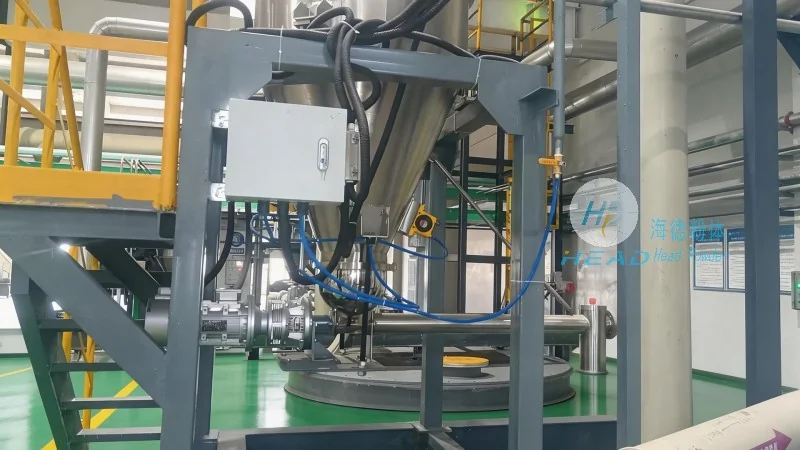
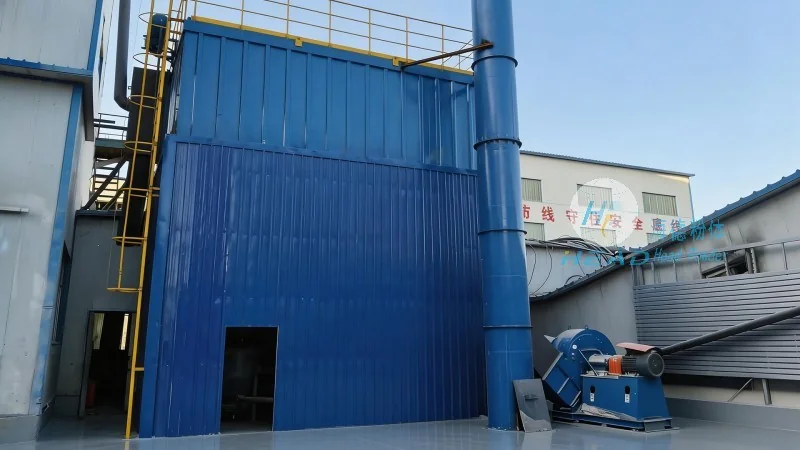
The Molybdenum Trioxide Material Handling System typically comprises several interconnected components that work in harmony to transport the material. The primary components include feeders, conveyors, storage silos, and transfer equipment. Feeders, often of the rotary or vibratory type, are responsible for uniformly feeding MoO₃ into the conveyor system at a controlled rate. This ensures a steady flow of material without overloading or underfeeding the downstream equipment. Conveyors, which may be pneumatic or mechanical, transport the material from the feeder to the storage silo or processing unit. Pneumatic conveyors use air pressure to move the material, while mechanical conveyors rely on belts or buckets. Storage silos are used to hold bulk quantities of MoO₃, providing a buffer for production needs and reducing the frequency of material replenishment. Transfer equipment, such as rotary valves or pneumatic transfer units, facilitate the movement of material between different parts of the system, ensuring that the flow remains uninterrupted. Additionally, the system may include dust collection and filtration systems to capture and remove fine particles, maintaining a clean and safe working environment. These components are carefully selected and integrated to create a seamless material handling process that is both efficient and safe.
Operational Considerations and Maintenance Practices
Operating a Molybdenum Trioxide Material Handling System requires careful attention to operational protocols and regular maintenance to ensure long-term reliability and performance. Regular maintenance is essential to prevent equipment failure and ensure that the system operates at peak efficiency. This includes routine checks of conveyor belts, motor performance, and control systems. The system should be equipped with monitoring tools, such as vibration sensors or temperature gauges, to detect any abnormalities early. For example, increased vibration in the conveyor system may indicate a misalignment or worn components, while elevated temperatures could signal a motor overload or blockage. Timely maintenance, including cleaning, lubrication, and replacement of worn parts, helps to minimize downtime and extend the lifespan of the equipment. Additionally, proper training for operators is crucial to ensure they understand the proper handling procedures and safety protocols for MoO₃. Operators must be trained to recognize signs of system failure, such as abnormal noises or changes in material flow, and know how to respond appropriately. By adhering to these operational considerations and maintenance practices, businesses can ensure that their Molybdenum Trioxide Material Handling System operates reliably and safely over its service life.
Benefits and Applications
The Molybdenum Trioxide Material Handling System offers several key benefits that make it an essential solution for industries dealing with this specialized material. One of the primary benefits is enhanced safety, as the system is designed with explosion-proof and dust control features to minimize risks associated with MoO₃ handling. This reduces the likelihood of accidents and ensures a safe working environment for employees. Another benefit is improved efficiency, as the system’s optimized design minimizes downtime and maximizes throughput, leading to higher productivity and lower operational costs. The system also provides flexibility, allowing for easy integration with existing production lines and the ability to handle varying material volumes. Additionally, the system’s compliance with environmental and regulatory standards helps businesses avoid penalties and maintain their reputation for responsible operations. The applications of this system are widespread, including the electronics industry for producing high-purity MoO₃ used in semiconductor manufacturing, the chemical industry for catalyst production, and the aerospace industry for components requiring high-performance materials. In each of these sectors, the Molybdenum Trioxide Material Handling System plays a critical role in ensuring the efficient and safe processing of MoO₃, supporting the overall success of the business.