

What is a Biomass Pellet Material Handling System? What are its Design Principles?
Biomass pellet material handling systems are essential in modern industrial processes, particularly in the energy and agricultural sectors. These systems are engineered to efficiently transport biomass pellets, which are a renewable energy source derived from organic materials like wood chips, agricultural residues, and other plant-based feedstocks. The primary function of such systems is to move these pellets from storage areas to processing units or end-use applications with precision and reliability. Understanding the components and design principles behind these systems is crucial for optimizing operational efficiency and ensuring consistent performance in biomass handling operations.
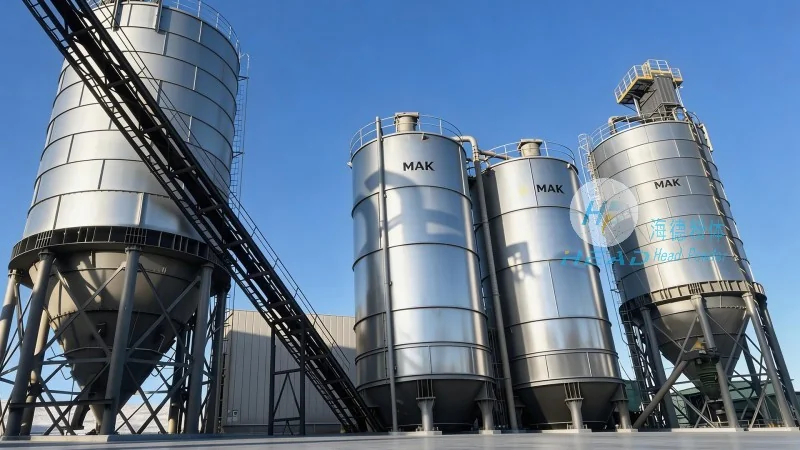
Key Components of Biomass Pellet Material Handling Systems
The core components of a biomass pellet material handling system typically include storage silos or hoppers, conveying mechanisms (such as screw conveyors, belt conveyors, or pneumatic systems), control systems, and material handling accessories. Each component plays a vital role in the overall functionality of the system. Storage silos are designed to hold large quantities of biomass pellets, ensuring a steady supply for processing. Conveying mechanisms are responsible for transporting the pellets from the storage area to the processing equipment or to the point of use. Control systems, often integrated with sensors and automation technology, monitor the flow of materials and adjust operations as needed to maintain optimal performance. Material handling accessories, like feeders or chutes, help direct the pellets smoothly through the system, minimizing blockages and ensuring consistent flow rates.
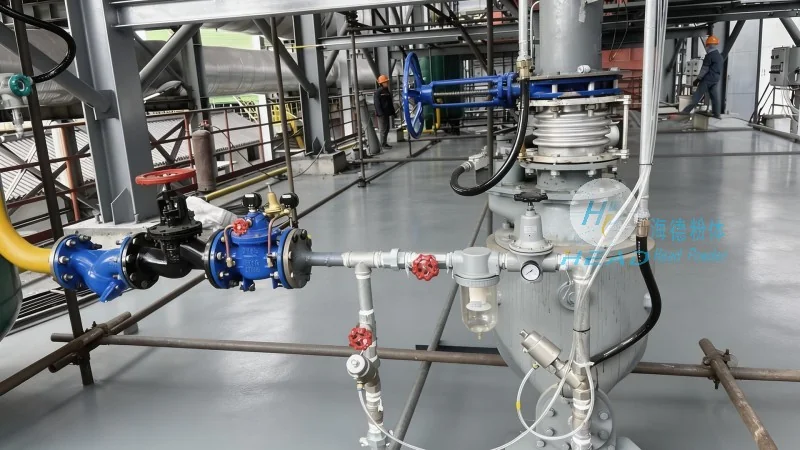
Design Principles for Efficient Biomass Pellet Handling
The design of biomass pellet material handling systems follows several key principles to ensure efficiency, durability, and safety. One of the primary principles is the minimization of material degradation. Biomass pellets are susceptible to breakage or attrition during handling, which can reduce their energy content and affect combustion efficiency. Therefore, systems are designed with smooth surfaces and gentle conveying methods to reduce friction and impact. Another critical principle is the prevention of dust generation. Proper sealing and filtration systems are incorporated to minimize dust emissions, which not only improves air quality but also prevents material loss and equipment damage. Additionally, the design prioritizes material flow consistency. By using consistent conveying speeds and proper hopper geometry, the system ensures that pellets move uniformly, avoiding bottlenecks or surges that could lead to equipment overload or inefficiencies.
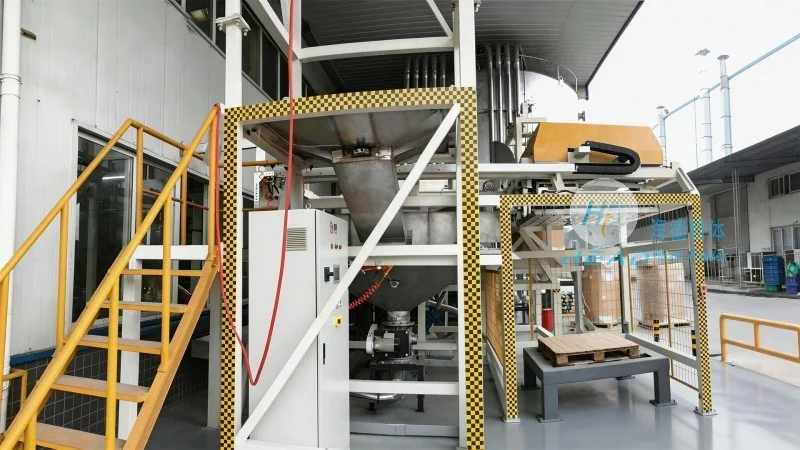
Application and Operational Considerations
Biomass pellet material handling systems are widely used in various applications, including power generation, heating systems, and industrial processes. In power plants, these systems transport pellets from storage to boilers for combustion, contributing to renewable energy production. In residential and commercial heating systems, they deliver pellets to furnaces or stoves for consistent heat supply. The operational considerations for these systems include maintaining proper moisture content in the pellets, as high moisture levels can affect flow and combustion efficiency. Regular maintenance of conveying components, such as cleaning screw conveyors or replacing worn belts, is also essential to prevent system downtime and ensure long-term reliability. Furthermore, the design of the system must account for the specific properties of the biomass pellets, such as their size, density, and shape, to optimize handling performance.
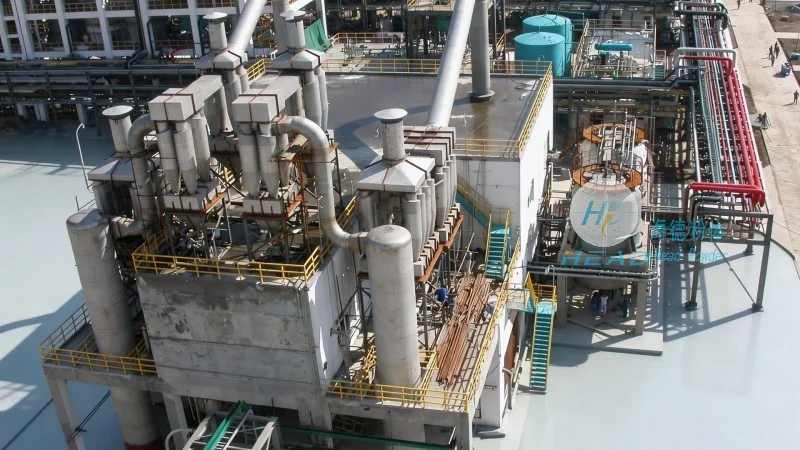
Conclusion: The Role of Shandong HeadPowder Engineering Co., Ltd.
Shandong HeadPowder Engineering Co., Ltd., a leading manufacturer in the field, specializes in designing and manufacturing high-quality biomass pellet material handling systems. With a focus on innovation and customer-centric solutions, the company ensures that its systems meet the diverse needs of the biomass industry. Based in China, the company leverages advanced engineering techniques and materials to deliver durable, efficient, and reliable equipment that enhances operational performance and supports sustainable energy practices. By adhering to the design principles outlined above, Shandong HeadPowder Engineering Co., Ltd. continues to play a vital role in advancing biomass handling technology and contributing to the global transition to renewable energy sources.