

What is Ferrous Sulfate Material Handling? What Are the Design Principles?
When it comes to the efficient and safe transportation of ferrous sulfate, understanding the material handling processes and the underlying design principles is crucial for industries that rely on this chemical compound. Ferrous sulfate, also known as iron(II) sulfate, is widely used in water treatment, agriculture, and various industrial applications. Its handling requires specialized equipment and systems to ensure optimal performance and compliance with safety standards.
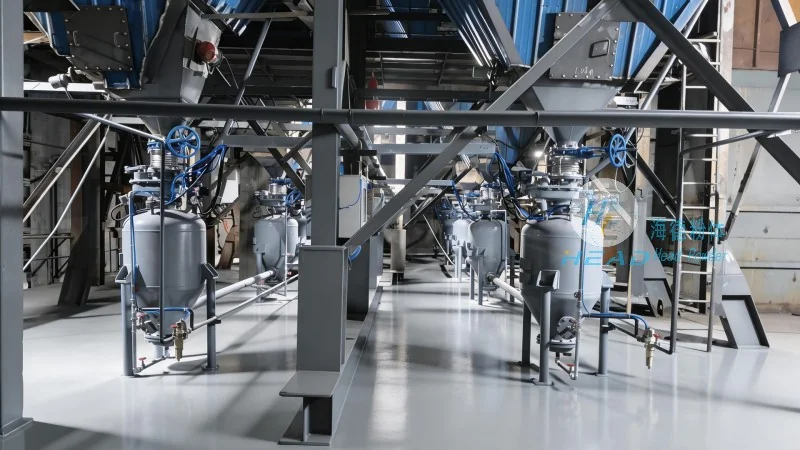
Introduction to Ferrous Sulfate Material Handling
Ferrous sulfate material handling refers to the methods and technologies used to move, store, and manage ferrous sulfate in industrial settings. This process involves a range of operations, from loading and unloading bulk materials to transporting them through pipelines or conveyor systems. The primary goal is to maintain the chemical's integrity while minimizing the risk of contamination, spillage, or operational inefficiencies.
Key Components of Ferrous Sulfate Material Handling Systems
Effective ferrous sulfate material handling systems typically consist of several key components. These include bulk storage silos or tanks, loading/unloading equipment such as screw conveyors or pneumatic systems, and transportation mechanisms like conveyor belts or pipelines. Each component plays a critical role in ensuring the smooth flow of the material from its source to its destination.
Design Principles for Ferrous Sulfate Material Handling
The design of ferrous sulfate material handling systems is guided by several fundamental principles aimed at optimizing performance, safety, and cost-effectiveness. These principles include:
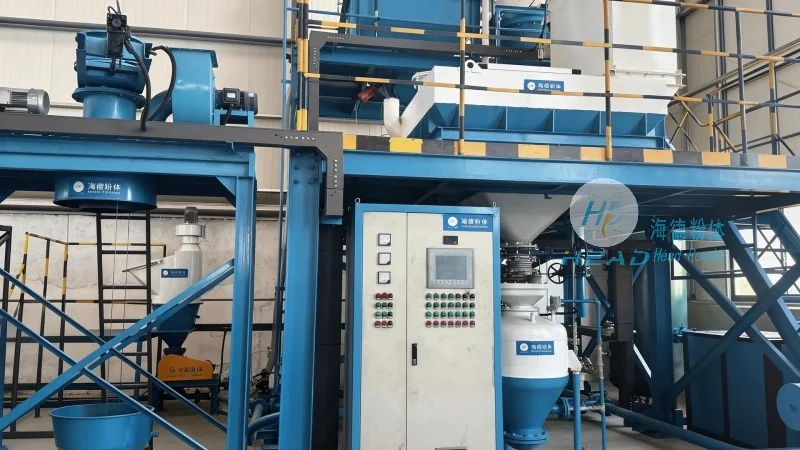
1. Material Compatibility: Ensuring that all equipment and materials used in the handling process are compatible with ferrous sulfate to prevent corrosion or chemical reactions that could compromise the system's integrity.
2. Flow Optimization: Designing systems that promote consistent and controlled flow of the material, reducing the risk of blockages or uneven distribution.
3. Safety and Environmental Protection: Implementing measures to prevent spills, leaks, and exposure to personnel, as well as to comply with environmental regulations regarding the disposal of any waste materials.
4. Ergonomics and Operational Efficiency: Designing systems that are easy to operate and maintain, minimizing downtime and maximizing productivity.
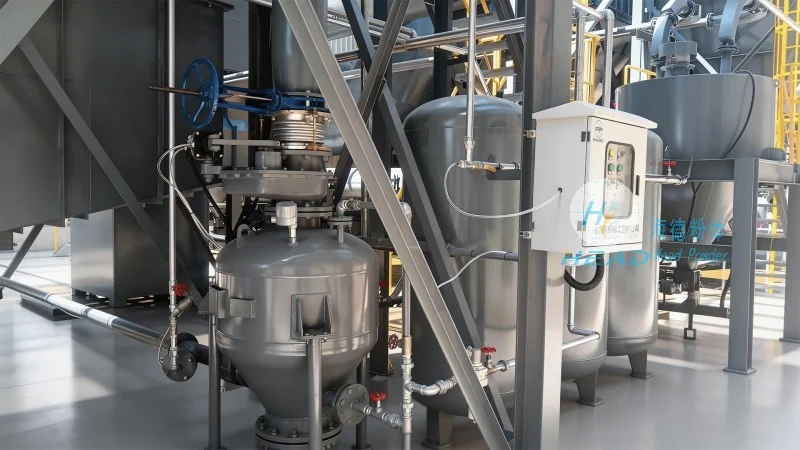
Role of Shandong HeadPowder Engineering Co., Ltd. in Ferrous Sulfate Material Handling
Shandong HeadPowder Engineering Co., Ltd., a leading provider in the field, specializes in designing and implementing customized material handling solutions for ferrous sulfate and other chemical compounds. With a strong focus on engineering excellence and customer satisfaction, the company offers comprehensive services that cover the entire lifecycle of material handling systems.
HeadPowder's expertise lies in understanding the unique properties of ferrous sulfate and tailoring handling solutions to meet specific industrial requirements. The company's team of experienced engineers works closely with clients to assess their needs, develop tailored designs, and ensure that the final system adheres to the highest standards of safety and efficiency.
Address and Contact Information
HeadPowder is located in Shandong, China, providing a strategic base for serving clients both domestically and internationally. The company's address is in Shandong, China, and it operates as a key player in the chemical engineering sector, dedicated to advancing material handling technologies for the benefit of its clients.