

What is a Cotton Fiber Powder Conveying Machine? And What Are Its Design Principles?
For industries dealing with cotton fiber powders, efficient and reliable material handling is crucial. A cotton fiber powder conveying machine is a specialized equipment designed to transport and process cotton fiber powders with precision. This equipment plays a vital role in optimizing production lines, ensuring consistent material flow, and enhancing overall operational efficiency. The design of such machines is tailored to meet the unique challenges posed by cotton fiber powders, including their lightweight nature, tendency to form clumps, and sensitivity to moisture. By understanding the core components and operational principles of these machines, users can make informed decisions about their material handling solutions.
Key Components of Cotton Fiber Powder Conveying Machines
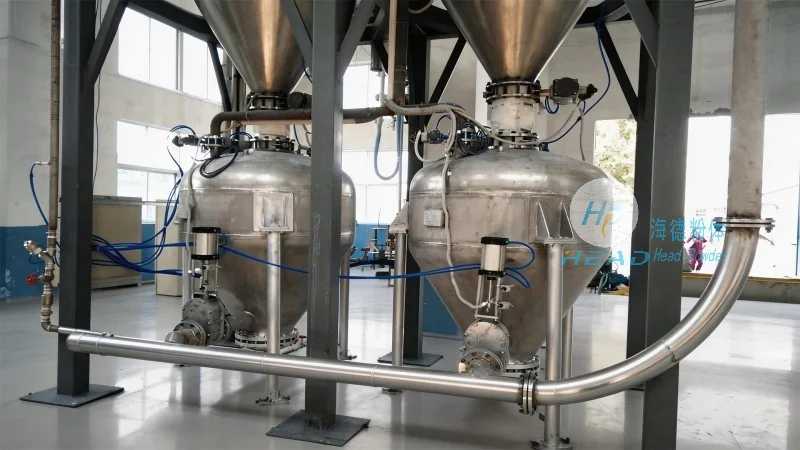
The cotton fiber powder conveying machine typically consists of several key components that work in harmony to achieve efficient material transport. The primary components include a hopper for material storage, a feeding mechanism to control the flow of cotton fibers, a conveying system (such as a screw conveyor or pneumatic conveyor) to move the material, and a control panel for monitoring and adjusting the operation. The hopper is designed to accommodate bulk cotton fiber powders, ensuring a steady supply to the feeding system. The feeding mechanism, often a rotary valve or a screw feeder, regulates the amount of material entering the conveying system, preventing overloading and maintaining consistent flow rates. The conveying system is the heart of the machine, responsible for transporting the cotton fibers from the hopper to the processing or storage area. Pneumatic conveyors, which use air pressure to move the material, are particularly effective for lightweight powders like cotton fibers, as they minimize friction and prevent material degradation. Screw conveyors, on the other hand, provide a more direct and controlled transport method, suitable for materials that may be prone to clogging. The control panel allows operators to adjust parameters such as speed, pressure, and flow rate, ensuring optimal performance and preventing equipment damage.
Design Principles for Efficient Cotton Fiber Handling
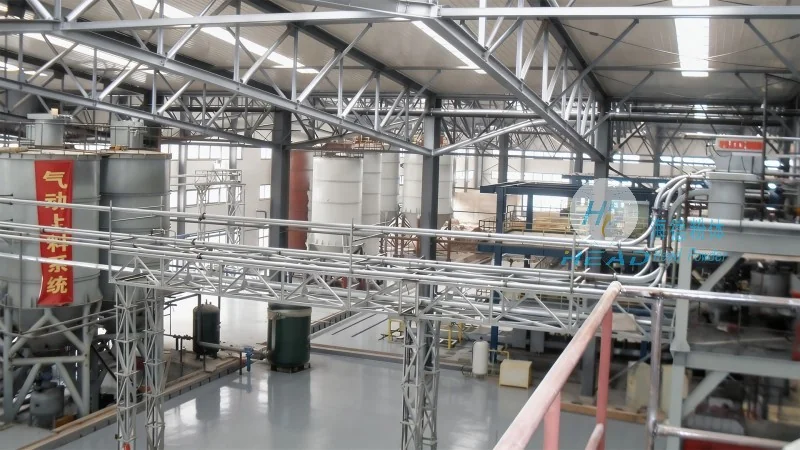
The design principles of a cotton fiber powder conveying machine are centered on maximizing efficiency, minimizing material loss, and ensuring safety. One of the fundamental principles is the use of gentle handling mechanisms to prevent damage to the cotton fibers. Cotton fibers are delicate and can easily break or become entangled if subjected to excessive force or friction. Therefore, the conveying system is designed with smooth surfaces and low-speed operation to minimize mechanical stress. The hopper and feeding mechanisms are also constructed with materials that are non-abrasive and resistant to moisture, as cotton fibers are sensitive to environmental factors. Another key design principle is the prevention of material segregation and clumping. Cotton fibers can easily form lumps, which can obstruct the conveying system and reduce efficiency. To address this, the machine incorporates features such as agitators or vibration systems that break up clumps and ensure uniform material flow. The design also considers the need for easy maintenance and cleaning. The components are arranged in a way that allows for quick access to parts that may require cleaning or replacement, reducing downtime and maintenance costs. Additionally, the machine is designed to comply with safety standards, including proper ventilation to prevent dust accumulation and protective guards to prevent accidental contact with moving parts.
Applications and Benefits of Cotton Fiber Powder Conveying Machines
Cotton fiber powder conveying machines are widely used in various industries, including textile manufacturing, food processing, and pharmaceuticals. In the textile industry, these machines are essential for transporting raw cotton fibers to spinning machines, ensuring a continuous supply of material for yarn production. The consistent flow of cotton fibers improves the quality of the final product, as it reduces variations in fiber length and texture. In food processing, cotton fiber powders are used as a natural ingredient in products such as dietary supplements and cosmetics. The conveying machine ensures that the cotton fibers are handled hygienically and efficiently, maintaining product quality and safety. In the pharmaceutical industry, cotton fiber powders are used in the production of medical devices and wound dressings. The machine's design ensures that the material is handled in a sterile environment, preventing contamination and ensuring compliance with regulatory standards. The benefits of using a cotton fiber powder conveying machine extend beyond efficiency and quality. These machines reduce labor costs by automating the material handling process, allowing operators to focus on other tasks. They also minimize material waste by preventing overloading and ensuring precise control over the flow rate. Furthermore, the machines contribute to a safer working environment by reducing the need for manual handling of bulk materials, which can be heavy and cumbersome.
Conclusion: Choosing the Right Cotton Fiber Powder Conveying Machine
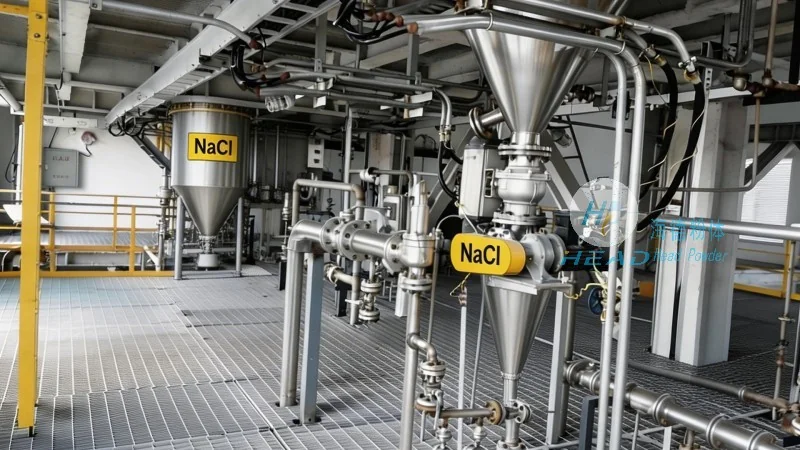
Selecting the appropriate cotton fiber powder conveying machine is critical for optimizing material handling in cotton fiber processing operations. The choice of machine depends on several factors, including the volume of material to be handled, the specific characteristics of the cotton fibers (such as moisture content and particle size), and the operational requirements of the production line. It is essential to consider the design principles and components of the machine to ensure it meets the unique needs of the application. By investing in a high-quality cotton fiber powder conveying machine, industries can enhance their operational efficiency, improve product quality, and reduce maintenance costs. The expertise of manufacturers like Shandong HeadPowder Engineering Co., Ltd. can provide valuable guidance in selecting and implementing the right equipment for cotton fiber processing. With their focus on innovative design and reliable performance, these machines offer a sustainable solution for efficient cotton fiber handling, supporting the growth and success of industries that rely on cotton fiber powders.