

What is a Yellow Sand Powder Conveying Line? And What Are Its Design Principles?
For industries dealing with bulk materials like yellow sand, efficient and reliable powder conveying systems are crucial for maintaining production efficiency and safety. The yellow sand powder conveying line, a specialized equipment solution, is designed to handle the transportation of fine powders such as yellow sand with precision and minimal loss. This article explores the fundamental aspects of this system, focusing on its design principles and practical applications.
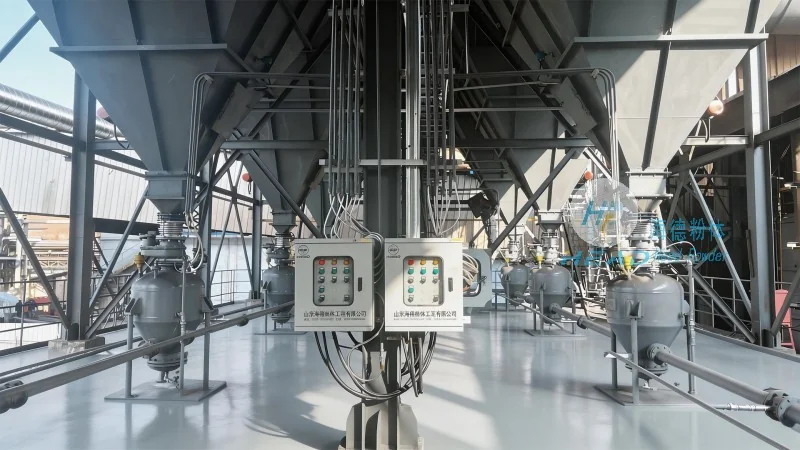
Introduction to the Yellow Sand Powder Conveying Line
Developed by Shandong HeadPowder Engineering Co., Ltd., a leading manufacturer in the field, the yellow sand powder conveying line is engineered to address the unique challenges of transporting fine powders. The system integrates advanced technologies to ensure consistent flow, reduce material degradation, and enhance overall operational stability. By understanding the core components and design philosophy, users can appreciate how this equipment optimizes material handling processes in various industrial settings.
Key Design Principles of the Yellow Sand Powder Conveying Line
The design of the yellow sand powder conveying line is built on several critical principles that ensure its effectiveness and reliability. Firstly, the system emphasizes airtight and sealed conveying to prevent dust leakage and environmental contamination. This is achieved through robust sealing mechanisms and high-quality materials that maintain a consistent pressure differential throughout the conveying process. Secondly, the use of low-speed, high-volume conveying methods minimizes material degradation and particle breakage, which is essential for maintaining the quality of yellow sand and other fine powders. The system also incorporates adjustable speed controls and flow meters to allow for precise control over the material flow rate, adapting to varying production demands.
Components and Working Mechanism
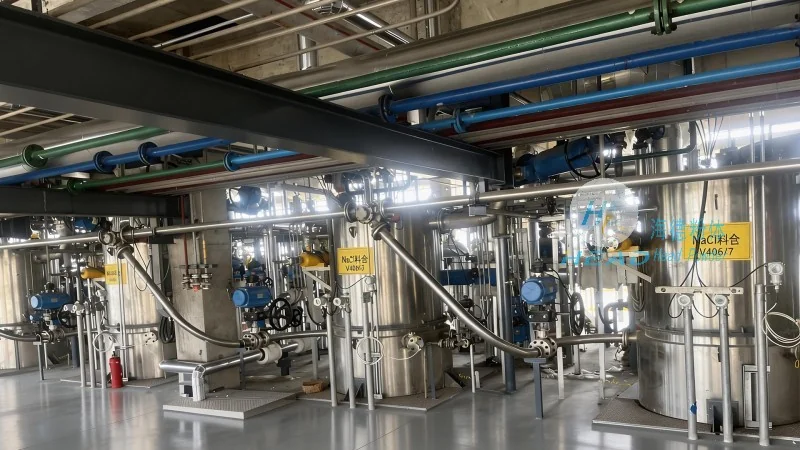
The yellow sand powder conveying line typically consists of several key components, each playing a vital role in the overall operation. The primary components include a hopper for material storage, a rotary valve or feeder to control the material flow into the conveying line, a pipeline system (often made of stainless steel or other corrosion-resistant materials) to transport the powder, and a receiver or discharge hopper at the end of the line. The system operates by creating a negative pressure or positive pressure environment within the pipeline, depending on the specific design. The material is then drawn or pushed through the pipeline using air or a carrier gas, ensuring a smooth and continuous flow. The rotary valve acts as a gate to regulate the intake of material from the hopper, while the receiver collects the material at the discharge end, preventing any spillage or loss.
Advantages and Benefits
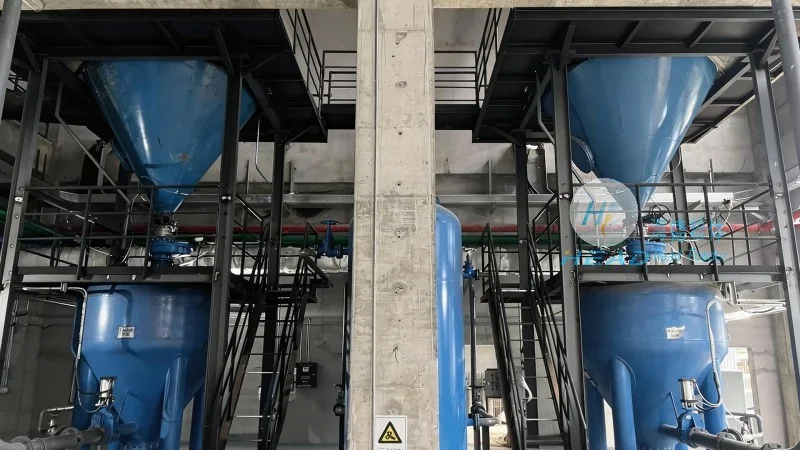
Implementing a yellow sand powder conveying line offers numerous advantages for industrial operations. One of the most significant benefits is the reduction in labor costs associated with manual handling of bulk materials. The automated system minimizes the need for manual loading and unloading, reducing the risk of human error and improving safety in the workplace. Additionally, the system enhances production efficiency by ensuring a consistent and continuous flow of material, which is critical for maintaining steady production rates. The low-speed conveying method also helps in preserving the quality of the yellow sand, as it minimizes particle attrition and prevents the formation of dust clouds that could affect air quality and worker health. Furthermore, the airtight design of the system reduces the risk of dust explosions and improves overall environmental compliance, making it a safer and more sustainable solution for material handling.
Applications and Industries
The yellow sand powder conveying line is widely used in various industries that require the handling of fine powders. In the construction industry, it is commonly used for transporting sand and other aggregates for concrete production. The mining industry also utilizes this system for transporting ore and other minerals from processing facilities to storage or further processing units. The chemical industry benefits from the system's ability to handle powders with varying moisture content and chemical properties, ensuring safe and efficient material transfer. Additionally, the food and pharmaceutical industries use the yellow sand powder conveying line for transporting ingredients and raw materials, where hygiene and product purity are paramount. The versatility of the system makes it suitable for a wide range of applications, from small-scale operations to large industrial plants.