

What is a Rice Flour Powder Conveying Line? And What Are Its Design Principles?
When it comes to the efficient handling and transportation of bulk materials like rice flour and other fine powders, specialized equipment is essential. A rice flour powder conveying line, also known as a powder conveying system, is a critical component in industrial processes that require the reliable movement of these fine materials from one point to another. This article explores the fundamental aspects of such a system, including its design principles and the key elements that make it effective for applications in the food processing and powder handling industries.
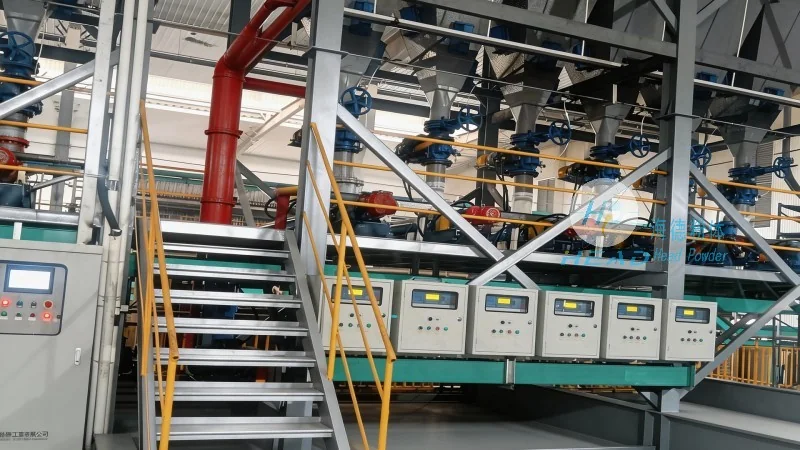
Understanding the Core Components of a Rice Flour Powder Conveying Line
A rice flour powder conveying line typically consists of several interconnected components that work together to ensure the smooth and efficient transfer of material. The primary components include a hopper for material storage, a conveyor system (such as a screw conveyor or pneumatic conveyor), and control mechanisms to regulate the flow. The hopper is designed to hold the bulk material, ensuring a consistent feed to the conveyor. The conveyor itself is engineered to handle the specific characteristics of rice flour, such as its fine particle size and potential for static electricity, which can affect material flow and system performance.
The Design Principles Behind Efficient Powder Conveying
The design of a rice flour powder conveying line is guided by several key principles aimed at maximizing efficiency, minimizing material loss, and ensuring safety. One of the most important principles is the prevention of material segregation and bridging. Segregation occurs when different particle sizes or densities separate during transport, leading to uneven flow and potential blockages. To address this, the conveying system is designed with features like inclined chutes and agitators that help maintain a uniform mixture. Bridging, where material forms a solid plug in the hopper or conveyor, is another challenge. The design incorporates anti-bridging features, such as vibration mechanisms or air jets, to prevent this and ensure continuous operation.
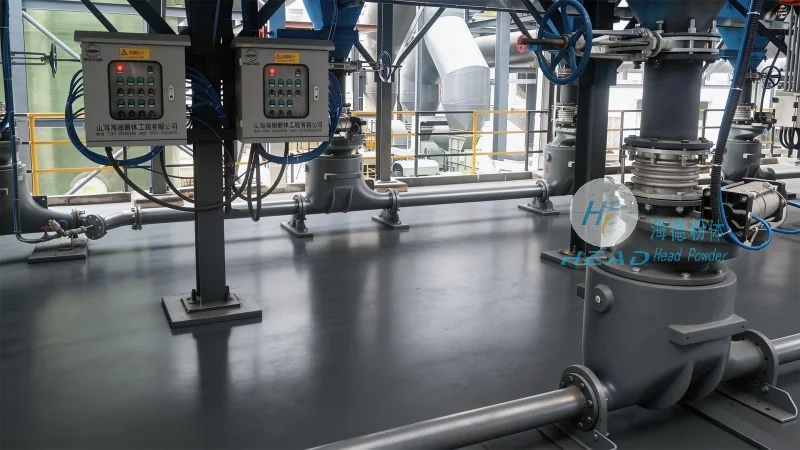
Handling Challenges Specific to Rice Flour and Fine Powders
Conveying rice flour and other fine powders presents unique challenges compared to bulkier materials. Fine powders are prone to static electricity, which can cause material to cling to surfaces and create dust hazards. The design of the conveying line addresses this by incorporating grounding and anti-static measures, such as metal conductive components and grounding straps. Additionally, the fine nature of the powder makes it susceptible to caking and agglomeration, which can lead to blockages. The system is engineered with smooth surfaces and gentle handling mechanisms to prevent this, ensuring that the material remains in a free-flowing state throughout the process.
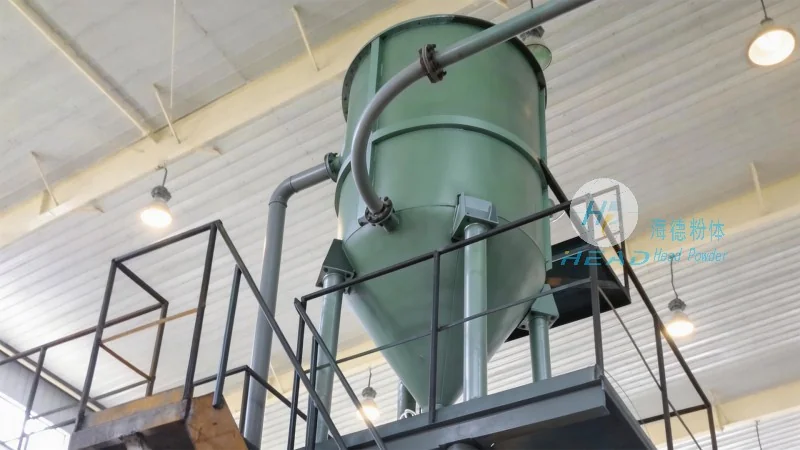
HeadPowder's Expertise in Designing Custom Conveying Solutions
Shandong HeadPowder Engineering Co., Ltd. specializes in the design and manufacturing of advanced powder conveying systems tailored to the specific needs of the food processing and powder handling industries. With years of experience in the field, HeadPowder understands the unique challenges associated with handling fine materials like rice flour and has developed innovative solutions to overcome them. The company's team of engineers works closely with clients to understand their operational requirements and provides customized conveying lines that meet their exact specifications. By focusing on the design principles mentioned above, HeadPowder ensures that their systems are not only efficient but also safe and reliable for long-term use.
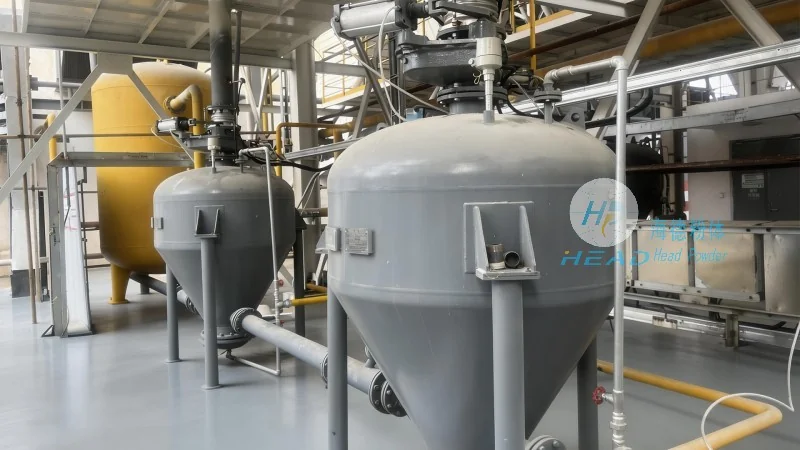
Key Features of a High-Performance Rice Flour Powder Conveying Line
A high-performance rice flour powder conveying line from HeadPowder is equipped with several features that enhance its functionality and durability. These include a robust hopper with a large capacity to accommodate bulk material, a flexible conveyor system that can be adjusted for different material types, and advanced control systems that allow for precise regulation of the conveying process. The system also incorporates cleaning mechanisms to prevent material buildup and maintain hygiene standards, which is crucial in food processing applications. Additionally, the use of high-quality materials, such as stainless steel, ensures that the equipment is resistant to corrosion and easy to clean, extending its operational life.
Conclusion: The Importance of a Well-Designed Conveying Line
In conclusion, a rice flour powder conveying line is a critical piece of equipment for industries that handle fine materials like rice flour. The design principles and components discussed in this article are essential for ensuring the efficient and safe transfer of material. By understanding these principles and working with a reputable company like Shandong HeadPowder Engineering Co., Ltd., businesses can invest in a conveying system that meets their needs and contributes to the overall success of their operations. The key is to prioritize the specific challenges of handling fine powders and design a system that addresses them effectively, leading to improved productivity and reduced downtime.