

What is a Phosphate Iron Powder Conveying Equipment? What Are Its Design Principles?
Phosphate iron powder conveying equipment plays a crucial role in the handling and transportation of phosphate iron powder, a material widely used in various industrial applications such as battery production, chemical processing, and material science research. The efficient and reliable operation of these systems is essential for maintaining production efficiency and ensuring product quality. This article aims to provide a comprehensive overview of what phosphate iron powder conveying equipment is and the underlying design principles that govern its functionality.
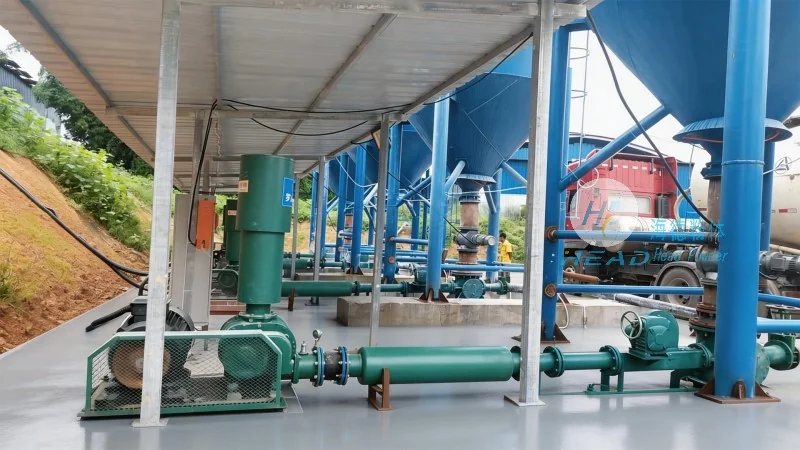
About Shandong HeadPowder Engineering Co., Ltd.
HeadPowder, as the name suggests, is a leading manufacturer and supplier of specialized powder handling equipment. With a strong presence in the industry, the company is dedicated to providing high-quality solutions tailored to the unique needs of its clients. HeadPowder is headquartered in Shandong, China, a region known for its robust industrial infrastructure and advanced manufacturing capabilities. The company's commitment to innovation and customer satisfaction has established it as a trusted partner for businesses seeking reliable powder conveying solutions.
Design Principles of Phosphate Iron Powder Conveying Equipment
The design of phosphate iron powder conveying equipment is based on several key principles that ensure optimal performance and safety. One of the primary considerations is the material's properties, such as its particle size, density, and flow characteristics. Phosphate iron powder is typically a fine, abrasive material that requires specialized equipment to handle without degradation or contamination. The design incorporates features like smooth surfaces, minimal dead zones, and appropriate sealing mechanisms to prevent material buildup and maintain cleanliness.
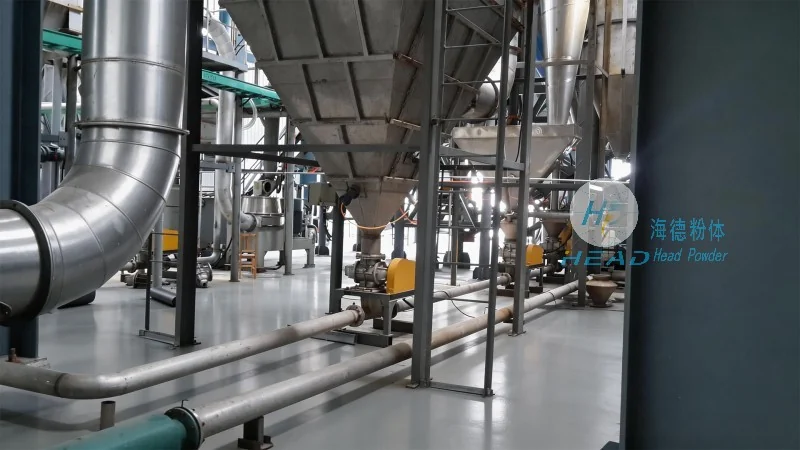
Another critical principle is the selection of appropriate conveying methods. Common techniques include pneumatic conveying, mechanical screw conveyors, and vacuum systems. Each method has its advantages and is chosen based on factors like the required conveying distance, material characteristics, and operational requirements. For example, pneumatic conveying is often used for long-distance transport and can handle fine powders effectively, while mechanical screw conveyors are suitable for short-distance and bulk material handling.
Control systems are also a vital component of the design. Modern phosphate iron powder conveying equipment is equipped with advanced control panels that allow for precise regulation of flow rates, pressure, and temperature. These systems help maintain consistent material handling and prevent issues like overloading or blockages. Additionally, safety features such as emergency stop buttons, pressure relief valves, and material detection sensors are integrated to ensure safe operation and protect both personnel and equipment.
Key Components and Their Functions
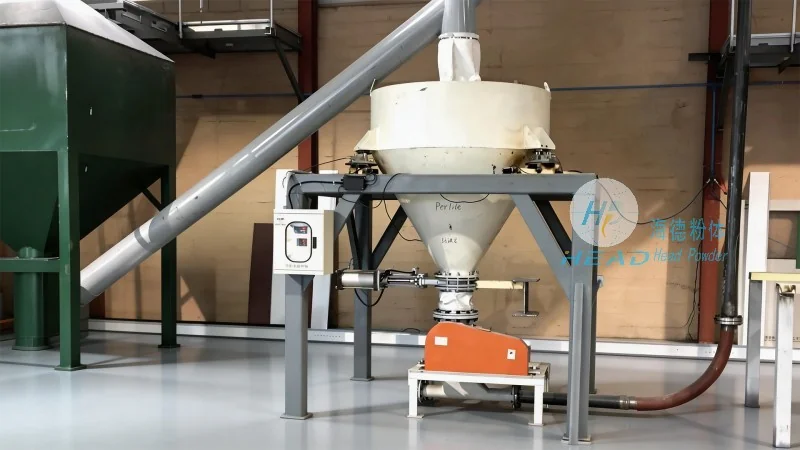
Phosphate iron powder conveying equipment consists of several key components, each playing a specific role in the overall system. The main components include the hopper, conveyor, control unit, and discharge system. The hopper is responsible for storing the phosphate iron powder and feeding it into the conveyor system. It is designed with a sloped bottom to facilitate smooth material flow and prevent clogging. The conveyor, which can be pneumatic or mechanical, transports the powder from the hopper to the discharge point. The control unit manages the operation of the conveyor, ensuring that the flow rate and pressure are maintained at optimal levels. The discharge system then delivers the powder to the next stage of the production process, such as mixing or packaging.
Each component is carefully selected and engineered to handle the specific characteristics of phosphate iron powder. For instance, the hopper may be lined with wear-resistant materials to withstand the abrasive nature of the powder. The conveyor may use special seals and bearings to minimize friction and prevent material leakage. The control unit may incorporate sensors to monitor the system's performance and alert operators to any issues that may arise.
Applications of Phosphate Iron Powder Conveying Equipment
Phosphate iron powder conveying equipment is used in a wide range of applications across various industries. In the battery industry, for example, these systems are essential for transporting phosphate iron powder used in the production of lithium-ion batteries. The high purity and consistent quality of the powder are critical for battery performance, and the conveying equipment ensures that the material is handled without contamination or degradation. In chemical processing, the equipment is used to transport phosphate iron powder in the manufacturing of fertilizers, pigments, and other chemical products. The ability to handle fine powders efficiently and safely is crucial for maintaining product quality and reducing waste.
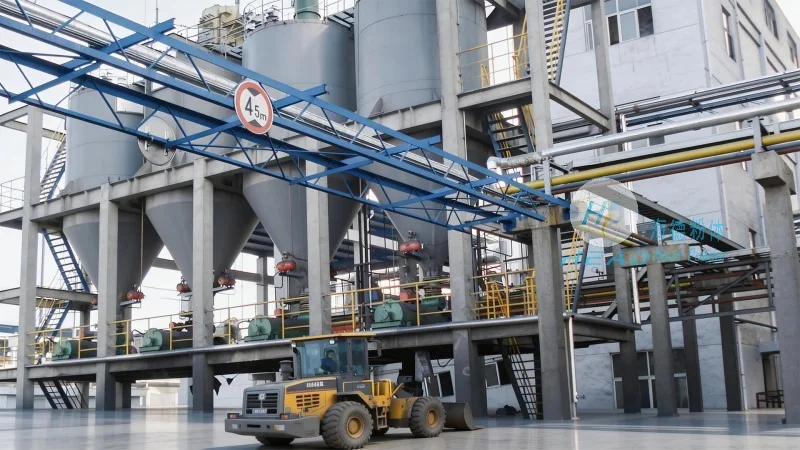
In material science research, phosphate iron powder conveying equipment is used to transport samples for testing and analysis. The equipment's precision and reliability allow researchers to obtain accurate results and ensure the integrity of the samples. Additionally, in the pharmaceutical industry, the equipment is used to handle phosphate iron powder used in the production of certain medications. The strict safety and hygiene requirements of the pharmaceutical industry make the use of specialized conveying equipment essential.
Conclusion
Phosphate iron powder conveying equipment is a critical component in the handling and transportation of phosphate iron powder, a material with diverse industrial applications. The design principles and components of these systems are carefully engineered to ensure efficient, safe, and reliable operation. Companies like Shandong HeadPowder Engineering Co., Ltd. play a vital role in providing high-quality solutions that meet the specific needs of their clients. By understanding the design principles and applications of these systems, businesses can improve their production processes and enhance overall operational efficiency.