

What is a Wet Sodium Nitrate Material Handling System? What are the Design Principles?
Wet sodium nitrate material handling systems are specialized industrial solutions designed to transport and manage wet sodium nitrate, a critical chemical compound used in various industries such as fertilizer production, explosives manufacturing, and chemical processing. These systems are engineered to handle the unique challenges posed by wet sodium nitrate, including its hygroscopic nature, potential for corrosion, and the need for precise control during material transfer. The design of such systems is crucial for ensuring safety, efficiency, and compliance with industrial standards.
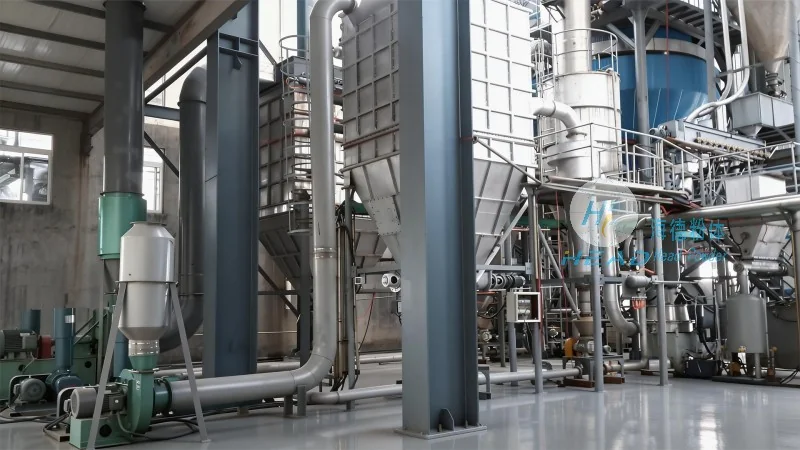
About Shandong HeadPowder Engineering Co., Ltd.
Shandong HeadPowder Engineering Co., Ltd., commonly known as HeadPowder, is a leading manufacturer and supplier of advanced material handling equipment. With a strong presence in China, particularly in Shandong province, the company specializes in developing customized solutions for challenging material handling applications. HeadPowder’s expertise lies in understanding the specific requirements of industries dealing with hazardous or difficult-to-handle materials, ensuring that their systems are robust, reliable, and tailored to meet client needs.
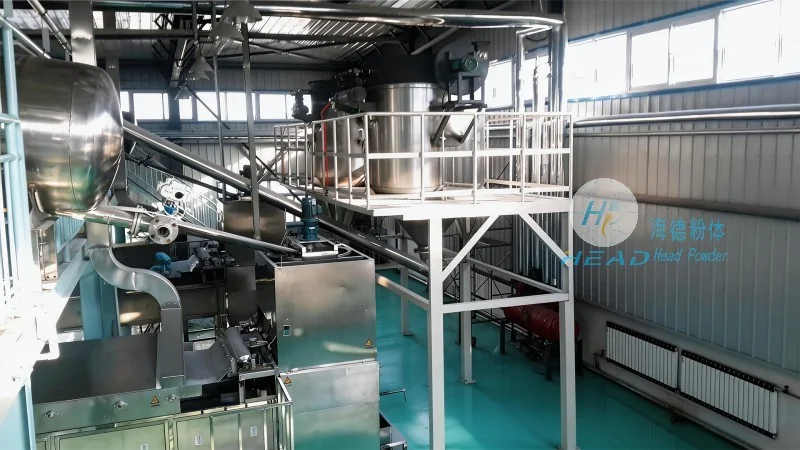
Overview of Wet Sodium Nitrate Material Handling Systems
Wet sodium nitrate material handling systems typically consist of several key components that work in tandem to ensure efficient and safe material transfer. These components may include bulk material feeders, conveyor systems (such as belt conveyors or screw conveyors), storage silos, and discharge mechanisms. The system is designed to handle wet sodium nitrate, which often contains moisture and may be in a slurry or semi-solid state, requiring specialized equipment to prevent clogging and maintain consistent flow rates.
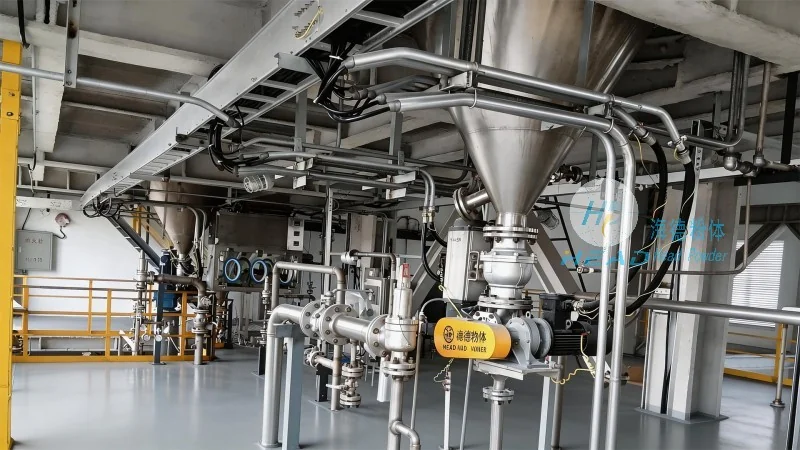
Key Design Principles for Wet Sodium Nitrate Systems
The design of wet sodium nitrate material handling systems follows several fundamental principles aimed at ensuring operational safety, durability, and efficiency. One of the primary principles is the use of corrosion-resistant materials, as sodium nitrate can be aggressive to certain metals. Stainless steel, special alloys, or coated components are commonly used to protect against corrosion and extend the system’s lifespan. Another critical principle is the implementation of effective sealing and containment measures to prevent dust and moisture from escaping, which is essential for maintaining environmental safety and product quality.
Material Handling Efficiency and Control
Efficient control of material flow is a key aspect of wet sodium nitrate systems. Advanced control systems, often integrated with sensors and automation, allow for precise regulation of feed rates, pressure, and temperature. This not only optimizes the material handling process but also minimizes waste and ensures consistent product quality. The systems are also designed to handle variations in material consistency, such as changes in moisture content or particle size, without compromising performance.
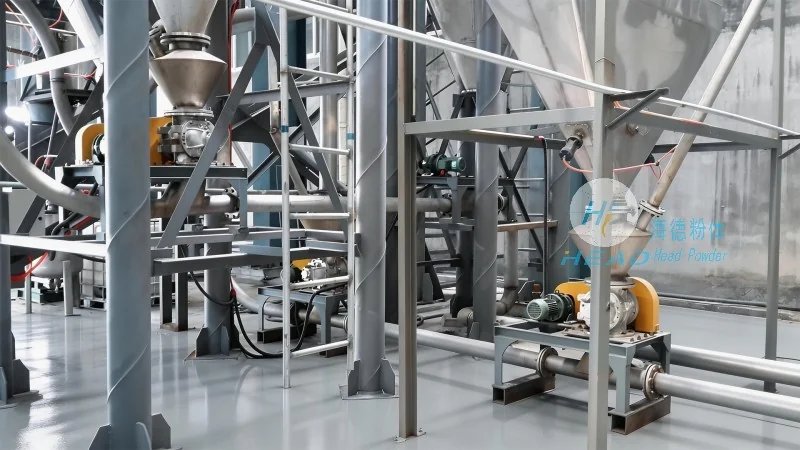
Safety and Compliance Considerations
Given the hazardous nature of sodium nitrate, safety is a top priority in the design and operation of these systems. Proper ventilation, explosion-proof components, and emergency shutdown mechanisms are integral parts of the system design. Additionally, compliance with local and international regulations regarding chemical handling and environmental protection is ensured through rigorous testing and adherence to industry standards. HeadPowder’s systems are engineered to meet these safety and compliance requirements, providing peace of mind to clients operating in regulated environments.