

What is a PTFE Material Handling System? Understanding Its Design Principles
When discussing industrial material handling solutions, one material stands out for its exceptional properties: polytetrafluoroethylene (PTFE). This versatile polymer is widely used in various applications due to its non-stick, chemical resistance, and thermal stability. A PTFE material handling system leverages these characteristics to efficiently transport and process materials in demanding environments. In this article, we explore what such a system entails and the underlying design principles that make it effective.
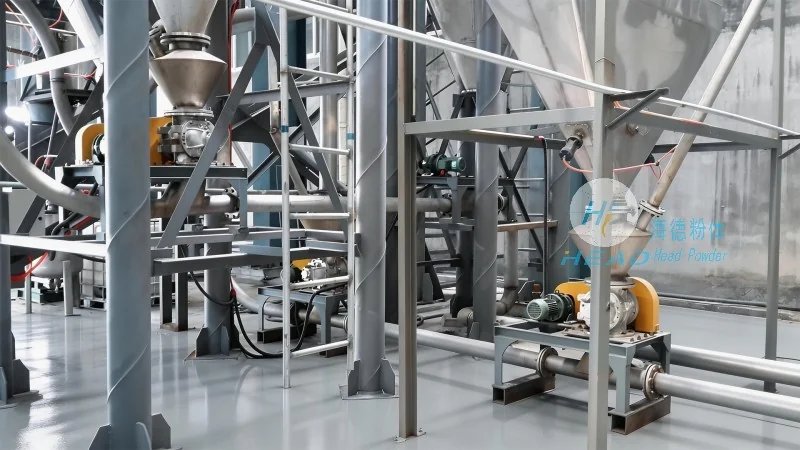
Understanding the PTFE Material Handling System
At its core, a PTFE material handling system is a specialized setup designed to handle materials using PTFE components. These components can include conveyor belts, pipes, valves, and other equipment that are made from or coated with PTFE. The primary goal is to ensure smooth material flow while minimizing friction, contamination, and wear. The system is particularly suitable for industries dealing with aggressive chemicals, high temperatures, or sensitive materials that require a non-reactive surface.
Key Design Principles of PTFE Material Handling Systems
The effectiveness of a PTFE material handling system hinges on several critical design principles. First, the selection of PTFE grades is crucial. Different PTFE types offer varying mechanical strength, thermal resistance, and chemical compatibility. For instance, PTFE with added fillers may enhance wear resistance, while PTFE with improved low-temperature flexibility is suitable for cryogenic applications. Second, the system's configuration must consider the material's physical properties. For example, if the material is abrasive, the PTFE components may be reinforced with glass fibers or other materials to extend their lifespan. Third, the system's sealing and joint design is vital to prevent leaks and maintain the integrity of the material being transported. PTFE's inherent self-lubricating properties reduce the need for external lubricants, which is beneficial in environments where lubricants could contaminate the product.
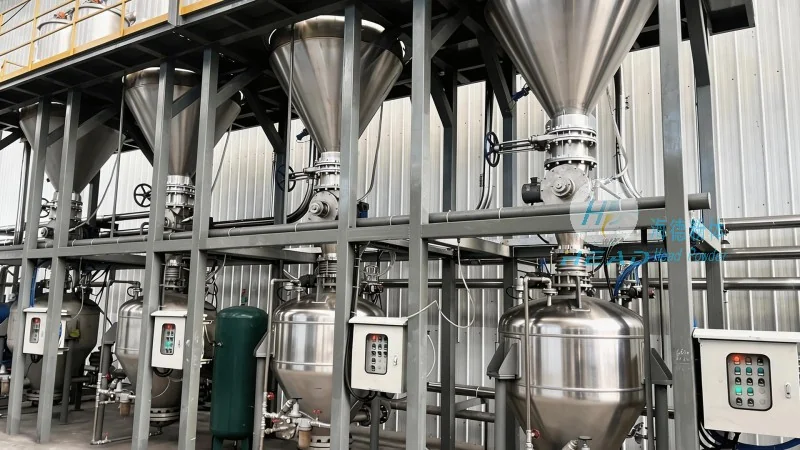
Components and Applications
PTFE material handling systems consist of several key components, each playing a vital role in the overall operation. The most common components include PTFE conveyor belts, which are ideal for transporting powders, granules, and other bulk materials without sticking. PTFE pipes and fittings are used for fluid transport, especially in chemical processing plants where corrosion resistance is paramount. PTFE valves and pumps are designed to handle aggressive fluids without degradation. These components are often integrated into larger systems, such as pneumatic conveying lines or screw conveyors, to create a comprehensive material handling solution.
Applications of PTFE material handling systems span multiple industries. In the chemical industry, they are used to transport corrosive chemicals and solvents. In the pharmaceutical sector, PTFE systems ensure that materials remain sterile and free from contamination. The food and beverage industry also benefits from PTFE systems, as they can handle food products without imparting flavors or odors. Additionally, in the semiconductor and electronics industries, PTFE systems are used to transport sensitive materials in cleanroom environments, where contamination control is critical.
Advantages of PTFE Material Handling Systems
One of the primary advantages of PTFE material handling systems is their chemical resistance. PTFE can withstand exposure to a wide range of chemicals, including acids, bases, and solvents, without degradation. This makes it an ideal choice for industries dealing with hazardous materials. Another advantage is the low friction coefficient of PTFE, which reduces energy consumption and wear on components. The material's non-stick surface prevents material buildup, ensuring consistent flow and preventing clogs. Furthermore, PTFE is thermally stable, operating effectively from cryogenic temperatures to high heat. This thermal resistance is crucial in applications involving hot or cold materials. The system's durability and long service life also contribute to its cost-effectiveness, as it requires less maintenance and replacement compared to traditional materials.
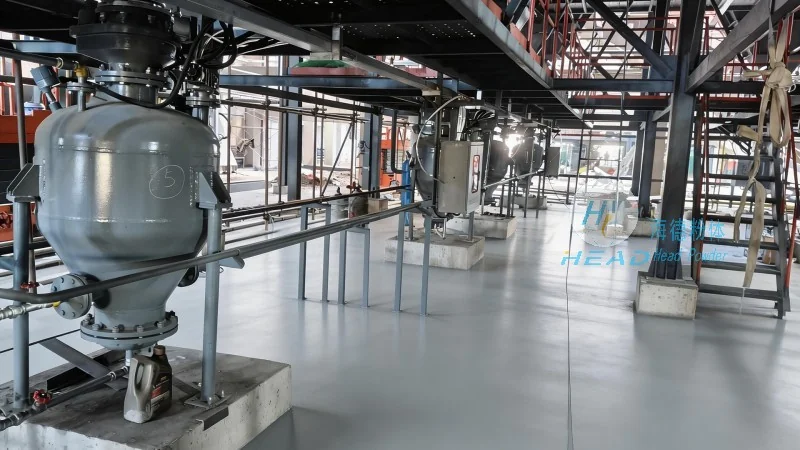
Design Considerations and Customization
Designing a PTFE material handling system involves careful consideration of several factors. The first consideration is the material being handled. The system must be tailored to the specific properties of the material, such as its particle size, moisture content, and flow characteristics. For example, a system handling fine powders may require a different conveyor belt design compared to one handling larger granules. Second, the operating environment must be considered. Factors like temperature, pressure, and exposure to chemicals will influence the choice of PTFE grade and component design. For instance, in high-temperature applications, a PTFE grade with enhanced thermal stability may be used. Third, the system's integration with existing infrastructure is important. The design must ensure compatibility with existing equipment and processes to minimize disruption during implementation.
Customization is a key aspect of PTFE material handling systems. Manufacturers, such as Shandong HeadPowder Engineering Co., Ltd., based in China, offer tailored solutions to meet specific customer needs. These companies can design and manufacture components that are optimized for a particular application, ensuring maximum efficiency and performance. Customization may include modifying conveyor belt widths, adjusting pipe diameters, or incorporating specialized valves and fittings. The ability to customize the system allows industries to address unique challenges and achieve optimal results.