

What Are Continuous Metering Feeding Material Handling Equipment? What Are Their Design Principles?
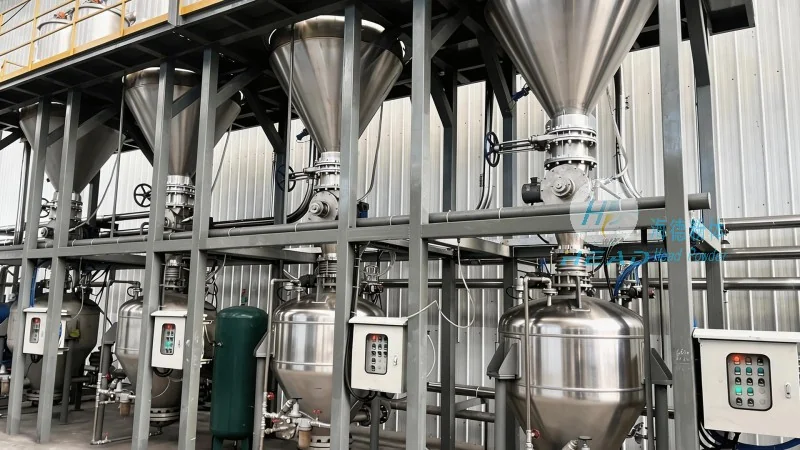
Continuous metering feeding material handling equipment is a specialized type of machinery designed to accurately and consistently feed bulk materials into processing systems. These devices are essential in various industrial sectors, including manufacturing, mining, and chemical processing, where precise material control is critical for operational efficiency and product quality. The primary function of such equipment is to provide a steady, controlled flow of material, ensuring that downstream processes receive the exact amount needed without interruptions or overflows.
Introduction to Continuous Metering Feeding Systems
At the heart of many industrial operations, continuous metering feeding equipment plays a pivotal role in material handling. Unlike batch feeding systems, which deliver material in discrete quantities, continuous feeders operate by providing a constant flow rate. This continuous operation is achieved through mechanisms such as screw conveyors, belt feeders, or vibratory feeders. The goal is to maintain a uniform feed rate, which is crucial for processes like mixing, blending, or packaging where consistent material input is required.
HeadPowder Engineering: A Leader in Material Handling Solutions
Shandong HeadPowder Engineering Co., Ltd., a prominent manufacturer based in China, specializes in the design, development, and production of high-quality continuous metering feeding equipment. With a strong commitment to precision engineering and customer satisfaction, HeadPowder has established itself as a trusted partner for industries seeking reliable material handling solutions. The company's headquarters and primary operations are located in Shandong, China, where it leverages advanced manufacturing technologies and a skilled workforce to deliver innovative products tailored to diverse industrial needs.
Design Principles of Continuous Metering Feeders
The design of continuous metering feeding equipment is guided by several key principles aimed at ensuring accuracy, reliability, and efficiency. One fundamental principle is the maintenance of a consistent material flow rate, achieved through the integration of sensors, control systems, and mechanical components. For example, screw feeders use a rotating screw to push material forward, with the screw speed determining the flow rate. The design must account for factors like material density, particle size, and moisture content, as these variables affect the material's behavior within the feeder.
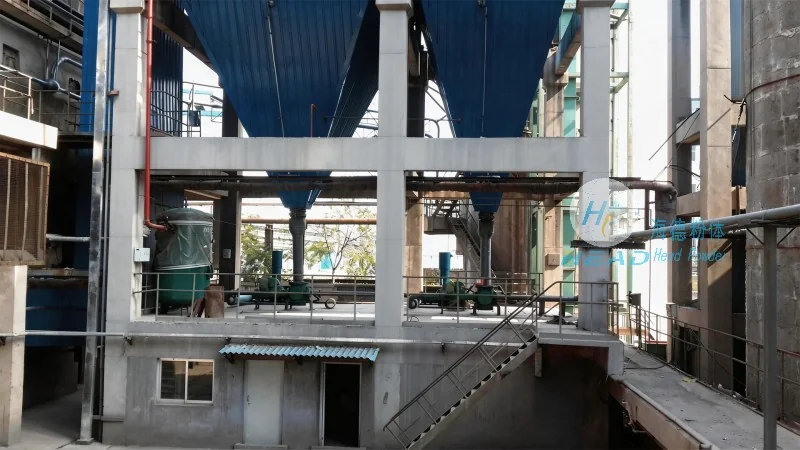
Another critical design principle is the prevention of material bridging or arching, which can disrupt flow and cause uneven feeding. To address this, feeders often incorporate features like vibratory mechanisms or air jets that break up material clumps and ensure smooth movement. Additionally, the construction of the feeder must be robust enough to withstand mechanical stresses of continuous operation, while being easy to clean and maintain for hygiene-sensitive applications.
Key Components and Working Mechanisms
Continuous metering feeders typically consist of several key components working in tandem to achieve precise material control. The primary components include the hopper (storing bulk material), the feeding mechanism (e.g., screw or belt), the control system (regulating speed/position), and the discharge outlet (releasing material into the next process). The hopper is designed to provide a stable material supply, often with a conical or rectangular shape to minimize buildup and ensure uniform flow.
The feeding mechanism is the core of the metering process. In screw feeders, for instance, the screw rotates at a controlled speed, pushing material forward. The screw's pitch and diameter are carefully selected based on material characteristics to achieve the desired flow rate. Belt feeders use a moving belt to transport material, with adjustable speed and tension controls to maintain consistent feeding. Vibratory feeders utilize an oscillating motion to move material, effective for materials that tend to stick together or form arches.
Advantages of Continuous Metering Feeding Equipment
Continuous metering feeding equipment offers numerous advantages over traditional batch feeding methods. One significant benefit is maintaining a constant feed rate, improving process consistency and reducing variability in downstream products—critical in industries like pharmaceuticals or food processing. Another advantage is reduced material waste and overfeeding, as precise dosing minimizes excess material and operational issues. This saves costs and enhances environmental sustainability by reducing waste. Additionally, continuous feeders are more energy-efficient than batch systems, operating at a constant speed with less power consumption.
Applications in Industrial Processes
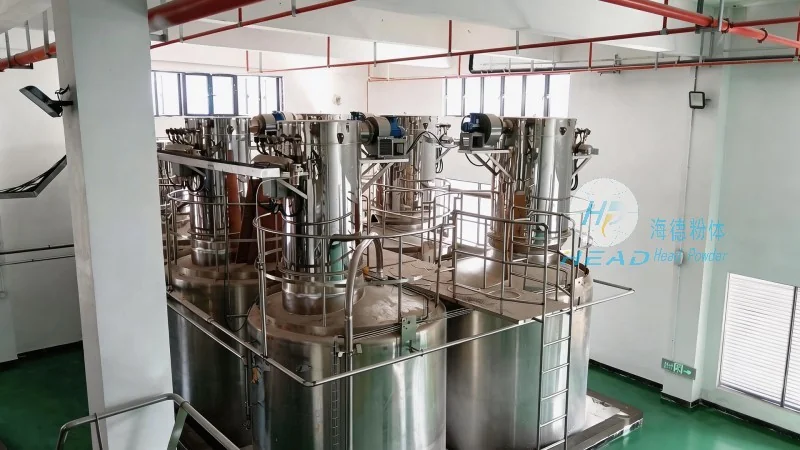
Continuous metering feeding equipment is widely used in diverse industrial processes where precise material control is essential. In manufacturing, these devices are employed in plastic, chemical, and food product production. For example, in plastic processing, continuous feeders deliver raw materials at a consistent rate to extruders or mixers, ensuring uniform product quality. In the chemical industry, they feed raw materials into reactors or mixers, with precise dosing critical for chemical reactions. In mining and mineral processing, they transport and meter ores or coal, optimizing processing and feeding into crushers or conveyors. Similarly, in food processing, continuous feeders feed ingredients into mixers or packaging lines, maintaining consistent product composition and quality.
Maintenance and Operational Considerations
Proper maintenance is essential to ensure long-term performance and reliability of continuous metering feeding equipment. Regular inspections check for wear and tear on components like screws, belts, or vibratory mechanisms. Lubrication of moving parts reduces friction and extends lifespan. Cleaning procedures prevent material buildup and contamination, especially in hygiene-sensitive industries. Operational considerations also include selecting appropriate control systems, such as programmable logic controllers (PLCs) or variable frequency drives (VFDs), to adjust feed rates based on real-time conditions. Proper operator training ensures correct and efficient equipment use.
Future Trends and Innovations
As technology advances, continuous metering feeding equipment is evolving to meet changing industrial needs. Key trends include integration of automation and digitalization, with sensors and data analytics optimizing feed rates and improving process control. Some modern feeders use load cells to measure material weight and adjust feeding speed for precise dosing. Another trend is the development of compact, modular feeders for easy integration into existing production lines, offering flexibility for changing production requirements. Advanced materials in feeder construction, like corrosion-resistant alloys, enhance durability and longevity, especially in harsh industrial environments.