

What is a PVC Pneumatic Conveyor? Understanding Its Design Principles
When it comes to efficient material handling in industrial settings, pneumatic conveying systems offer a versatile and effective solution. Among these, PVC pneumatic conveyors stand out for their durability, flexibility, and suitability for a wide range of applications. This article delves into what a PVC pneumatic conveyor is and explores the fundamental design principles that make it a reliable choice for transporting bulk materials, with insights from Shandong HeadPowder Engineering Co., Ltd., a leading manufacturer based in China.
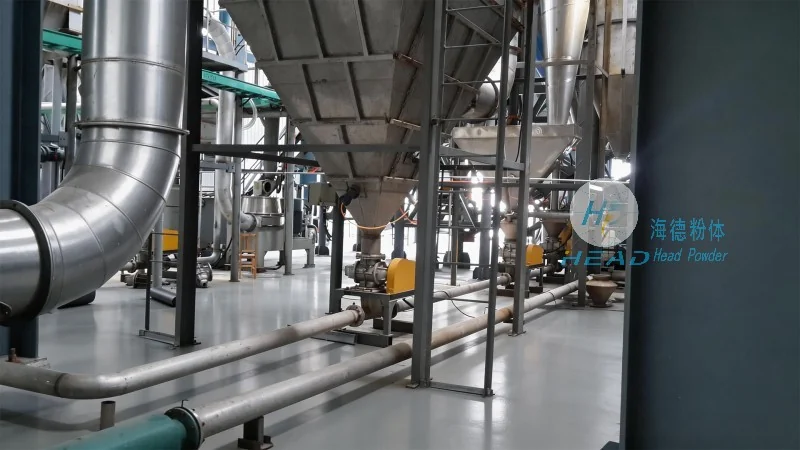
Introduction to PVC Pneumatic Conveyors
A PVC pneumatic conveyor is a type of pneumatic conveying equipment that utilizes plastic pipes, typically made from polyvinyl chloride (PVC), to transport dry bulk materials such as powders, granules, and small particles. Unlike traditional metal or rubber hoses, PVC pipes provide excellent resistance to corrosion, chemicals, and abrasion, making them ideal for handling various materials without degradation. The system operates by using compressed air or gas to create a flow that propels the material through the pipeline. This method eliminates the need for mechanical components like belts or chains, reducing maintenance and increasing operational efficiency.
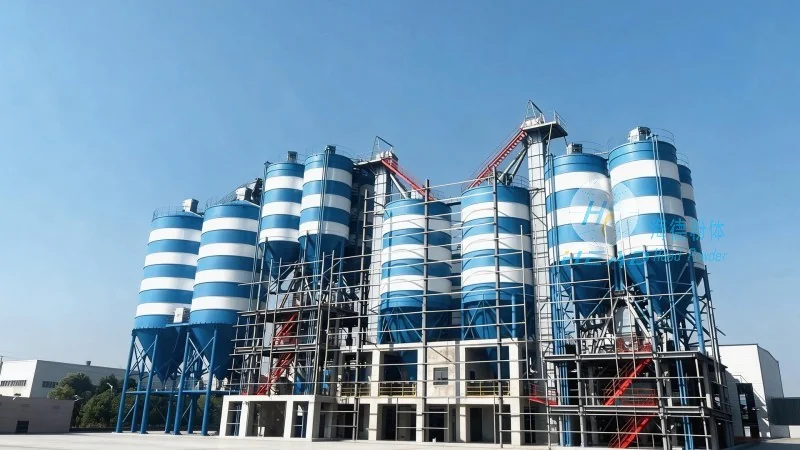
Key Components of a PVC Pneumatic Conveyor System
The effectiveness of a PVC pneumatic conveyor depends on several critical components that work in harmony to ensure smooth material transport. These components include:
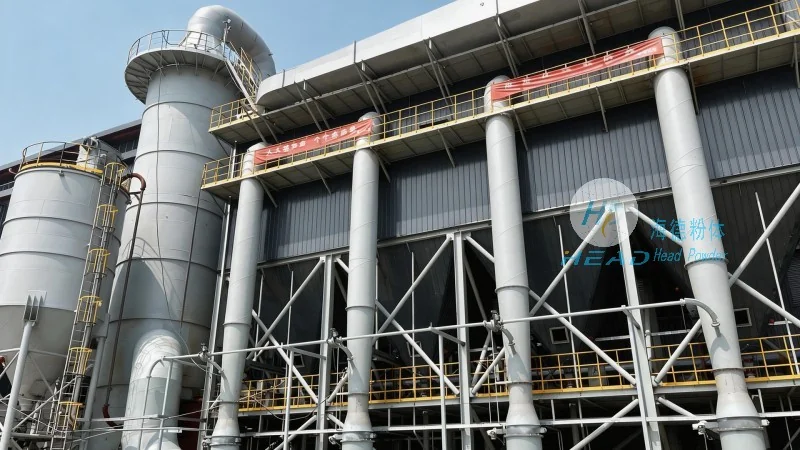
- Feeder: The feeder is responsible for introducing the material into the conveying system. It can be a rotary valve, a star feeder, or a screw feeder, depending on the material's characteristics and flow requirements. The feeder ensures a consistent and controlled feed rate, preventing blockages and maintaining system stability.
- Piping System: The PVC pipes form the core of the conveyor, providing a flexible and durable pathway for the material. The pipes are connected using appropriate fittings, such as elbows, tees, and reducers, to create a continuous pipeline. The choice of pipe diameter and length is crucial, as it directly impacts the conveying velocity and pressure drop.
- Compressor or Blower: This component generates the necessary airflow to move the material. The compressor or blower supplies compressed air or gas, which creates a pressure differential that propels the material through the system. The selection of the compressor depends on the material's density, particle size, and the required conveying distance.
- Separation and Collection Equipment: At the end of the conveying line, separation equipment such as cyclones or filters is used to separate the material from the air stream. The collected material is then discharged into a storage bin or processing unit. This step ensures that the material is delivered in a clean and dry state, ready for further use.
Design Principles of PVC Pneumatic Conveyors
The design of a PVC pneumatic conveyor is based on several key principles that optimize performance and efficiency. These principles include: