

What is a Small Bag Weighing and Feeding Pneumatic Conveying Machine? And What Are Its Design Princi
Small bag weighing and feeding pneumatic conveying machines are specialized industrial equipment designed to handle the precise weighing and feeding of bulk materials from sealed bags. These machines are widely used in various industries, including pharmaceuticals, food processing, and chemical manufacturing, where accuracy and efficiency in material handling are critical. The core function of such equipment is to automate the process of opening bags, weighing the contents, and transferring the material to a downstream process or storage system. This article will explore the fundamental aspects of these machines, focusing on their design principles and operational mechanisms.
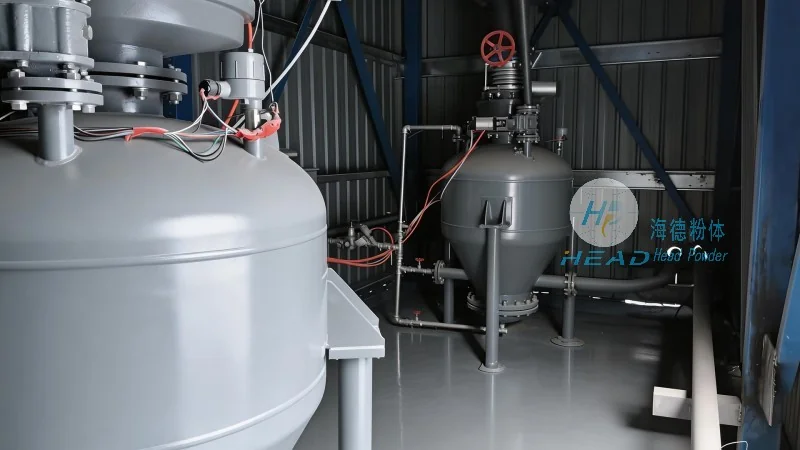
Key Components and Structure
The small bag weighing and feeding pneumatic conveying machine typically consists of several key components that work in tandem to achieve its objectives. The primary components include a bag opening mechanism, a weighing system, a pneumatic conveying system, and a control unit. The bag opening mechanism is responsible for safely and efficiently opening the sealed bags without damaging the material inside. This may involve cutting or tearing the bag's seal, depending on the material and the design of the machine. The weighing system, often an integrated load cell or a separate scale, measures the weight of the material as it is dispensed from the bag. The pneumatic conveying system uses compressed air to transport the material from the weighing hopper to the final destination, such as a mixer, silo, or processing unit. The control unit manages the entire operation, coordinating the timing of bag opening, weighing, and conveying, ensuring that the process runs smoothly and accurately.
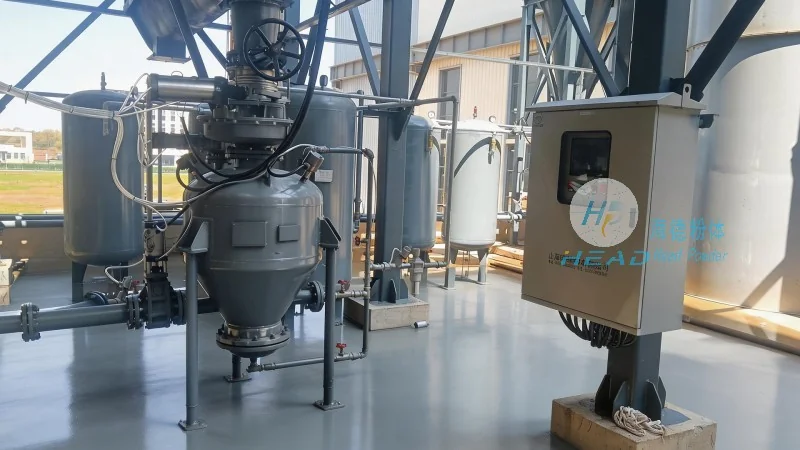
Design Principles of the Weighing System
The weighing system is a critical component of the small bag weighing and feeding machine, as it directly impacts the accuracy of the material transfer. The design of this system typically involves a load cell or a series of sensors that detect the weight of the material as it is poured from the bag. The load cell converts the mechanical force of the material into an electrical signal, which is then processed by the control unit to determine the exact weight. To ensure high accuracy, the weighing system is often equipped with calibration features and may include multiple load cells for redundancy. The design also considers factors such as material flow rate, bag size variations, and the potential for material bridging or clogging, which can affect the weighing accuracy. Advanced systems may incorporate level sensors or flow meters to monitor the material flow and adjust the conveying speed accordingly, further enhancing the precision of the weighing process.
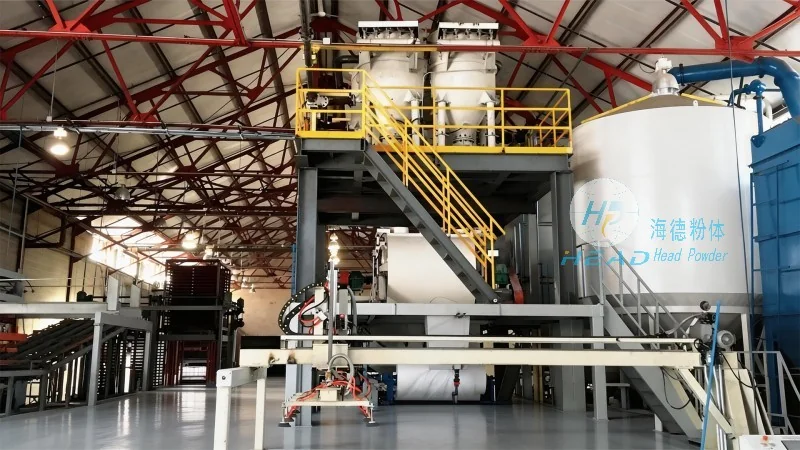
Operation of the Pneumatic Conveying System
The pneumatic conveying system is responsible for transporting the material from the weighing hopper to the downstream process. This system operates on the principle of using compressed air to create a flow of material through a pipeline. The design of the conveying system includes a blower or compressor that generates the necessary air pressure, a hopper or feeder that controls the material flow, and a series of ducts or pipes that direct the material to the destination. The system may use different types of conveying, such as positive or negative pressure, depending on the material characteristics and the distance to be covered. For example, positive pressure conveying uses compressed air to push the material through the pipeline, while negative pressure conveying uses a vacuum to pull the material. The design of the conveying system must consider factors such as material density, particle size, and moisture content, as these can affect the conveying efficiency and the risk of material degradation or clogging. The system is also equipped with features such as check valves, filters, and silencers to ensure smooth operation and prevent backflow or air leaks.
Integration and Control System
The integration of all components into a single machine requires a sophisticated control system that coordinates the various operations. The control system typically includes a programmable logic controller (PLC) or a microprocessor-based controller that manages the timing and sequence of events. The system may be equipped with sensors and feedback mechanisms to monitor the status of each component, such as the bag opening status, the weight measurement, and the conveying speed. The control unit processes this information and adjusts the operation of the machine as needed to maintain accuracy and efficiency. For example, if the weighing system detects that the material is not flowing correctly, the control unit may adjust the air pressure or the flow rate to correct the issue. The control system may also include features such as automatic bag detection, which identifies when a new bag is placed in the machine and initiates the weighing and conveying process. This integration ensures that the machine operates autonomously, with minimal human intervention, and maintains consistent performance over time.
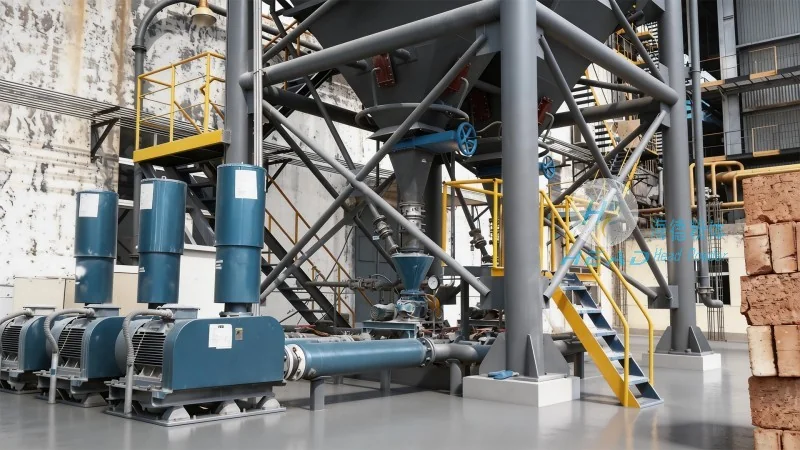
Applications and Benefits
Small bag weighing and feeding pneumatic conveying machines are used in a wide range of applications where precise material handling is essential. In the pharmaceutical industry, these machines are used to handle active pharmaceutical ingredients (APIs) and other sensitive materials, ensuring that the correct dosage is delivered to the final product. In the food processing industry, they are used to handle ingredients such as powders, granules, and spices, maintaining the quality and consistency of the final product. In the chemical manufacturing industry, they are used to handle raw materials and intermediates, ensuring that the correct proportions are used in the production process. The benefits of using these machines include improved accuracy and consistency in material transfer, reduced labor costs, and increased productivity. Additionally, the automated nature of the machine reduces the risk of human error and improves workplace safety. The design of the machine also allows for easy integration with other equipment, such as mixers or reactors, creating a seamless production line.