

What is a Pea Pneumatic Conveying Machine? And What Are Its Design Principles?
Pea pneumatic conveying machines are specialized equipment designed for the efficient and reliable transport of pea seeds or other similar granular materials through an air-based system. These machines are widely used in the agricultural and food processing industries, offering a clean, low-maintenance, and cost-effective solution for moving bulk materials over short to medium distances. The technology behind these systems combines pneumatic principles with mechanical components to create a seamless material handling process.
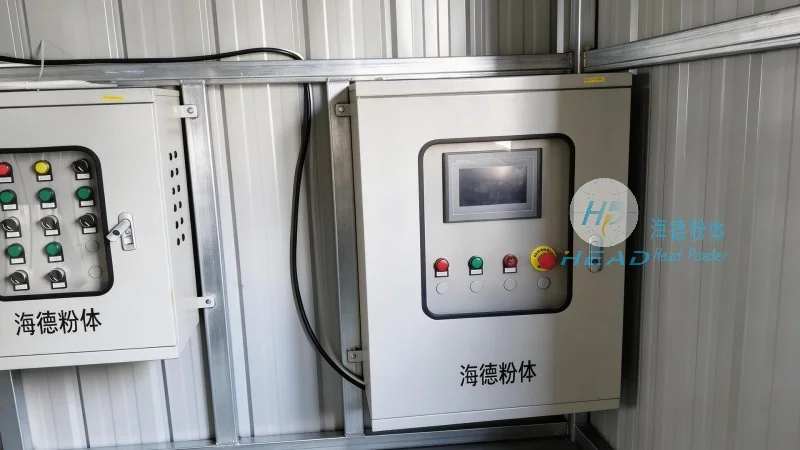
HeadPowder, a leading manufacturer based in Shandong, China, has been at the forefront of developing advanced pneumatic conveying solutions tailored to the specific needs of the pea processing sector. With a deep understanding of the unique characteristics of pea seeds—such as their size, density, and susceptibility to damage—their engineering team designs systems that ensure minimal product degradation while maximizing throughput. The company’s commitment to quality and innovation has positioned it as a trusted partner for businesses seeking to optimize their material handling operations.
Design Principles of Pea Pneumatic Conveying Systems
The core design principle of a pea pneumatic conveying machine is the use of compressed air to create a flow of material within a sealed pipeline. This process, known as pneumatic conveying, involves several key components that work in tandem to achieve efficient transport. The system typically includes a hopper for material storage, a blower or compressor to generate the necessary air pressure, a pipeline network to guide the material, and a receiver or discharge point for the delivered product. The design must account for factors such as the material's particle size, density, and moisture content, as these variables directly impact the air velocity required for effective transport.
For pea seeds, the design often incorporates a combination of positive and negative pressure conveying modes. Positive pressure systems use the blower to push air and material through the pipeline, while negative pressure systems use a vacuum to draw material into the system. The choice between these modes depends on the application requirements, such as the distance to be covered and the need to minimize dust generation. In pea processing, negative pressure is often preferred as it reduces the risk of dust contamination and maintains a cleaner working environment.
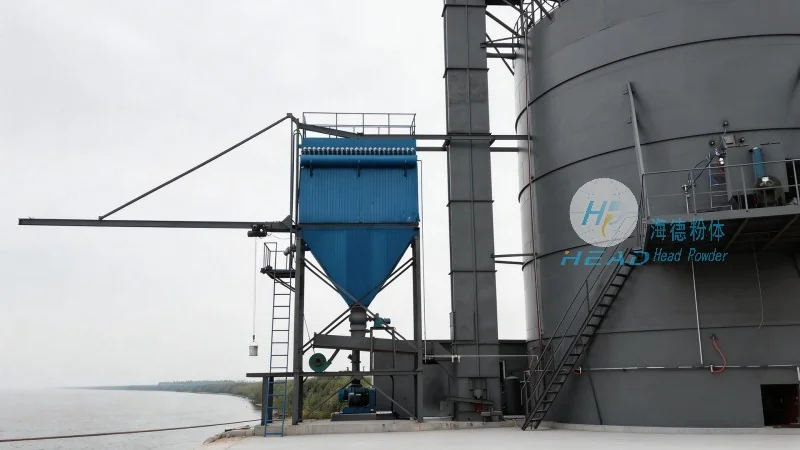
Key Components and Their Function in Pea Pneumatic Conveying
The effectiveness of a pea pneumatic conveying machine relies on the proper integration of several critical components. The hopper serves as the initial storage vessel, equipped with a feeder that regulates the flow of pea seeds into the system. This feeder, often a rotary valve or a screw conveyor, ensures a consistent material feed rate, preventing blockages and maintaining system efficiency. The blower or compressor is the heart of the system, providing the necessary air pressure to move the material. It must be capable of delivering sufficient airflow and pressure to overcome the resistance of the pipeline and the material's drag forces.
The pipeline itself is a crucial element, typically made of durable materials like stainless steel or plastic, to withstand the abrasive nature of pea seeds and resist corrosion. The design of the pipeline includes bends, elbows, and straight sections, all optimized to minimize pressure losses and maintain a smooth flow. Specialized components such as in-line filters and cyclones are often incorporated to remove dust and debris from the air stream, ensuring the material remains clean and the system operates efficiently. The receiver or discharge point is where the pea seeds are collected, often equipped with a silo or storage tank to hold the processed product.
Advantages of Using Pea Pneumatic Conveying Machines
Implementing a pea pneumatic conveying machine offers several advantages over traditional material handling methods. First, it provides a dust-free and hygienic environment, which is critical in food processing applications where product quality and safety are paramount. Unlike mechanical conveyors, which can generate significant dust and require additional cleaning measures, pneumatic systems keep the workspace clean and reduce the risk of contamination. Second, these machines are highly flexible, allowing for easy reconfiguration of the pipeline network to accommodate changes in production processes or facility layouts. This adaptability makes them suitable for both small-scale and large-scale operations.
Another key advantage is the reduced maintenance requirements compared to mechanical systems. Pneumatic conveying systems have fewer moving parts, minimizing the risk of wear and tear and lowering the overall maintenance costs. Additionally, the absence of mechanical components like belts or chains eliminates the need for frequent lubrication and replacement, extending the system's operational life. For pea processing facilities, this translates to lower downtime and higher productivity.
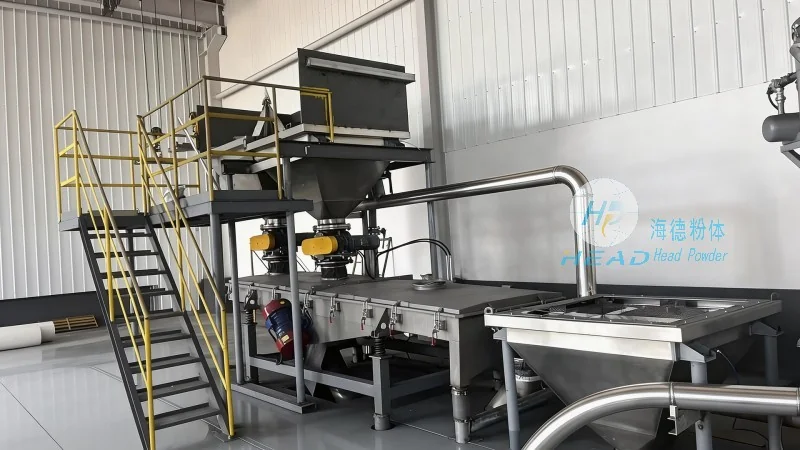
Application Scenarios in Pea Processing
Pea pneumatic conveying machines are widely used in various stages of pea processing, from harvesting and cleaning to packaging and storage. In the initial stages, the machine can be used to transport freshly harvested pea seeds from the field to a processing plant, ensuring a continuous supply of raw material. During cleaning and sorting, the system can efficiently move pea seeds through washing and grading equipment, allowing for precise separation of good and bad seeds. In the final stages, the machine is used to transport processed pea seeds to packaging lines or storage silos, maintaining the product's quality and preventing spoilage.
HeadPowder's pea pneumatic conveying systems are designed to meet the specific demands of each stage in the pea processing workflow. For example, in the cleaning process, the system can be equipped with cyclones to remove dust and debris, ensuring that only clean pea seeds proceed to the next stage. In packaging, the machine can deliver pea seeds to filling machines with minimal product loss and maximum accuracy. The company’s expertise in customizing systems ensures that each installation is optimized for the unique requirements of the client, whether it's a small-scale farm or a large industrial processing facility.
Conclusion: The Role of Pea Pneumatic Conveying Machines in Modern Pea Processing
Pea pneumatic conveying machines represent a significant advancement in material handling technology, offering a reliable, efficient, and cost-effective solution for the transportation of pea seeds. By leveraging the principles of pneumatic conveying, these systems address the challenges of traditional mechanical methods, providing a cleaner, more flexible, and lower-maintenance alternative. HeadPowder, with its commitment to innovation and quality, continues to lead the development of advanced pneumatic conveying solutions that meet the evolving needs of the pea processing industry. As the demand for high-quality pea products grows, the importance of efficient material handling systems like these will only increase, making them an essential component of modern agricultural and food processing operations.