

What is a Fine Material Pneumatic Conveyor? Understanding Its Design Principles
When it comes to handling fine materials efficiently, the fine material pneumatic conveyor has emerged as a critical solution in various industrial applications. This article delves into the fundamental aspects of what a fine material pneumatic conveyor is and explores the underlying design principles that make it an effective choice for material transport. By understanding these elements, businesses can make informed decisions about integrating such systems into their operations.
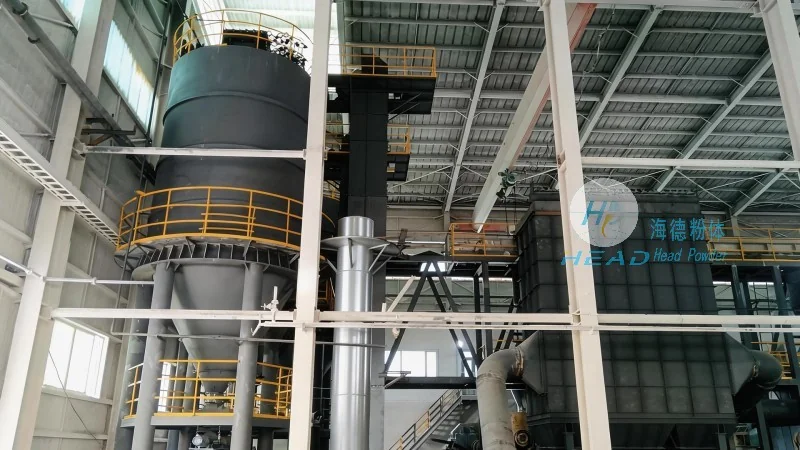
Defining the Fine Material Pneumatic Conveyor
A fine material pneumatic conveyor is a type of equipment designed to transport fine powders and granular materials through a pressurized or vacuum air stream. Unlike traditional mechanical conveyors, which rely on mechanical components like belts or screws, pneumatic conveyors utilize air pressure to move materials. This method is particularly advantageous for handling delicate, abrasive, or moisture-sensitive fine materials that might be damaged or contaminated by mechanical contact. The system typically consists of a feeding unit, a conveying pipeline, a separation unit, and a discharge outlet, all working in tandem to ensure efficient material transport.
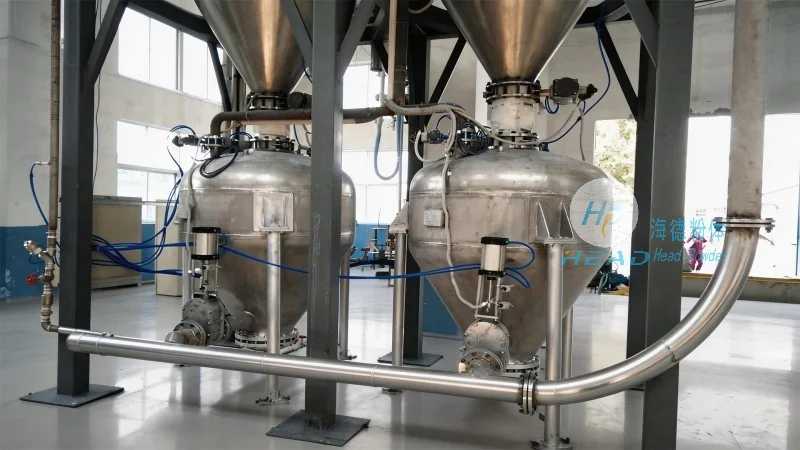
Key Design Principles of Fine Material Pneumatic Conveying Systems
The effectiveness of a fine material pneumatic conveyor is rooted in several key design principles that optimize material handling performance. These principles include the selection of appropriate air velocity, the design of the conveying pipeline, and the integration of efficient separation and filtration components. The air velocity within the pipeline is a critical factor, as it must be sufficient to overcome the resistance of the material and maintain a stable flow without causing excessive wear or degradation of the material. The pipeline design, including its diameter, length, and bends, is also carefully engineered to minimize pressure drop and ensure consistent material transport. Additionally, the separation unit plays a vital role in separating the conveyed material from the air stream, often incorporating cyclones or filters to prevent material loss and maintain air quality.
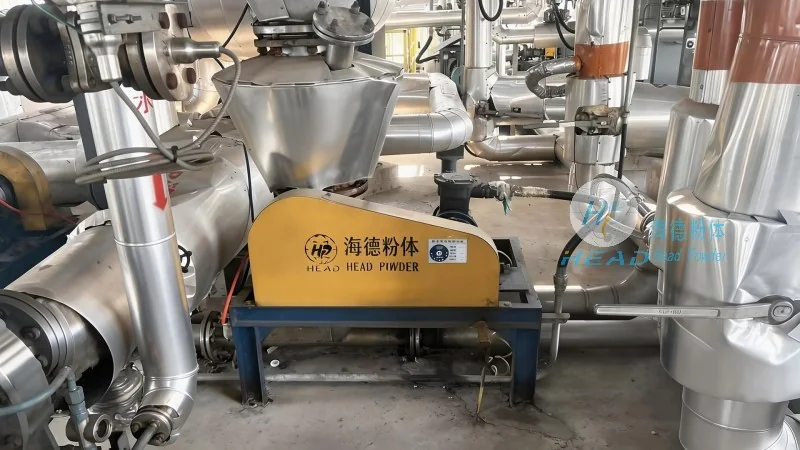
Components and Their Functions in a Fine Material Pneumatic Conveyor
Each component of a fine material pneumatic conveyor serves a specific function to ensure optimal operation. The feeding unit, such as a rotary valve or a venturi feeder, is responsible for introducing the material into the system at a controlled rate. This ensures a consistent flow of material into the conveying pipeline. The conveying pipeline, usually made of stainless steel or other corrosion-resistant materials, transports the material and air mixture. The separation unit, which may include a cyclone separator or a bag filter, separates the material from the air, allowing the material to be collected in a hopper or container. The discharge outlet then delivers the material to its final destination. The control system, often integrated with sensors and automation, monitors and adjusts the operation of the conveyor to maintain optimal performance.
Applications and Benefits of Fine Material Pneumatic Conveyors
Fine material pneumatic conveyors are widely used in industries such as pharmaceuticals, food processing, chemical manufacturing, and mining. Their ability to handle fine powders without contamination or degradation makes them ideal for applications where product purity is paramount. The benefits of using such systems include reduced labor costs, minimized material waste, and improved safety by eliminating the need for manual handling of powders. Additionally, pneumatic conveyors can be designed to operate in both positive pressure (blowing air) and negative pressure (sucking air) modes, providing flexibility in different operational scenarios.
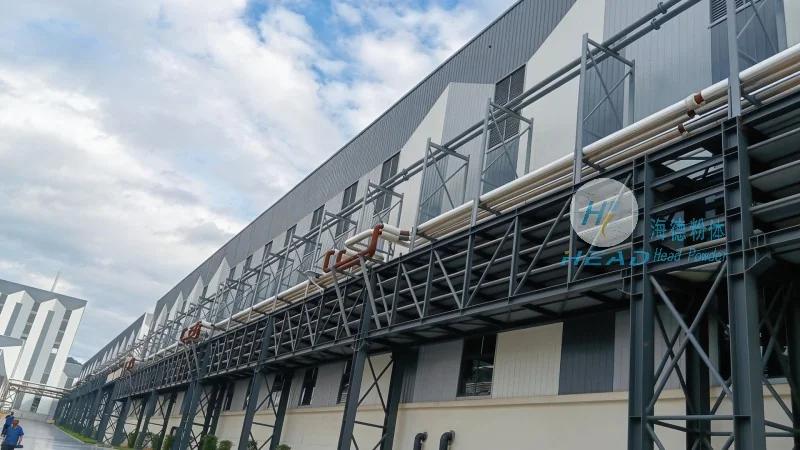
HeadPowder: A Leading Manufacturer of Fine Material Pneumatic Conveying Systems
Shandong HeadPowder Engineering Co., Ltd., a reputable company based in China, specializes in the design, manufacturing, and supply of fine material pneumatic conveying systems. With years of experience in the industry, HeadPowder has developed a range of high-quality equipment tailored to meet the diverse needs of various industries. The company's products are engineered with precision, incorporating advanced design principles to ensure reliable and efficient material transport. HeadPowder's commitment to quality and customer satisfaction has made them a trusted partner for businesses seeking effective solutions for fine material handling. The company's facilities, located in Shandong, China, are equipped with state-of-the-art technology and skilled personnel to ensure the production of durable and reliable equipment.