

What is a Vacuum Loading Pneumatic Conveying System? What are its Design Principles?
Vacuum loading pneumatic conveying systems represent a sophisticated method of material handling, widely utilized in various industrial sectors for efficient and controlled transport of bulk materials. As a core product offered by Shandong HeadPowder Engineering Co., Ltd., these systems integrate advanced engineering principles to ensure reliable performance in diverse operational environments. Understanding the fundamental aspects of such systems, including their operational mechanisms and design philosophies, is crucial for industries seeking to optimize material transport processes.
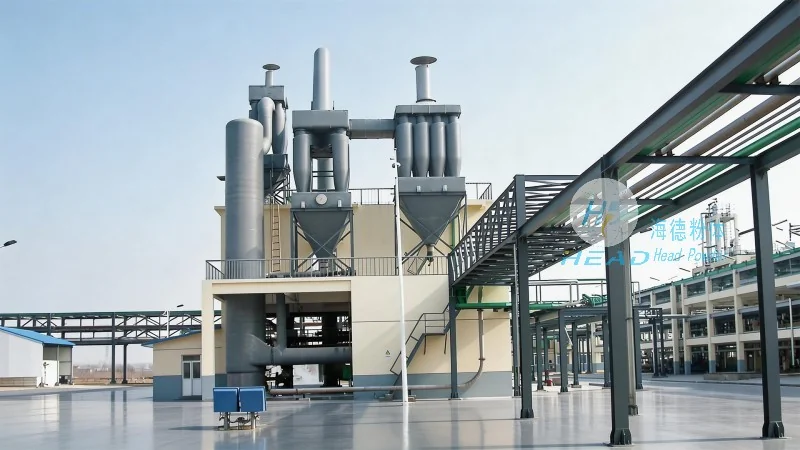
Core Components and Operational Principles
The design of a vacuum loading pneumatic conveying system is built upon several key components that work in concert to achieve effective material transfer. At the heart of the system is a vacuum pump, which generates the necessary negative pressure to draw material from the source into the conveying line. Common types of vacuum pumps used in such systems include water ring pumps and rotary vane pumps, each offering different performance characteristics suitable for various material and operational conditions. The pump's capacity is determined by the required conveying rate and the material's bulk density, ensuring that sufficient suction force is available to maintain a consistent flow. The hopper or feed device, typically equipped with a discharge valve or feeder, holds the bulk material and regulates the feed rate into the system. This component is designed to minimize material buildup and ensure a smooth, continuous flow. The conveying line, usually constructed from stainless steel or high-grade plastic, is selected based on the material's abrasiveness and particle size. The line diameter and length are critical parameters that affect the system's overall performance, as they influence pressure drop and energy consumption. A filter and separator unit is also integral, as it captures any fine particles or dust, preventing contamination and maintaining system efficiency. The discharge mechanism, which may include a rotary valve or other control devices, regulates the release of material at the destination, ensuring precise control over the output rate. The entire system operates under a controlled vacuum environment, which is maintained by the pump and supplemented by any necessary vacuum boosters or vacuum enhancers to overcome longer or more complex conveying paths.
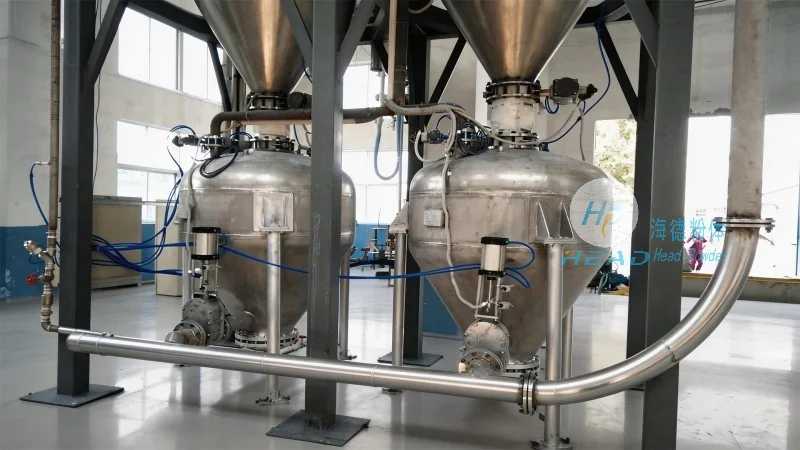
Design Principles and Engineering Considerations
The design principles behind vacuum loading pneumatic conveying systems prioritize several critical factors, including efficiency, reliability, and adaptability to different material types. Engineers at Shandong HeadPowder Engineering Co., Ltd. employ a systematic approach to ensure that each component is optimized for the specific application. Material selection is a key consideration, as different materials may require variations in line diameter, pump capacity, or filter design to prevent blockages or degradation. The system's layout, including the length and curvature of the conveying line, is carefully planned to minimize pressure drop and energy consumption. Additionally, the integration of safety features, such as pressure relief valves and overcurrent protection, is standard in modern designs to safeguard both equipment and personnel. The overall design aims to balance performance with cost-effectiveness, making it a viable solution for both small-scale and large-scale industrial operations. The use of modular components allows for easy maintenance and upgrades, further enhancing the system's long-term value.
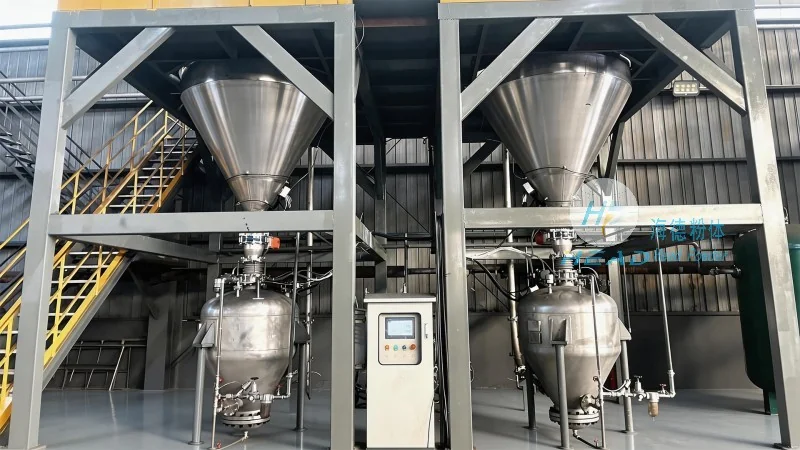
Applications and Industry Relevance
Vacuum loading pneumatic conveying systems find extensive applications across multiple industries, including food processing, pharmaceuticals, chemicals, and mining. In the food industry, for instance, these systems are employed to transport powders and granules while maintaining strict hygiene standards, as the enclosed design prevents contamination from external sources. The pharmaceutical sector utilizes them for handling sensitive materials, where the ability to control particle flow and prevent cross-contamination is paramount. In chemical processing, the systems help manage hazardous or reactive materials safely, reducing the risk of exposure to operators. The mining industry also benefits from these systems for transporting ore and other bulk materials from mines to processing facilities. The adaptability of vacuum loading systems to various material characteristics and operational conditions makes them a preferred choice for industries that demand precision and reliability in material handling. Case studies from various industries highlight the successful implementation of these systems, demonstrating their ability to improve operational efficiency and reduce downtime.