

What is a Lithium-Ion Battery Positive Electrode Material Pneumatic Conveying Line? And What Are Its
HeadPowder, a leading engineering company based in Shandong, China, specializes in the design and manufacturing of advanced pneumatic conveying systems tailored for the lithium-ion battery industry. This article delves into the concept of a lithium-ion battery positive electrode material pneumatic conveying line, exploring its fundamental purpose and the core design principles that govern its operation.
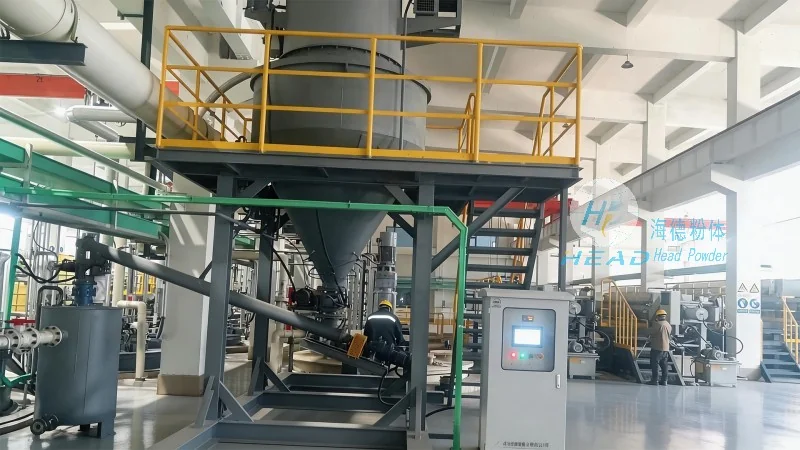
A lithium-ion battery positive electrode material pneumatic conveying line is a specialized system engineered to transport fine powders, such as those used in the production of lithium cobalt oxide (LCO), lithium nickel manganese cobalt oxide (NMC), and other cathode active materials. These materials are critical components in the manufacturing of lithium-ion batteries, and their efficient, safe, and reliable handling is essential for maintaining product quality and production efficiency. The system typically consists of a series of components, including a material hopper, a conveying pipeline, a control system, and a dust collection unit, all working in tandem to move the powder from the storage or processing area to the next stage of the production line.
One of the primary design principles of such a system is the optimization of air flow and pressure to achieve efficient powder transport. The conveying process relies on the creation of a low-pressure zone within the pipeline, which draws the powder particles into the air stream. This is achieved through the use of a blower or a vacuum pump, which generates the necessary air velocity to entrain the powder. The design must carefully consider factors like the particle size, density, and moisture content of the material, as these characteristics directly impact the air velocity required for effective conveying. For example, finer particles may require higher air velocities to prevent settling or blockages in the pipeline.
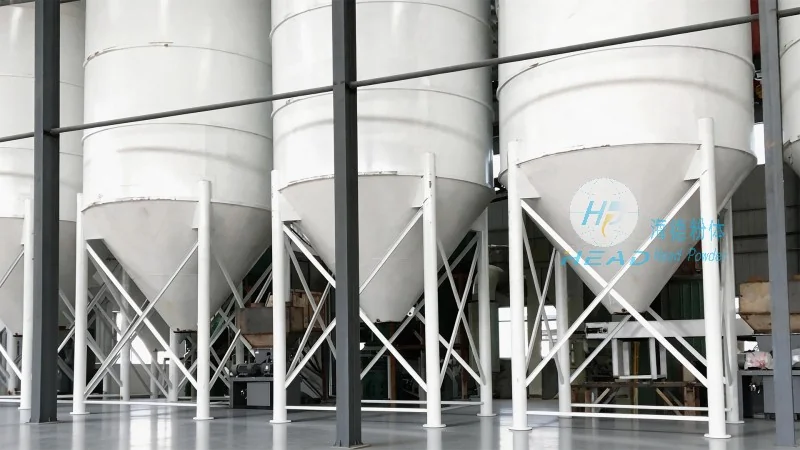
Another critical design principle is the integration of dust control and environmental safety measures. Lithium-ion battery positive electrode materials are often fine powders that can pose health and safety risks if not properly contained. The system incorporates dust collection units, such as cyclones or bag filters, to capture and remove airborne particles, ensuring compliance with environmental regulations and protecting the health of operators. Additionally, the design may include features like explosion-proof components and sealed conveying lines to mitigate the risk of dust explosions, which are a significant hazard in powder handling operations.
The material hopper is a key component in the design, as it serves as the storage and feeding unit for the powder. It is typically equipped with a feeder, such as a rotary valve or a screw feeder, which regulates the flow of material into the conveying pipeline. The hopper's design must consider the material's flow characteristics, including its angle of repose and cohesive properties, to prevent bridging or caking that could disrupt the feeding process. Proper hopper design ensures a consistent and controlled feed rate, which is crucial for maintaining the stability of the conveying system.
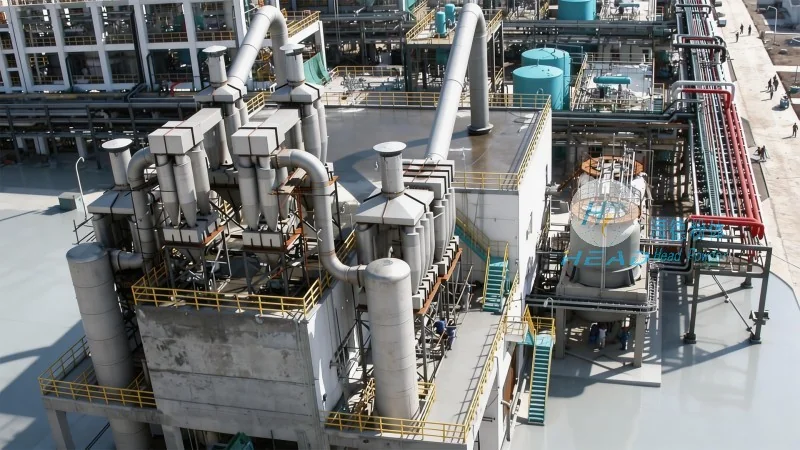
The conveying pipeline itself is constructed from materials that are resistant to corrosion and wear, such as stainless steel or special alloys, to withstand the abrasive nature of the powder. The pipeline layout is carefully planned to minimize bends and changes in direction, as these can cause particle accumulation and increase the risk of blockages. The use of flexible connectors and expansion joints may be incorporated to accommodate thermal expansion and reduce stress on the system components.
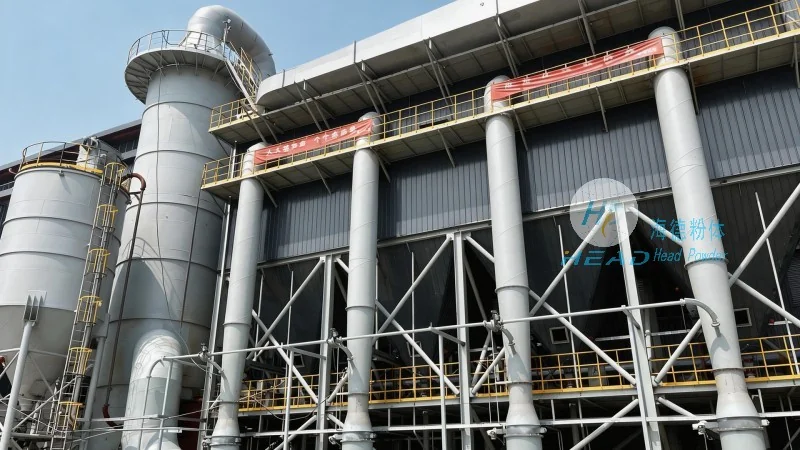
The control system is another essential element, as it monitors and regulates the operation of the pneumatic conveying line. Sensors are used to detect the level of material in the hopper, the pressure and flow rate of the air, and the status of the dust collection unit. The control system ensures that the conveying process operates within safe and efficient parameters, automatically adjusting the feeder speed or air flow as needed to maintain a consistent material flow rate. This automation enhances production efficiency and reduces the risk of human error.
In summary, a lithium-ion battery positive electrode material pneumatic conveying line is a sophisticated system designed to handle fine powders with precision and safety. The design principles, including optimized air flow, dust control, and material handling, are critical to ensuring the system's effectiveness and reliability. By understanding these principles, manufacturers can select or design a conveying system that meets their specific production requirements, ultimately contributing to the high-quality and efficient production of lithium-ion batteries.