

What is Iron Fines Pneumatic Conveying? Classification and Applications of Pneumatic Conveying
Pneumatic conveying, also known as pneumatic transport, is a method used to transport bulk materials through a pipeline using air or other gases. When it comes to handling iron fines—fine iron particles or metal shavings—the process becomes specialized, requiring specific equipment and techniques to ensure efficient and safe material movement. This article explores the fundamentals of iron fines pneumatic conveying, the various classifications of pneumatic conveying systems, and their practical applications in industrial settings.
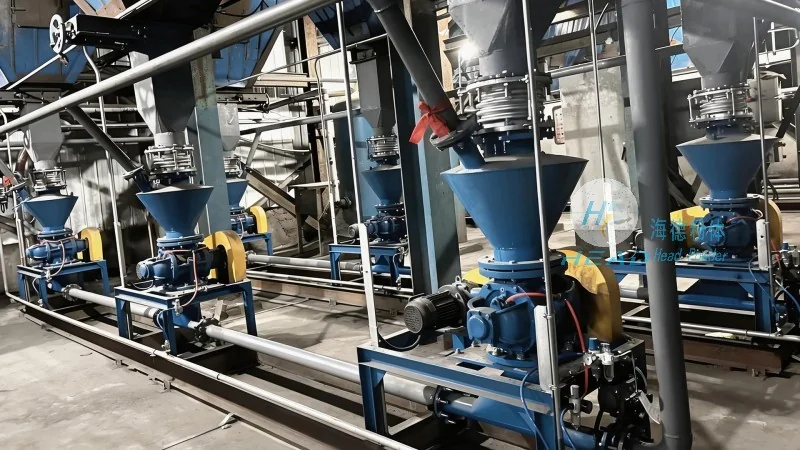
Understanding Iron Fines Pneumatic Conveying
Iron fines, typically consisting of small iron particles or metal shavings, are often generated during metalworking processes such as grinding, machining, or cutting. These fine materials are often abrasive and can pose challenges during transportation due to their size, density, and potential for clogging. Pneumatic conveying offers a solution by using air pressure to move these materials through a closed system, eliminating the need for mechanical components like belts or buckets that might be prone to wear or damage from the abrasive nature of iron fines.
The core principle of iron fines pneumatic conveying involves creating a flow of air within a pipeline, which then carries the iron fines from the source (e.g., a collection hopper or machining station) to the destination (e.g., a storage silo or processing unit). The system typically includes components such as a blower or compressor to generate the air flow, a hopper to hold the iron fines, a conveying line, and a receiver to collect the material at the end of the line. The efficiency of this process depends on factors like the air velocity, pipeline diameter, and the characteristics of the iron fines themselves, such as particle size distribution and moisture content.
Classification of Pneumatic Conveying Systems
Pneumatic conveying systems are broadly classified into two main categories: dilute-phase and dense-phase. Each type has distinct characteristics and is suitable for different material types and applications.
Dilute-Phase Pneumatic Conveying is characterized by a low concentration of material in the air stream. In this system, the material is suspended in the air as a fine mist or cloud, with the air velocity typically exceeding the settling velocity of the particles. This method is commonly used for transporting light materials like powders or fine granules over short to medium distances. For iron fines, dilute-phase systems are often employed when the material is relatively non-abrasive and the conveying distance is short, as they offer high throughput and low energy consumption.
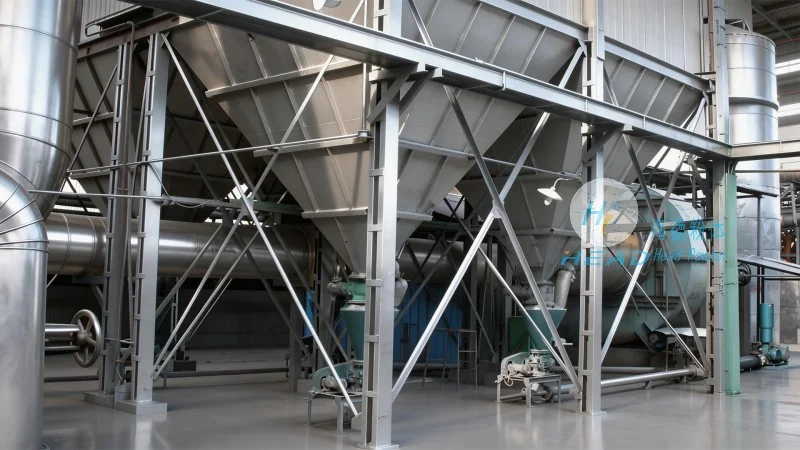
Dense-Phase Pneumatic Conveying, on the other hand, involves a higher concentration of material in the air stream. The material is transported in a dense slug or plug, with the air velocity lower than the settling velocity of the particles. This method is ideal for handling abrasive or high-density materials like iron fines, as it reduces the risk of clogging and minimizes wear on the pipeline and equipment. Dense-phase systems are often used for longer conveying distances or when the material requires gentle handling to prevent degradation.
Within these broad categories, there are further subtypes based on the direction of air flow and the method of material introduction. For example, positive-pressure systems use a blower to push air and material through the pipeline, while negative-pressure (or vacuum) systems use a vacuum pump to draw material into the pipeline. Positive-pressure systems are more common for iron fines due to their ability to handle abrasive materials and longer distances, as they provide consistent air pressure and flow.
Applications of Pneumatic Conveying in Industrial Settings
The versatility of pneumatic conveying makes it applicable across various industries, including metalworking, foundries, and recycling. In the context of iron fines, the primary applications include:
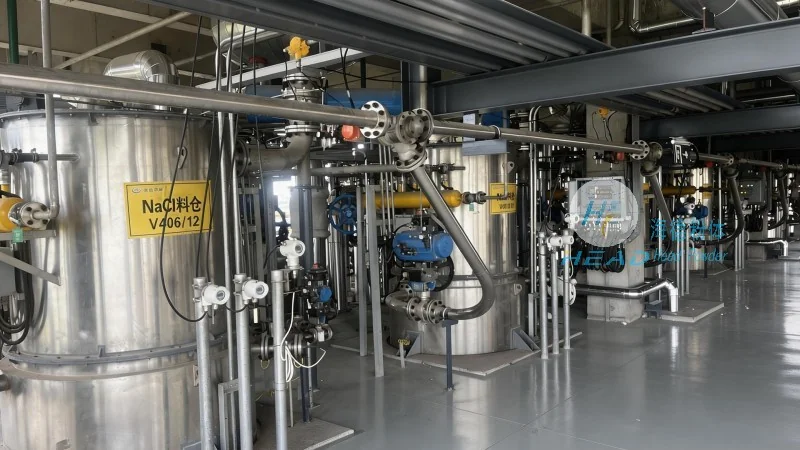
Material Recovery and Recycling: In metalworking facilities, iron fines are often generated as waste from machining operations. Pneumatic conveying systems can efficiently collect these fines from the machining area and transport them to a central collection point for recycling. This not only reduces waste but also ensures that valuable iron is recovered and reused, contributing to sustainability efforts.
Process Integration: Pneumatic conveying can be integrated into manufacturing processes to streamline material handling. For instance, in a foundry, iron fines can be conveyed from a grinding station to a melting furnace, where they are used as raw material for new iron products. This integration improves operational efficiency by eliminating manual handling and reducing downtime.
Storage and Distribution: After collection, iron fines can be conveyed to storage silos or containers for later use. The ability to transport materials over long distances without the need for intermediate handling makes pneumatic conveying an attractive option for large-scale storage and distribution of iron fines in industrial plants.
Key Considerations for Iron Fines Pneumatic Conveying
When implementing a pneumatic conveying system for iron fines, several factors must be considered to ensure optimal performance and longevity of the equipment. These include: