

What is Wood Chip Pneumatic Conveying: Classification and Applications of Pneumatic Conveying
Wood chip pneumatic conveying is a crucial method in material handling, especially for transporting wood chips efficiently and effectively. This technology involves using air pressure or vacuum to move wood chips through a pipeline system. Understanding the principles and applications of this process is vital for industries dealing with wood processing, such as sawmills, pulp and paper mills, and biomass energy facilities. HeadPowder, a leading manufacturer based in Shandong, China, specializes in providing advanced pneumatic conveying solutions for these industries.
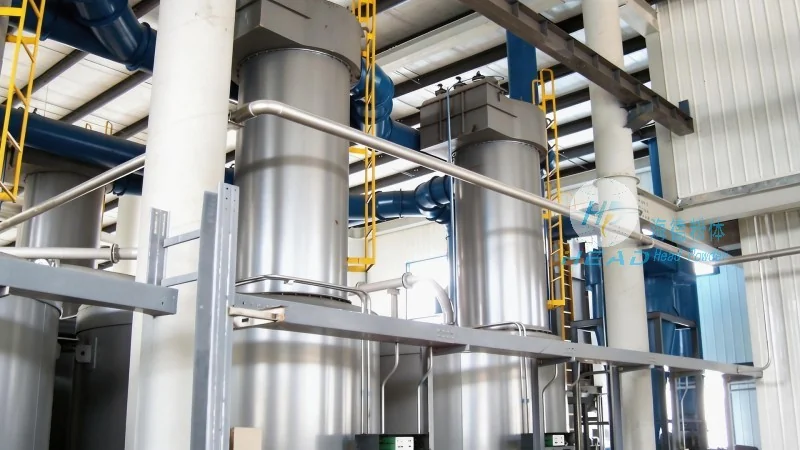
Introduction to Wood Chip Pneumatic Conveying
Wood chip pneumatic conveying is a system that utilizes air to transport wood chips from one location to another. Unlike traditional mechanical conveyors, which rely on belts or screws, pneumatic systems use compressed air to create a flow that carries the material. This method is particularly advantageous for handling lightweight, dusty, or abrasive materials like wood chips, as it minimizes wear and tear on equipment and reduces the risk of material contamination. The technology is widely used in various wood processing applications, making it an essential component of modern material handling systems.
Types of Pneumatic Conveying Systems
Pneumatic conveying systems are categorized based on the pressure used to move the material. The two main types are pressure and vacuum systems. Pressure systems use compressed air to push the material forward, while vacuum systems use a vacuum to pull the material. For wood chip applications, pressure systems are more common due to their ability to handle larger volumes and longer distances. HeadPowder Engineering Co., Ltd. offers customized pressure systems designed to meet the specific requirements of wood processing facilities, ensuring optimal performance and efficiency.
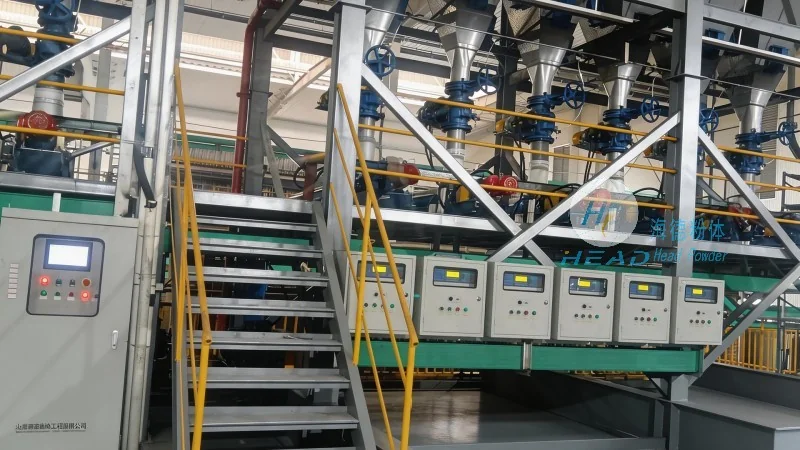
Applications of Wood Chip Pneumatic Conveying
The applications of wood chip pneumatic conveying are diverse and essential in various industrial settings. In sawmills, it is used to transport wood chips from the debarking and chipping stages to storage or processing areas. In pulp and paper mills, it helps move wood chips to the digesters for pulping. Additionally, in biomass energy plants, it is employed to transport wood chips to boilers for energy generation. The efficiency and flexibility of pneumatic conveying make it an ideal choice for these applications, ensuring consistent material flow and reducing operational costs. HeadPowder's systems are tailored to handle these diverse applications, providing reliable and cost-effective solutions.
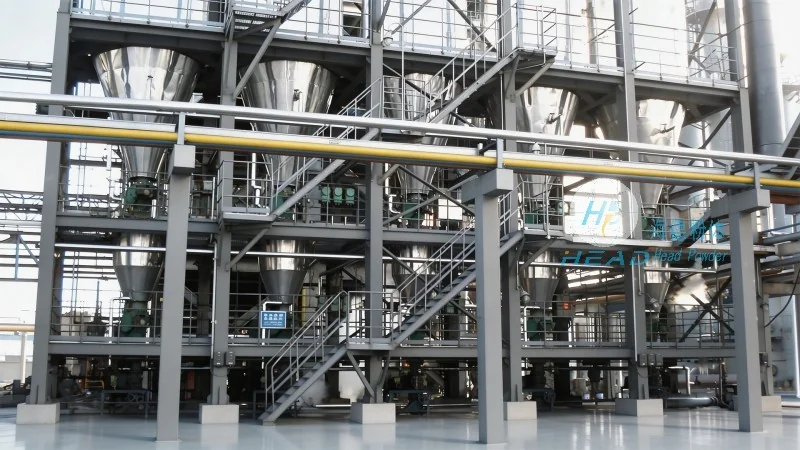
Advantages of Using Pneumatic Conveying for Wood Chips
There are several advantages to using pneumatic conveying for wood chips. First, it provides a clean and dust-free environment, which is crucial for maintaining product quality and worker safety. Second, it offers high throughput rates, allowing for the efficient handling of large volumes of wood chips. Third, it reduces the need for multiple handling steps, as the system can transport material directly from the source to the destination. Finally, it minimizes material degradation, as the chips are not subjected to excessive friction or pressure during transport. These advantages make pneumatic conveying a preferred method for wood chip transport in many industries.
Customization and Design Considerations
When designing a wood chip pneumatic conveying system, several factors must be considered to ensure optimal performance. These include the type and size of wood chips, the distance to be covered, the required flow rate, and the available space. HeadPowder Engineering Co., Ltd. takes a comprehensive approach to system design, working closely with clients to understand their specific requirements and provide tailored solutions. The company’s expertise in material handling and pneumatic technology ensures that the final system meets all operational and safety standards. Their customized designs help clients achieve higher efficiency and lower maintenance costs.