

What is Sugar Cane Pneumatic Conveying? Classification and Applications of Pneumatic Conveying
Understanding the principles and applications of sugar cane pneumatic conveying is crucial for optimizing material handling processes in the sugar industry. Pneumatic conveying systems utilize air to transport bulk materials like sugar cane, offering advantages such as reduced labor costs, enhanced safety, and improved efficiency compared to traditional methods like belt conveyors or bucket elevators.
Definition of Sugar Cane Pneumatic Conveying
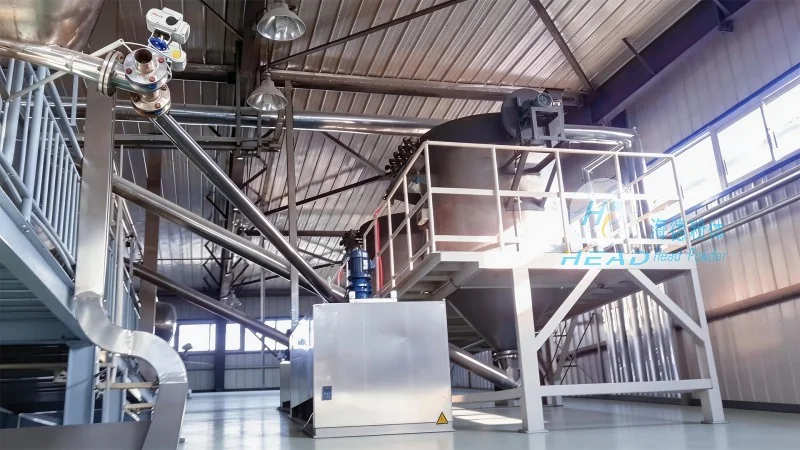
Sugar cane pneumatic conveying refers to the technology of transporting sugar cane or its processed products (e.g., raw sugar, molasses) through a pipeline using compressed air or vacuum. This method involves feeding the material into a hopper, where it is then drawn or pushed through the pipeline by air pressure or suction. The system typically includes components like a feeder, a pipeline network, a separator, and a discharge point, ensuring efficient and continuous material movement.
Classification of Pneumatic Conveying Systems
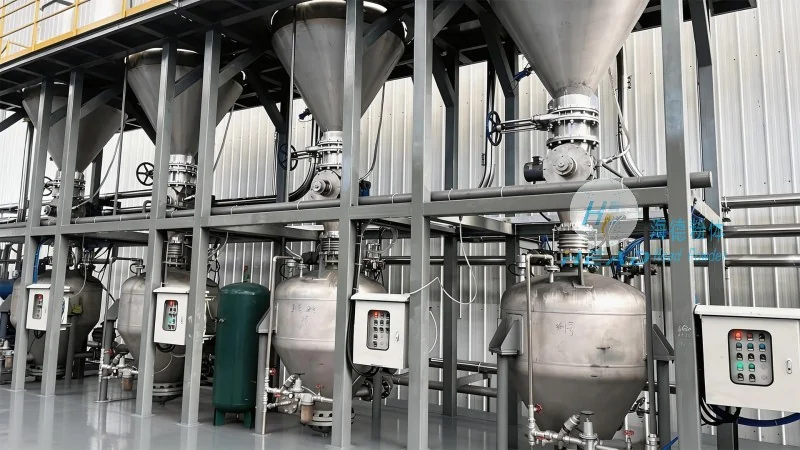
Pneumatic conveying systems are broadly classified into two main types: suction (or vacuum) systems and pressure systems. Suction systems operate by creating a negative pressure in the pipeline to draw material from the source, while pressure systems use positive pressure to push material forward. Each type has distinct characteristics and applications, tailored to different operational requirements and material properties.
Key Components of Pneumatic Conveying Systems
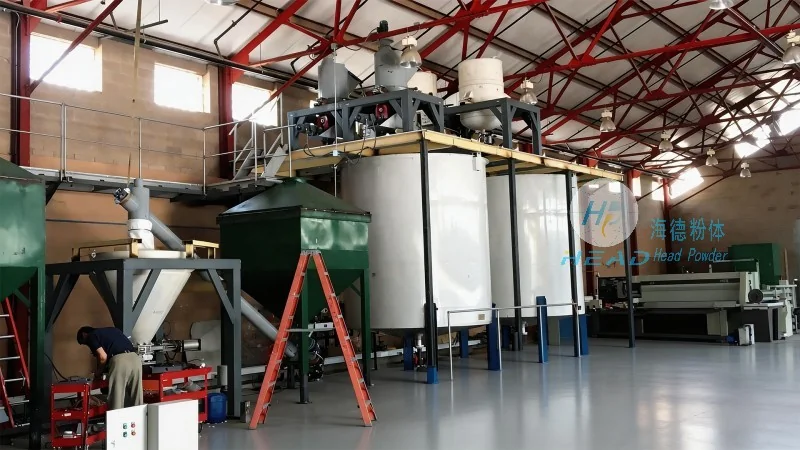
The effectiveness of a pneumatic conveying system depends on its key components, which work in tandem to ensure smooth material transport. These components include:
- Feeder: The device responsible for feeding material into the pipeline, ensuring a consistent flow rate to maintain system efficiency.
- Pipeline Network: The main conduit for transporting material, typically made of metal or plastic, designed to withstand the pressure and material abrasion.
- Separator: A component that separates the material from the air stream, often using cyclones or filters, to prevent material buildup and maintain system performance.
- Discharge Point: The endpoint where the material is released, such as a storage silo or processing unit, ensuring proper material handling at the destination.
Applications in the Sugar Industry
Sugar cane pneumatic conveying is widely used in various stages of sugar production, from raw material handling to final product distribution. Some common applications include:
- Raw Sugar Cane Transport: Moving freshly harvested sugar cane from fields to processing plants, where it is processed into raw sugar.
- Intermediate Product Handling: Transporting molasses, a byproduct of sugar processing, to storage tanks or further processing units.
- Finished Product Distribution: Conveying packaged sugar products to warehouses or distribution centers, ensuring efficient logistics.
Advantages of Pneumatic Conveying for Sugar Cane
Compared to traditional material handling methods, pneumatic conveying offers several advantages for sugar cane processing:
- Reduced Labor Costs: Automated systems minimize the need for manual labor, lowering operational expenses.
- Enhanced Safety: Enclosed pipelines prevent dust and material exposure, reducing workplace hazards and improving air quality.
- Improved Efficiency: Continuous and high-capacity transport ensures timely processing and reduces downtime.
- Space Efficiency: The compact design of pneumatic systems allows for installation in limited spaces, optimizing plant layout.
Company Introduction: Shandong HeadPowder Engineering Co., Ltd.
Shandong HeadPowder Engineering Co., Ltd., a leading provider of industrial material handling solutions, specializes in designing and manufacturing advanced pneumatic conveying systems tailored to the sugar industry. With years of experience and a commitment to innovation, the company has developed state-of-the-art solutions that enhance operational efficiency and safety for sugar processing facilities. HeadPowder's expertise in material flow technology ensures that their systems are optimized for the unique challenges of sugar cane handling, providing reliable and durable equipment that meets industry standards.