

What is River Sand Pneumatic Conveying, Classification and Applications of Pneumatic Conveying
Pneumatic conveying is a sophisticated method for transporting bulk materials such as river sand through a pipeline using air as the primary conveying medium. This technology has become increasingly important in the construction and industrial sectors due to its ability to deliver sand efficiently, safely, and with minimal environmental impact. Unlike traditional methods like truck transport or belt conveyors, pneumatic conveying eliminates dust generation, reduces labor costs, and provides a flexible solution for varying material volumes and distances. For river sand, which is a critical raw material in concrete production and construction projects, pneumatic conveying offers a reliable and cost-effective way to move the material from its source to processing facilities or job sites.
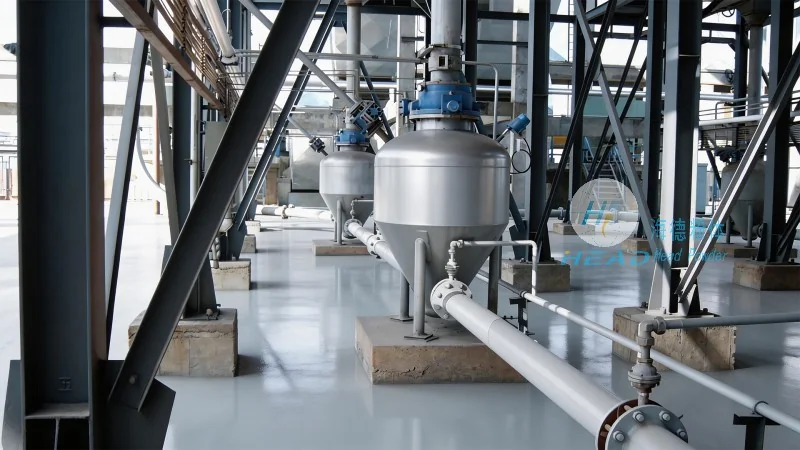
Introduction to River Sand Pneumatic Conveying
River sand, also known as natural sand, is a natural aggregate derived from riverbeds and is widely used in construction for its high compressive strength and durability. However, transporting this material can be challenging due to its fine particles and the need to maintain quality. Pneumatic conveying addresses these challenges by using air pressure or vacuum to move the sand through a sealed pipeline. The process involves feeding the sand into a hopper, where it is then drawn or pushed through the pipeline to the destination. This method ensures that the sand remains dry and free from contamination, which is crucial for maintaining its quality for concrete production.
Classification of Pneumatic Conveying Systems
Pneumatic conveying systems are broadly classified into two main types: suction (or vacuum) systems and pressure systems. Each type has distinct characteristics and is suitable for different applications. Suction systems operate by creating a vacuum in the pipeline, which draws the material from the source into the system. These systems are typically used for shorter distances and lower material volumes, as they are less powerful and more prone to clogging. They are often preferred for handling fine materials like river sand, as the vacuum helps to prevent dust and maintain material integrity.
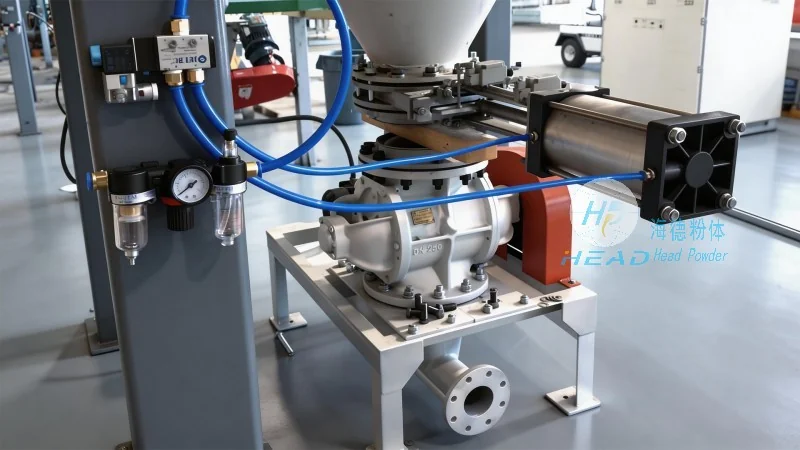
On the other hand, pressure systems use compressed air to push the material through the pipeline. These systems are more powerful and can handle longer distances and higher material volumes. They are commonly used in industrial settings where large quantities of sand need to be transported over significant distances, such as from a quarry to a concrete plant. Pressure systems are also more efficient in terms of energy consumption and can maintain a consistent flow rate, making them ideal for continuous operation. The choice between suction and pressure systems depends on factors such as the distance to be covered, the volume of material, the required flow rate, and the need for dust control.
Applications of Pneumatic Conveying in River Sand Handling
The applications of pneumatic conveying in river sand handling are diverse and essential for modern construction and industrial processes. One of the primary uses is in concrete production, where river sand is a key ingredient in the mix. Pneumatic conveying systems can deliver the sand directly to the mixing plant, ensuring a consistent and controlled supply. This reduces the need for manual handling and minimizes the risk of accidents, such as material spills or dust exposure. The efficiency of pneumatic conveying also allows for faster production cycles, as the material is available when needed without delays caused by truck deliveries.
Another important application is in construction sites where sand is used for foundation work, road construction, or land reclamation. Pneumatic conveying can transport the sand from storage areas to the work area, providing a continuous and reliable supply. This is particularly beneficial in large-scale projects where the demand for sand is high and the site is remote from the source. The system can be integrated with other equipment, such as loaders or excavators, to create an automated material handling process that improves productivity and reduces labor costs.

Additionally, pneumatic conveying is used in sand processing facilities, where the sand is cleaned, crushed, or classified before use. The system can transport the sand from the storage hopper to the processing equipment, ensuring that the material is handled in a controlled manner. This helps to maintain the quality of the sand and prevent contamination from other materials or environmental factors. The ability to transport sand in a sealed pipeline also reduces the risk of dust emissions, which is important for environmental compliance and worker safety.
About Shandong HeadPowder Engineering Co., Ltd.
Shandong HeadPowder Engineering Co., Ltd. is a leading manufacturer and supplier of pneumatic conveying equipment, specializing in solutions for bulk material handling, including river sand. The company has been in operation for over two decades and has established itself as a trusted provider of high-quality equipment and services in the industry. HeadPowder's headquarters is located in Shandong, China, a region known for its strong manufacturing base and access to raw materials. The company's team of engineers and technicians has extensive experience in designing and manufacturing pneumatic conveying systems tailored to the specific needs of clients.
HeadPowder's product line includes a range of pneumatic conveying equipment, such as vacuum and pressure systems, material feeders, and control systems. The company uses advanced technology and materials in its manufacturing process to ensure that its products are durable, efficient, and reliable. For example, the company's pressure systems use high-quality stainless steel pipelines and air compressors to maintain consistent performance and prevent corrosion. The vacuum systems are equipped with advanced filtration and dust collection systems to ensure that the material is handled in a clean and safe manner.
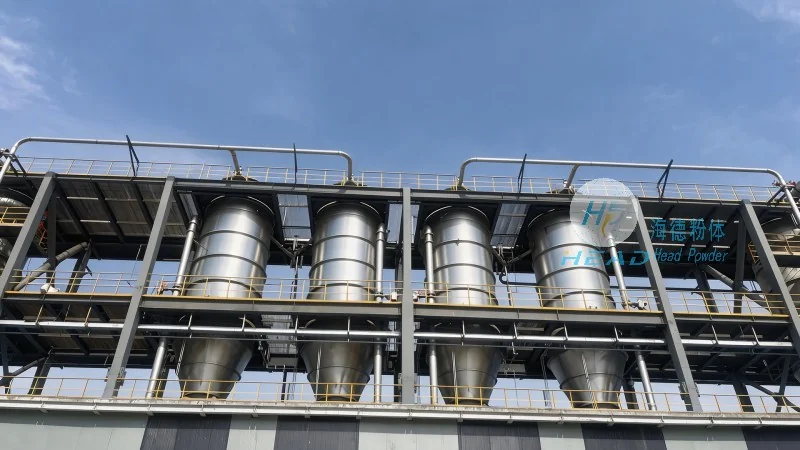
The company also provides comprehensive after-sales support, including installation, maintenance, and technical assistance. This ensures that clients can operate their pneumatic conveying systems efficiently and with minimal downtime. HeadPowder's commitment to quality and customer satisfaction has earned it a reputation as a reliable partner in the industry, with clients ranging from small construction companies to large industrial enterprises. The company's focus on innovation and customer needs has allowed it to stay ahead of the competition and provide solutions that meet the evolving demands of the market.
Conclusion
Pneumatic conveying is a vital technology for the efficient and safe handling of river sand, offering numerous benefits over traditional methods. By understanding the different classifications and applications of pneumatic conveying systems, users can select the most appropriate solution for their specific needs. The technology's ability to transport sand in a controlled, dust-free manner makes it an ideal choice for construction and industrial applications. Companies like Shandong HeadPowder Engineering Co., Ltd. play a crucial role in providing the necessary equipment and support to ensure the successful implementation of these systems, contributing to the overall efficiency and sustainability of the industry. As the demand for high-quality river sand continues to grow, the importance of reliable pneumatic conveying systems will only increase, making it a key component of modern material handling solutions.