

Technical Parameters and Conveying System Process of Electric Lime Powder
Electric lime powder, also known as hydrated lime or slaked lime, is a widely used industrial material with diverse applications in various sectors. The technical parameters of electric lime powder and the efficiency of its conveying systems are critical factors that influence its performance and handling in industrial processes. This article provides a detailed overview of the key technical parameters associated with electric lime powder and the essential aspects of its conveying system processes, emphasizing the importance of understanding these elements for optimal industrial application.
Key Technical Parameters of Electric Lime Powder
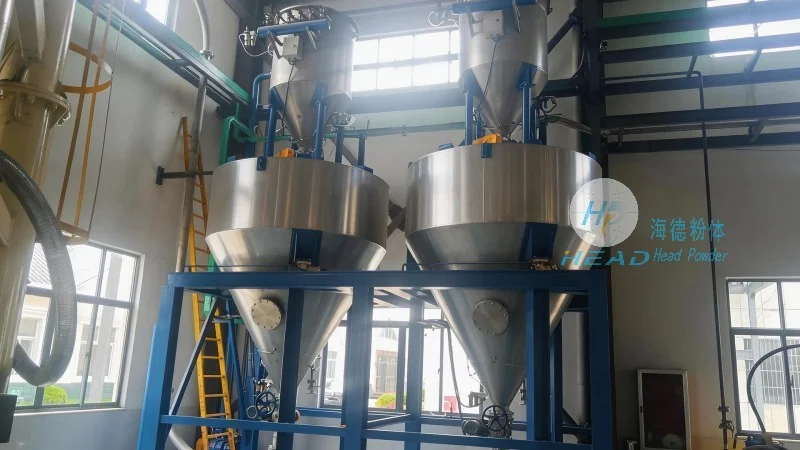
The quality and performance of electric lime powder are determined by several critical technical parameters. These parameters include particle size distribution, moisture content, bulk density, and chemical composition. Particle size distribution is a crucial factor as it affects the powder's reactivity, solubility, and handling characteristics. Typically, electric lime powder is available in various particle sizes, ranging from fine powders to coarser granules, tailored to specific industrial needs. The moisture content is another vital parameter, as excessive moisture can lead to caking, reduced reactivity, and difficulties in storage and transportation. Proper moisture control is essential to maintain the powder's quality and prevent degradation. Bulk density, which refers to the mass of powder per unit volume, influences the storage capacity of containers and the flow characteristics during conveying. Higher bulk density allows for more efficient storage and handling. Chemical composition, including the calcium hydroxide content and impurity levels, directly impacts the powder's effectiveness in applications such as water treatment, soil stabilization, and flue gas desulfurization. These parameters are typically standardized according to industry norms and regulatory requirements to ensure consistency and reliability in industrial use.
Conveying System Process for Electric Lime Powder
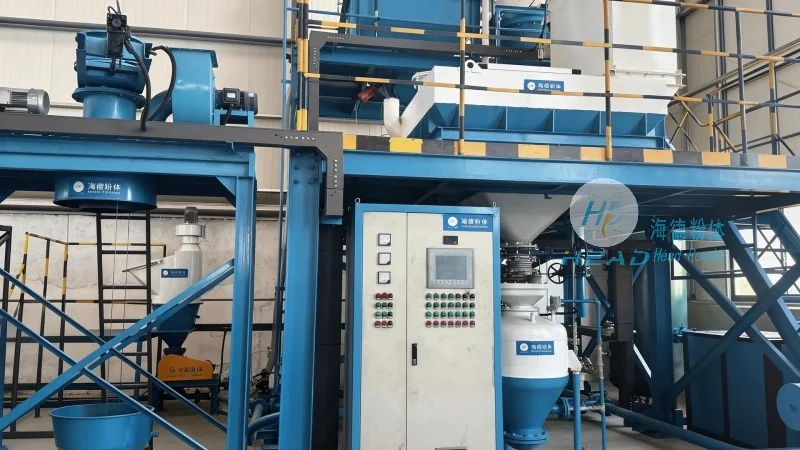
The efficient and safe transportation of electric lime powder from production facilities to end-users is facilitated by specialized conveying systems. These systems are designed to handle the unique properties of lime powder, such as its fine particle size, potential for caking, and reactivity. The primary types of conveying systems used for electric lime powder include pneumatic conveying, screw conveyors, and bucket elevators. Pneumatic conveying systems utilize air or gas to transport the powder through a pipeline network. This method is particularly effective for long-distance and high-volume transport, as it minimizes material degradation and reduces the risk of dust exposure. The system typically consists of a blower, a hopper, and a pipeline with appropriate fittings and valves. The air velocity and pressure are carefully controlled to ensure the powder is conveyed without clogging or degradation. Screw conveyors are another common method, especially for short to medium distances and lower volumes. These systems use rotating screws to move the powder through a trough or tube. Screw conveyors are suitable for handling powders with moderate moisture content and are relatively simple to install and maintain. However, they may not be as effective for very fine or cohesive powders, as they can lead to blockages and increased wear. Bucket elevators are used for vertical or inclined transport, often in bulk material handling applications. These systems consist of a continuous chain with buckets that lift the powder from a lower to a higher level. Bucket elevators are efficient for handling large quantities of powder and are commonly used in industrial plants for vertical transport. The design of the bucket elevator, including the bucket spacing and chain speed, is critical to prevent material spillage and ensure smooth operation. Proper maintenance of the conveying system, including regular cleaning and inspection of components, is essential to maintain performance and prevent downtime. The selection of the appropriate conveying system depends on factors such as the distance to be covered, the volume of powder to be transported, the particle size and moisture content of the material, and the specific requirements of the industrial application. For instance, pneumatic conveying may be preferred for long-distance transport of fine, dry lime powder, while screw conveyors might be more suitable for shorter distances and bulk handling of coarser powders. The integration of these systems with storage and processing equipment is also crucial for a seamless material flow. Proper sealing and dust control measures are necessary to prevent environmental contamination and ensure worker safety. The conveying process must be designed to minimize material loss and degradation, as electric lime powder is a valuable and often expensive industrial material. The efficiency of the conveying system directly impacts the overall cost and productivity of the industrial operation, making it a critical aspect of the production and distribution process.
Application of Technical Parameters and Conveying Systems in Industrial Processes
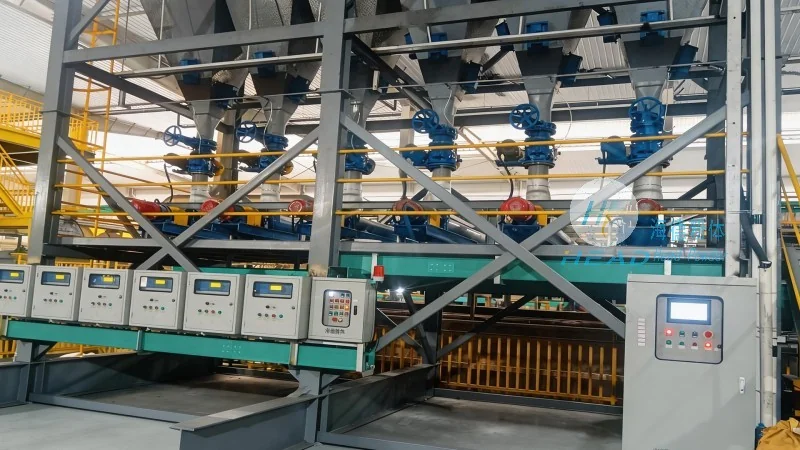
The technical parameters of electric lime powder and the design of its conveying systems play a significant role in various industrial applications. In water treatment, for example, the reactivity and solubility of lime powder are essential for neutralizing acidic water and adjusting pH levels. The particle size and moisture content of the powder affect the rate of reaction and the efficiency of the treatment process. Proper conveying systems ensure that the lime powder is delivered to the treatment plant in a consistent and controlled manner, maintaining optimal performance. In soil stabilization, electric lime powder is used to improve soil properties by increasing its strength and reducing its permeability. The bulk density and particle size of the powder influence the compaction and effectiveness of the stabilization process. The conveying system must be capable of transporting the powder to the construction site without degradation, ensuring that the material is delivered in the correct form for application. In flue gas desulfurization, lime powder is used to remove sulfur dioxide from industrial emissions. The chemical composition and reactivity of the powder are critical for effective sulfur removal. The conveying system must handle the powder efficiently and safely, as it may be in contact with corrosive gases. The integration of these systems with the desulfurization equipment is essential to maintain the system's performance and prevent material loss. The selection of the appropriate technical parameters and conveying system is crucial for optimizing the performance of these industrial processes. By understanding the specific requirements of each application, manufacturers can tailor the electric lime powder and its conveying system to meet the needs of the industry, ensuring efficiency, cost-effectiveness, and environmental compliance. The continuous improvement of these systems, through research and development, helps to enhance the overall performance and reliability of electric lime powder in industrial use.
Conclusion
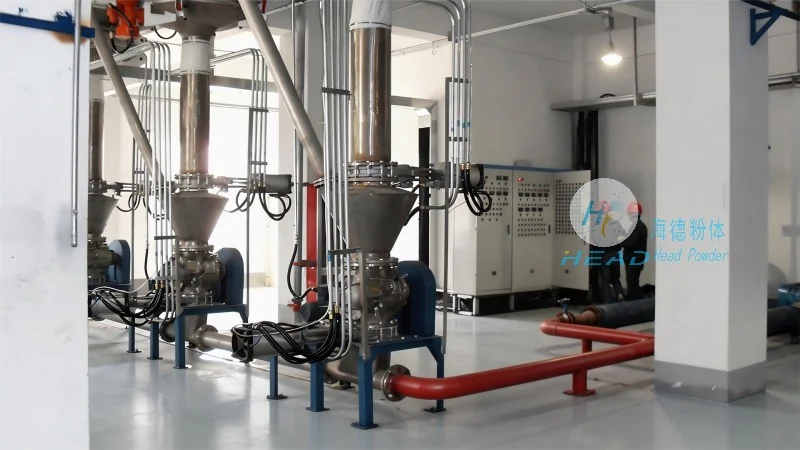
In conclusion, the technical parameters of electric lime powder and the efficiency of its conveying systems are fundamental to its successful application in various industrial sectors. The key parameters, including particle size, moisture content, bulk density, and chemical composition, directly impact the powder's performance and handling characteristics. The choice of conveying system, such as pneumatic conveying, screw conveyors, or bucket elevators, depends on factors like distance, volume, and material properties. Proper design and maintenance of these systems are essential to ensure optimal performance, minimize material loss, and maintain worker safety. The integration of these systems with industrial processes, such as water treatment, soil stabilization, and flue gas desulfurization, enhances the effectiveness and efficiency of the applications. As industrial demands evolve, the continuous improvement of electric lime powder and its conveying systems will remain critical for meeting the needs of the industry and ensuring sustainable and efficient operations. The expertise of companies like Shandong HeadPowder Engineering Co., Ltd., with their focus on technical parameters and conveying system processes, plays a vital role in advancing the use of electric lime powder in various industrial applications.