

Types, Features, and Application Ranges of Ammonia Fertilizer Pneumatic Conveying
Ammonia fertilizer, a critical component in modern agricultural practices, requires efficient and reliable transport systems to ensure optimal distribution and usage. Pneumatic conveying technology has emerged as a leading solution for handling ammonia-based fertilizers, offering advantages such as reduced dust exposure, improved safety, and enhanced operational efficiency. This article explores the various types of ammonia fertilizer pneumatic conveying systems, their key characteristics, and the diverse application ranges where they are employed.
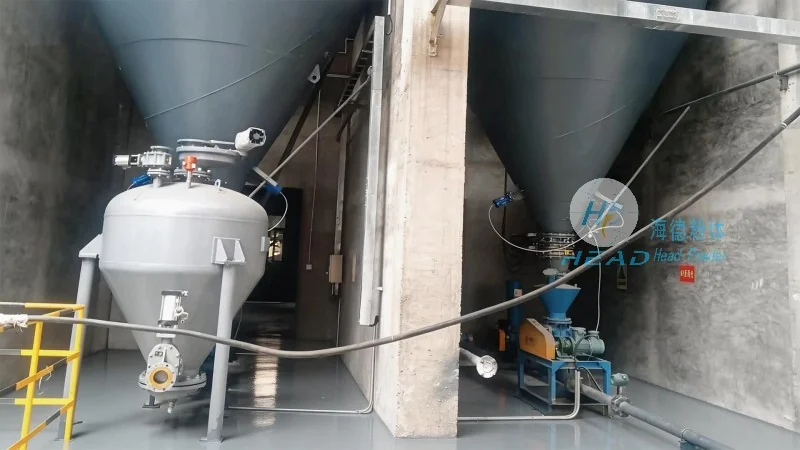
Introduction to Ammonia Fertilizer Pneumatic Conveying
Ammonia fertilizer, commonly used in the form of anhydrous ammonia or ammonium-based compounds, presents unique handling challenges due to its corrosive nature and high vapor pressure. Traditional bulk material handling methods, like belt conveyors or bucket elevators, may not be suitable for ammonia fertilizers as they can lead to material degradation, increased dust generation, and safety hazards. Pneumatic conveying systems, which utilize air or gas to transport materials through a pipeline network, provide a more controlled and efficient approach to moving ammonia fertilizers from storage to application points.
Types of Ammonia Fertilizer Pneumatic Conveying Systems
There are several types of pneumatic conveying systems designed for ammonia fertilizer transport, each with distinct operational principles and suitability for different scenarios. The primary categories include:
1. Dilute Phase Pneumatic Conveying
Dilute phase systems operate by transporting material particles suspended in a high-velocity air stream. This method is ideal for short to medium-distance conveying of fine or powdery ammonia fertilizers. The system typically uses low-pressure air (typically 0.5 to 1 bar) and is characterized by low energy consumption and minimal material degradation. The headpowder company, Shandong HeadPowder Engineering Co., Ltd., specializes in designing dilute phase systems that ensure efficient and safe transport of ammonia-based fertilizers, minimizing the risk of clogging and ensuring consistent material flow.
2. Dense Phase Pneumatic Conveying
Dense phase systems, also known as low-pressure or pressure-pneumatic conveying, transport material in a more concentrated form, often at higher pressure (1 to 3 bar) and lower air velocity. This method is particularly effective for conveying bulk or semi-bulk ammonia fertilizers over longer distances, as it reduces material degradation and prevents product segregation. The dense phase approach is suitable for applications where maintaining product integrity is critical, such as in the distribution of anhydrous ammonia to farms or industrial sites. Shandong HeadPowder Engineering Co., Ltd. offers dense phase solutions tailored to the specific needs of ammonia fertilizer handling, ensuring reliable and efficient transport.
3. Hybrid Pneumatic Conveying Systems
Hybrid systems combine elements of both dilute and dense phase operations, offering flexibility in conveying different types of ammonia fertilizers. These systems may use a combination of low and high-pressure air to optimize material transport based on distance, material characteristics, and operational requirements. The headpowder company leverages advanced engineering to develop hybrid systems that adapt to varying conditions, ensuring consistent performance and minimal downtime. This approach is particularly valuable in large-scale fertilizer distribution networks where different product types need to be handled efficiently.
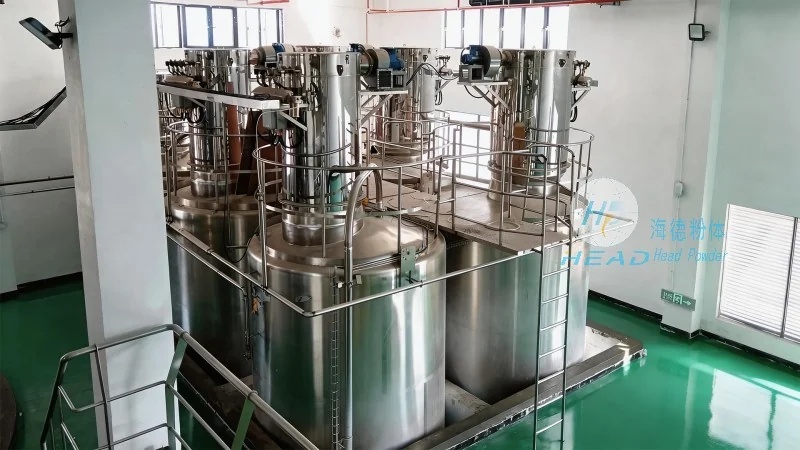
Key Features of Ammonia Fertilizer Pneumatic Conveying
Ammonia fertilizer pneumatic conveying systems are characterized by several key features that enhance their effectiveness and safety. These features include:
1. Corrosion-Resistant Materials
Given the corrosive nature of ammonia fertilizers, the conveying equipment must be constructed from materials that can withstand chemical exposure. Stainless steel, special alloys, and high-grade plastics are commonly used in the construction of pipelines, hoppers, and conveying components. Shandong HeadPowder Engineering Co., Ltd. utilizes advanced materials in their systems to ensure long-term durability and minimal maintenance, reducing the risk of equipment failure and product contamination.
2. Advanced Control Systems
Modern pneumatic conveying systems incorporate sophisticated control technologies, including variable frequency drives (VFDs), pressure sensors, and automated monitoring systems. These controls allow for precise regulation of air flow, pressure, and material feed rates, optimizing system performance and preventing overloading or underloading. The headpowder company integrates cutting-edge control solutions into their ammonia fertilizer conveying systems, ensuring smooth operation and minimal energy consumption.
3. Safety and Environmental Considerations
Ammonia fertilizers pose safety risks due to their flammability and potential for release of toxic vapors. Pneumatic conveying systems are designed with safety features such as explosion-proof components, leak detection systems, and emergency shut-off mechanisms. Additionally, these systems are engineered to minimize dust generation and emissions, contributing to environmental compliance. Shandong HeadPowder Engineering Co., Ltd. prioritizes safety and environmental standards in their designs, ensuring that their ammonia fertilizer conveying solutions meet or exceed industry regulations.
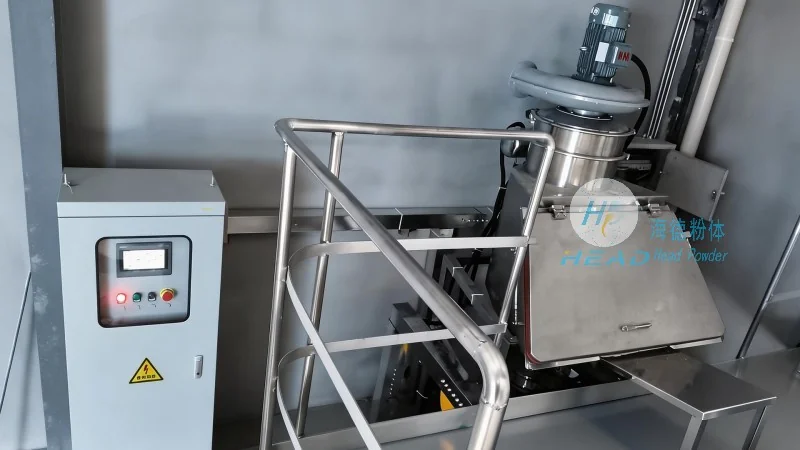
Application Ranges of Ammonia Fertilizer Pneumatic Conveying
Ammonia fertilizer pneumatic conveying systems find applications across a wide range of industries and agricultural settings. The primary application ranges include:
1. Agricultural Fertilizer Distribution
In the agricultural sector, pneumatic conveying is widely used to transport ammonia-based fertilizers from storage facilities to farms, fertilizer blending plants, and distribution centers. This method enables efficient delivery of bulk quantities of fertilizer, reducing transportation costs and ensuring timely availability for crop applications. The headpowder company has extensive experience in designing systems for agricultural fertilizer distribution, providing reliable solutions that meet the demands of modern farming operations.
2. Industrial and Chemical Processing
Industrial facilities that process or use ammonia fertilizers, such as chemical manufacturing plants and industrial farms, rely on pneumatic conveying systems to move raw materials and finished products. These systems are essential for maintaining consistent material flow in production processes, reducing downtime, and improving overall operational efficiency. Shandong HeadPowder Engineering Co., Ltd. offers customized pneumatic conveying solutions for industrial applications, ensuring that ammonia fertilizer handling meets the specific requirements of chemical processing environments.
3. Fertilizer Manufacturing and Blending
During the manufacturing and blending of ammonia fertilizers, pneumatic conveying is used to transport raw materials, intermediate products, and finished blends between processing stages. This technology enhances the efficiency of the production line by minimizing material handling time and reducing the risk of contamination. The headpowder company specializes in integrating pneumatic conveying systems into fertilizer manufacturing processes, optimizing production throughput and product quality.
Conclusion
Pneumatic conveying systems represent a highly effective and efficient method for handling ammonia fertilizers, offering numerous advantages over traditional bulk transport methods. The various types of pneumatic conveying systems—dilute phase, dense phase, and hybrid—provide flexibility to meet different operational needs, while key features such as corrosion resistance, advanced controls, and safety considerations ensure reliable and safe operation. The application ranges of ammonia fertilizer pneumatic conveying span from agricultural distribution to industrial processing, making it a versatile solution for the fertilizer industry. Shandong HeadPowder Engineering Co., Ltd., with its expertise in engineering and manufacturing, provides comprehensive pneumatic conveying solutions tailored to the unique requirements of ammonia fertilizer handling, contributing to the efficiency and sustainability of modern agricultural and industrial practices.