

Types, Features, and Application Ranges of Quicklime Pneumatic Conveying
Quicklime, also known as calcium oxide, is a widely used industrial material in various sectors such as construction, chemical manufacturing, and environmental treatment. The efficient and safe transportation of quicklime from production sites to processing facilities is crucial for maintaining operational efficiency and product quality. Pneumatic conveying systems have emerged as a preferred method for handling quicklime due to their ability to transport materials in a dust-free environment and with minimal product degradation. This article explores the different types of quicklime pneumatic conveying systems, their key characteristics, and the diverse application ranges where they are utilized. The information presented is based on the expertise of Shandong HeadPowder Engineering Co., Ltd., a leading provider of industrial material handling solutions based in China.
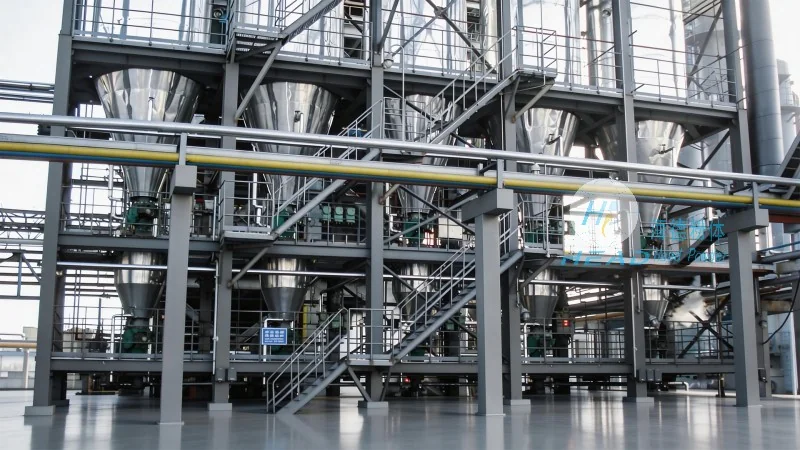
Overview of Quicklime Pneumatic Conveying Systems
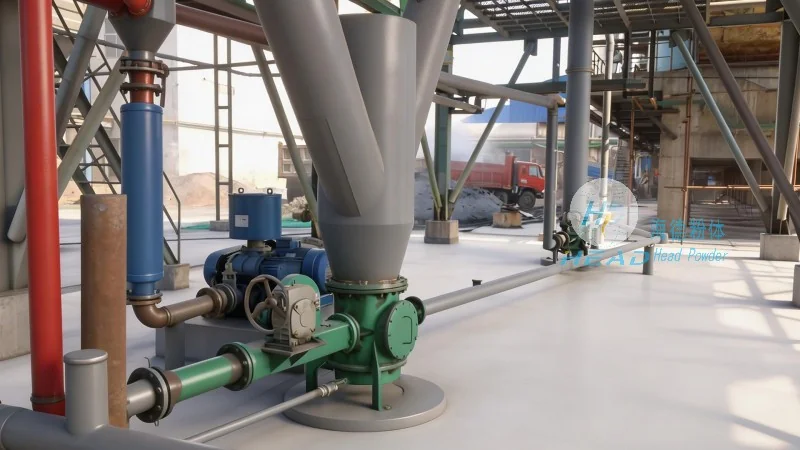
Quicklime pneumatic conveying systems are designed to transport quicklime powder or granules using air as the conveying medium. These systems typically consist of a hopper, a rotary valve, a conveyor line, and a receiver. The primary function is to move quicklime from a storage or production area to a processing unit without exposing workers to dust or causing material segregation. The choice of system type depends on factors like the material's properties, the distance to be conveyed, and the required flow rate.
Types of Quicklime Pneumatic Conveying Systems
There are several types of pneumatic conveying systems used for quicklime, each with distinct operational principles and suitability for different scenarios. The main categories include:
1. Dilute Phase Pneumatic Conveying
Dilute phase systems are the most common type for quicklime transportation. In this method, the material is suspended in a high-velocity air stream, typically at velocities ranging from 20 to 30 meters per second. The air-to-material ratio is high, ensuring that the material is fully dispersed and conveyed efficiently. This system is suitable for short to medium distances and is ideal for applications where the material is free-flowing and non-abrasive. The key advantages include low pressure drop, minimal equipment wear, and the ability to handle large volumes of material.
2. Dense Phase Pneumatic Conveying
Dense phase systems operate at lower air velocities and higher material concentrations compared to dilute phase systems. The material is conveyed in a slurry-like state, with the air acting as a carrier to push the material through the pipeline. This method is particularly useful for transporting quicklime over longer distances or when the material is more abrasive or has a higher moisture content. Dense phase systems are capable of handling higher pressure differentials and can maintain a more consistent flow rate, which is beneficial for processes that require precise material delivery.
3. Hybrid Pneumatic Conveying
Hybrid systems combine elements of both dilute and dense phase operations. They use a combination of high and low air velocities to achieve optimal conveying performance. For quicklime applications, hybrid systems are often employed when there are varying material characteristics or when the conveying distance and required flow rate change. This flexibility allows for more efficient operation under diverse conditions, making them suitable for complex industrial setups.
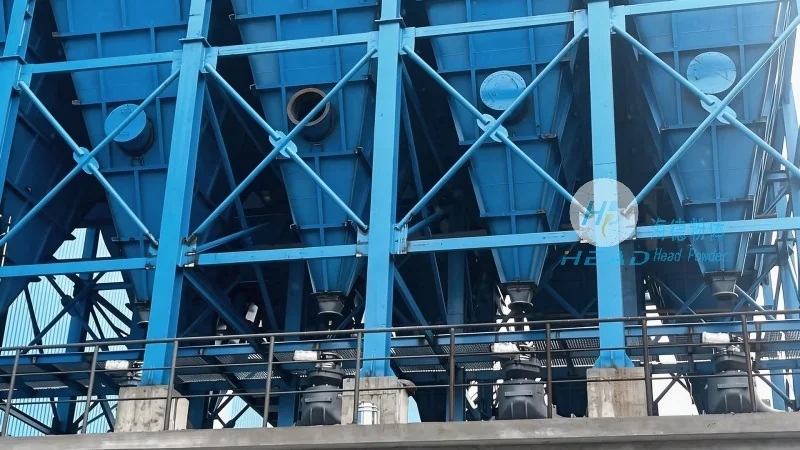
Key Characteristics of Quicklime Pneumatic Conveying Systems
Regardless of the system type, quicklime pneumatic conveying systems share several important characteristics that contribute to their effectiveness and reliability. These include:
1. Dust-Free Operation
One of the primary advantages of pneumatic conveying is the ability to transport quicklime in a sealed system, preventing dust exposure to workers and the environment. This not only enhances workplace safety but also reduces the risk of material contamination, which is critical for maintaining the quality of quicklime used in downstream processes.
2. Minimal Product Degradation
Quicklime is a reactive material that can degrade if exposed to moisture or excessive friction. Pneumatic conveying systems minimize these risks by using smooth pipelines and controlled air velocities, ensuring that the material remains in its original state until it reaches the processing unit. This helps preserve the material's reactivity and effectiveness in applications such as flue gas desulfurization or soil stabilization.
3. Versatility in Material Handling
Quicklime can exist in various forms, including powder, granules, or lumps. Pneumatic conveying systems are designed to handle these different forms, with adjustments to the system's components such as the hopper and rotary valve to accommodate the material's flow characteristics. This versatility makes the systems suitable for a wide range of quicklime products, from fine powders to larger granules.
4. Energy Efficiency
Modern pneumatic conveying systems are engineered to be energy-efficient, with optimized air flow rates and pressure controls. By minimizing energy consumption, these systems reduce operational costs while maintaining high conveying performance. This is particularly important for large-scale industrial applications where energy efficiency directly impacts overall profitability.
Application Ranges of Quicklime Pneumatic Conveying Systems
The versatility of quicklime and the efficiency of pneumatic conveying systems make them suitable for a broad range of applications across multiple industries. The primary application areas include:
1. Construction and Building Materials
In the construction industry, quicklime is used as a raw material for producing cement, mortar, and plaster. Pneumatic conveying systems are used to transport quicklime from storage silos to cement production plants, ensuring a steady supply of material for manufacturing. The dust-free operation and minimal degradation of the material are essential for maintaining the quality of the final building products.
2. Chemical Manufacturing
Quicklime is a key ingredient in the production of various chemicals, including calcium carbide, calcium chloride, and sodium hydroxide. Pneumatic conveying systems are employed to transport quicklime to chemical reactors, where it undergoes further processing. The ability to handle large volumes of material efficiently and maintain product purity is critical for chemical manufacturing processes.
3. Environmental Treatment
Quicklime is widely used in environmental applications, such as flue gas desulfurization (FGD) and soil remediation. In FGD systems, quicklime is used to neutralize sulfur dioxide emissions from power plants. Pneumatic conveying systems transport quicklime to the FGD reactors, where it reacts with the sulfur dioxide to form calcium sulfite or calcium sulfate. The efficient and reliable delivery of quicklime is essential for the effectiveness of these environmental control systems.
4. Food and Pharmaceutical Industries
While less common, quicklime is also used in some food and pharmaceutical applications, such as a neutralizing agent or a component in certain formulations. Pneumatic conveying systems are used to transport quicklime to processing facilities, ensuring that the material is handled hygienically and without contamination. The dust-free operation and minimal product degradation are critical for maintaining compliance with industry regulations.
Conclusion
Quicklime pneumatic conveying systems offer a reliable and efficient solution for transporting this essential industrial material. The various system types, each with distinct characteristics, allow for optimal performance in different applications and conditions. The key advantages, including dust-free operation, minimal product degradation, and energy efficiency, make these systems a preferred choice for industries relying on quicklime. As industrial processes continue to evolve, the importance of efficient material handling systems like pneumatic conveying will only increase, ensuring the continued success of operations that utilize quicklime. Shandong HeadPowder Engineering Co., Ltd. specializes in designing and manufacturing customized pneumatic conveying systems tailored to the specific needs of quicklime applications, helping clients achieve optimal performance and cost-effectiveness in their operations.