

Technical Analysis of Wool Pneumatic Conveying Systems: Comparison of Positive Pressure and Negative
Shandong HeadPowder Engineering Co., Ltd., commonly known as HeadPowder, is a leading manufacturer specializing in pneumatic conveying systems. With a strong presence in China, particularly in Shandong province, the company has established itself as a trusted provider of advanced solutions for material handling, including systems designed for the wool industry. HeadPowder combines expertise in engineering, manufacturing, and application to deliver efficient and reliable pneumatic conveying solutions tailored to the unique needs of wool processing facilities.
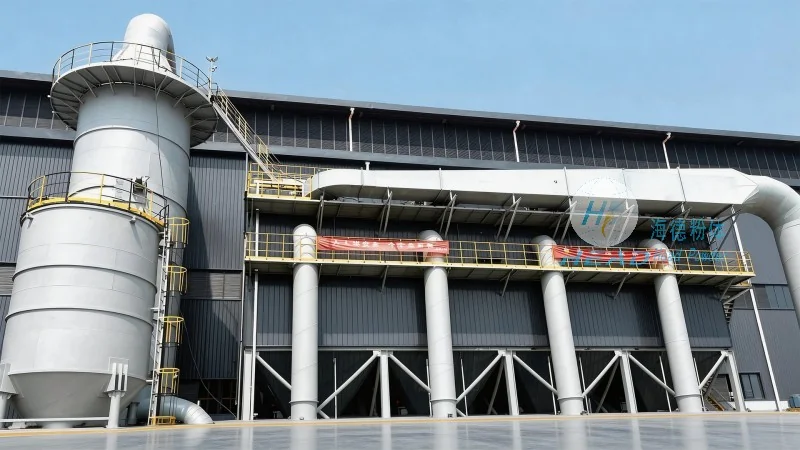
Pneumatic Conveying Systems: A Critical Component in Wool Processing
In the wool processing industry, efficient material handling is essential for maintaining productivity and ensuring the quality of the final product. Pneumatic conveying systems offer a non-contact, flexible, and hygienic method for transporting wool and other fibrous materials. These systems use air to move materials through a network of pipes, eliminating the need for mechanical components that can cause contamination or damage to delicate fibers. The choice of conveying mode—whether positive pressure, negative pressure, or a combination—plays a crucial role in determining the system's performance, cost, and suitability for specific applications.
Positive Pressure Conveying: Advantages and Applications
Positive pressure conveying systems operate by blowing air and material through the pipeline under pressure. This mode is particularly effective for transporting materials over long distances or through complex layouts. The primary advantage of positive pressure systems is their ability to handle a wide range of materials, including abrasive or dusty substances, without causing excessive wear on components. Additionally, positive pressure systems are generally more reliable in terms of maintaining consistent flow rates, as the pressure differential ensures continuous movement of the material. For wool processing, positive pressure systems are often used in applications where the material needs to be transported from a central location to multiple destinations, such as from a bale opener to several processing stations.
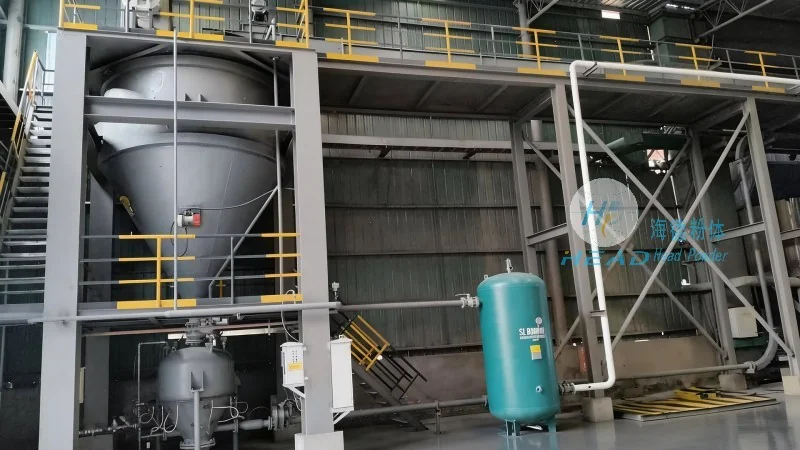
Negative Pressure Conveying: Benefits and Limitations
Negative pressure conveying, also known as suction conveying, operates by creating a vacuum in the pipeline to draw material from a source. This mode is ideal for applications where the material is to be collected from a large area or from multiple points, such as in a wool storage facility. The main benefit of negative pressure systems is their ability to handle fine powders or dust without generating excessive dust emissions. However, negative pressure systems are more susceptible to clogging and require more maintenance to prevent material buildup in the pipeline. They are also less efficient for long-distance transport compared to positive pressure systems, as the vacuum can weaken over distance, reducing the material's velocity.
Comparative Analysis: Positive vs. Negative Pressure Conveying
When selecting a pneumatic conveying system for wool processing, it is essential to consider the specific requirements of the application. Positive pressure systems are generally more suitable for high-volume, long-distance transport, while negative pressure systems are better suited for low-volume, short-distance applications or for collecting materials from multiple sources. The choice also depends on factors such as the material's characteristics (e.g., fiber length, moisture content), the system's layout, and the available space. For example, a wool processing plant with a large bale storage area and multiple processing lines may benefit from a combination of both positive and negative pressure systems to optimize material flow. Positive pressure systems can be used for transporting wool from the storage to the processing area, while negative pressure systems can be employed to collect waste or fine fibers from various points in the facility.
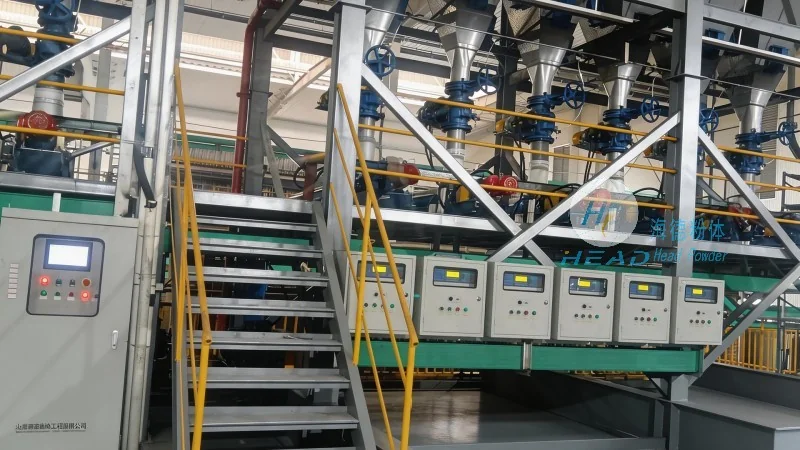
System Advantages and HeadPowder's Solutions
HeadPowder's pneumatic conveying systems for wool processing are designed to address the unique challenges of the industry. The company's systems incorporate advanced features such as adjustable pressure control, which allows operators to optimize the conveying process based on the material's properties. Additionally, the systems are equipped with filtration and cleaning mechanisms to maintain air quality and prevent contamination. HeadPowder's expertise in material handling ensures that their solutions are not only efficient but also durable and easy to maintain. By leveraging positive and negative pressure technologies, HeadPowder provides customized solutions that meet the specific needs of wool processing facilities, enhancing productivity and reducing operational costs.
Conclusion: Choosing the Right Pneumatic Conveying System for Wool Processing
Ultimately, the choice between positive and negative pressure pneumatic conveying systems for wool processing depends on the specific requirements of the application. Positive pressure systems offer advantages in terms of reliability and long-distance transport, while negative pressure systems excel in material collection and handling of fine fibers. By understanding the characteristics of the material and the layout of the processing facility, wool processing plants can select the most appropriate conveying mode to optimize their operations. HeadPowder, with its expertise and customized solutions, is a reliable partner for implementing effective pneumatic conveying systems that enhance productivity and ensure the quality of wool products.