

Technical Analysis of Wheat Pneumatic Conveying Systems: Comparison of Positive and Negative Pressur
Wheat pneumatic conveying systems are critical components in modern grain handling and processing facilities. The choice between positive and negative pressure conveying modes significantly impacts operational efficiency, system reliability, and overall cost-effectiveness. This technical analysis delves into the key differences, advantages, and practical applications of both positive and negative pressure systems, providing insights for industry professionals seeking to optimize their grain handling operations.
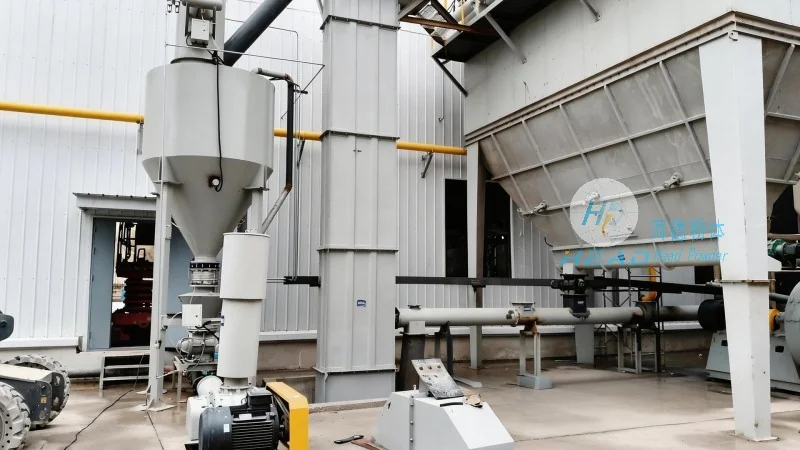
Introduction to Pneumatic Conveying Systems
Pneumatic conveying systems use air or gas to transport bulk materials like wheat through a network of pipes. These systems are widely used in the agricultural and food processing industries due to their ability to handle large volumes of material with minimal manual intervention. The primary distinction between positive and negative pressure systems lies in how the air is introduced into the system to create the necessary pressure differential for material movement.
Positive Pressure Conveying Mode
Positive pressure conveying systems operate by blowing air into the conveying line, creating a pressure higher than the ambient air pressure. This method is often referred to as "blow" or "pressure" conveying. In this mode, the air is introduced at the inlet of the system, and the material is drawn along with the air stream as it moves through the pipe. The system typically uses a positive displacement blower or a centrifugal fan to generate the required pressure. A key advantage of positive pressure systems is their ability to handle long conveying distances and high material loads without significant pressure loss. They are particularly effective for transporting wheat from storage silos to processing equipment or for long-distance transport between facilities.
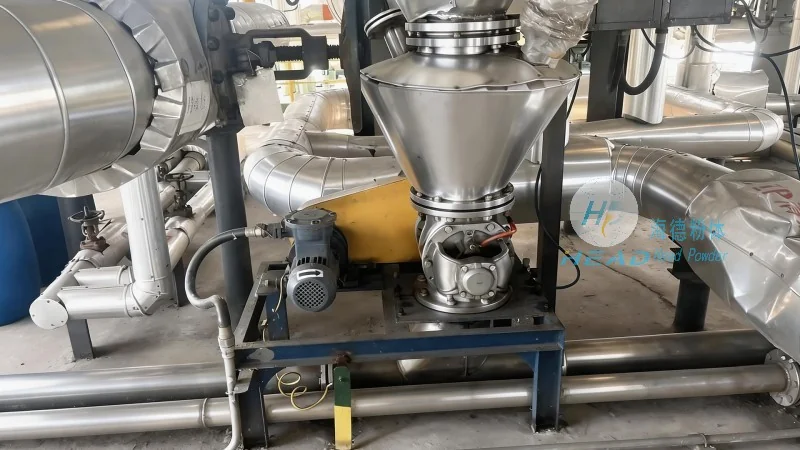
One of the main benefits of positive pressure systems is their self-cleaning capability. As the air flows through the pipe, it helps to dislodge and remove any accumulated material from the pipe walls, reducing the risk of blockages and ensuring consistent performance over time. This feature is especially valuable in applications where the material may have a tendency to stick to the pipe interior, such as with wheat that has high moisture content or contains fines. Additionally, positive pressure systems can handle a wide range of material characteristics, including varying particle sizes and densities, making them versatile for different wheat processing operations.
Negative Pressure Conveying Mode
Negative pressure conveying systems, also known as "suction" or "vacuum" conveying, operate by creating a vacuum in the conveying line, which is lower than the ambient air pressure. The material is drawn into the system by the suction created, and the air-material mixture is then transported through the pipe to the discharge point. This mode typically uses a vacuum pump or a fan to generate the required negative pressure. Negative pressure systems are generally more suitable for shorter conveying distances and for handling materials that are more sensitive to pressure changes or for applications where the material needs to be transported from a lower elevation to a higher one.
A significant advantage of negative pressure systems is their ability to handle materials that are prone to dust generation or that require a more gentle handling process. The lower pressure environment reduces the risk of material degradation and helps maintain product quality. For example, in wheat processing, negative pressure systems can be used to transport wheat from a storage bin to a cleaning or grading station without causing excessive dust or breakage of the grain. Another benefit is that negative pressure systems can be more energy-efficient for shorter distances, as the vacuum pump operates at lower power levels compared to a high-pressure blower used in positive pressure systems.
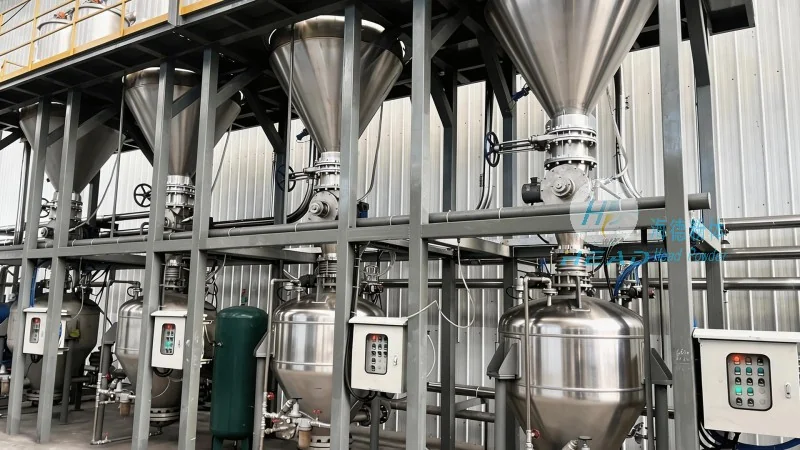
Comparison of Positive and Negative Pressure Systems
When comparing positive and negative pressure pneumatic conveying systems for wheat handling, several factors must be considered. The choice between the two modes depends on the specific application requirements, including conveying distance, material characteristics, and operational constraints. Positive pressure systems are generally preferred for long-distance transport and high material throughput, as they can maintain higher pressure levels and handle larger volumes efficiently. They are also more suitable for applications where the material may have a tendency to accumulate or stick to the pipe walls, as the air flow helps to prevent blockages.
On the other hand, negative pressure systems are better suited for shorter distances and for handling materials that are more sensitive to pressure or require a gentler transport process. They are often used in applications where dust control is a priority or where the material needs to be transported from a lower to a higher elevation. Negative pressure systems also tend to be more energy-efficient for shorter conveying distances, as the vacuum pump operates at lower power consumption compared to a high-pressure blower.
Key Considerations for System Design and Implementation
Designing an effective wheat pneumatic conveying system requires careful consideration of several technical and operational factors. The choice of pressure mode is a critical decision that impacts the system's performance and cost. Positive pressure systems typically require more robust components, such as high-pressure blowers and stronger pipe materials, to withstand the higher pressure differentials. Negative pressure systems, while generally more energy-efficient for short distances, may require additional filtration and dust control measures to prevent contamination of the air and material.
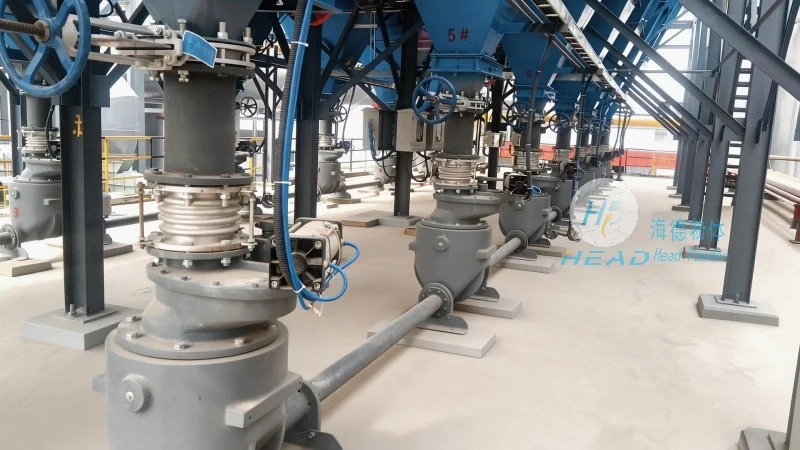
Material characteristics play a significant role in determining the appropriate conveying mode. For example, wheat with high moisture content or containing fines may benefit from the self-cleaning properties of positive pressure systems, as the air flow helps to prevent material buildup. Conversely, wheat that is more delicate or prone to dust generation may be better suited for negative pressure systems, which provide a gentler transport environment. The conveying distance is another important factor, as positive pressure systems are more effective for long distances, while negative pressure systems are more suitable for shorter distances.
Conclusion
In conclusion, both positive and negative pressure pneumatic conveying systems offer viable solutions for wheat handling operations, each with its own set of advantages and limitations. Positive pressure systems are ideal for long-distance transport and high material loads, while negative pressure systems are better suited for shorter distances and for handling materials that require a more gentle or dust-controlled transport process. The choice between the two modes should be based on a thorough analysis of the specific application requirements, including conveying distance, material characteristics, and operational constraints. By understanding the technical differences and benefits of each system, industry professionals can select the most appropriate solution to optimize their grain handling operations and ensure efficient, reliable, and cost-effective performance.