

Principle and Classification Application of Small Stone Pneumatic Conveying
HeadPowder, a leading engineering company based in Shandong, China, specializes in the design and implementation of pneumatic conveying systems for various industrial applications. This article provides an in-depth look at the fundamental principles of pneumatic conveying and its practical applications, particularly for small stone materials.
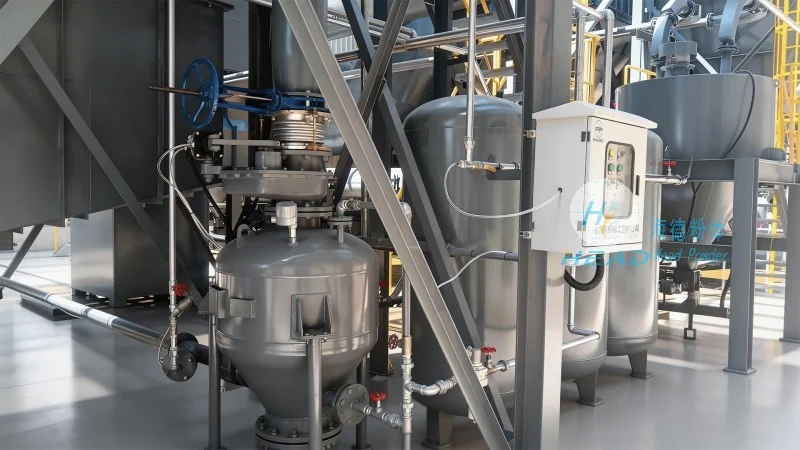
The Working Principle of Pneumatic Conveying
Pneumatic conveying is a method that utilizes air or gas flow to transport solid particles, such as small stones, through a pipeline. The core principle involves creating a pressure differential or using a vacuum to move the material. In an aspirated system, a vacuum is applied at the receiving end to draw the material into the pipeline, while in a pressurized system, compressed air pushes the material forward. The process relies on the interaction between the air flow and the solid particles, ensuring efficient and continuous transport without the need for mechanical components like belts or buckets.
Classification of Pneumatic Conveying Systems
Pneumatic conveying systems are typically classified into two main categories: aspirated (or suction) systems and pressurized (or pressure) systems. Each type has distinct characteristics and is suited for different operational requirements.
Aspirated systems operate under negative pressure, drawing material from the source into the pipeline. They are ideal for applications where the material needs to be collected from multiple points or where the source is at a lower elevation than the destination. The vacuum created at the inlet ensures that the material is drawn in efficiently, making this type suitable for small stone handling in mining, construction, or material processing facilities.
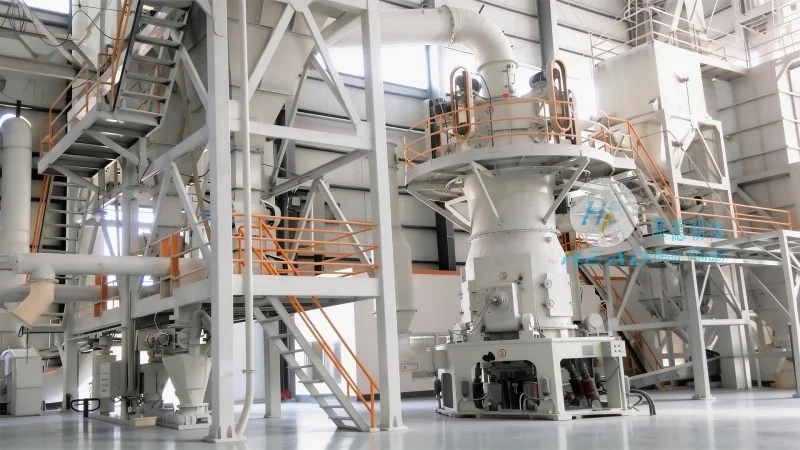
Pressurized systems, on the other hand, use positive pressure to push the material through the pipeline. These systems are generally more robust and can handle higher material loads and longer distances. They are commonly used in applications where the material needs to be transported from a higher elevation or where the source is at a higher pressure than the destination. For small stone applications, pressurized systems are often preferred for their ability to maintain consistent flow rates and minimize material degradation during transport.
Application of Pneumatic Conveying in Small Stone Handling
The application of pneumatic conveying for small stone materials is widespread across various industries. In mining operations, pneumatic systems are used to transport crushed stone from crushers to storage silos or processing units. The efficiency of these systems reduces labor costs and improves safety by eliminating the need for manual handling of heavy materials. In construction sites, pneumatic conveyors are employed to move small stones from stockpiles to mixing plants or to different work areas, ensuring a steady supply of materials without the need for trucks or other heavy machinery.
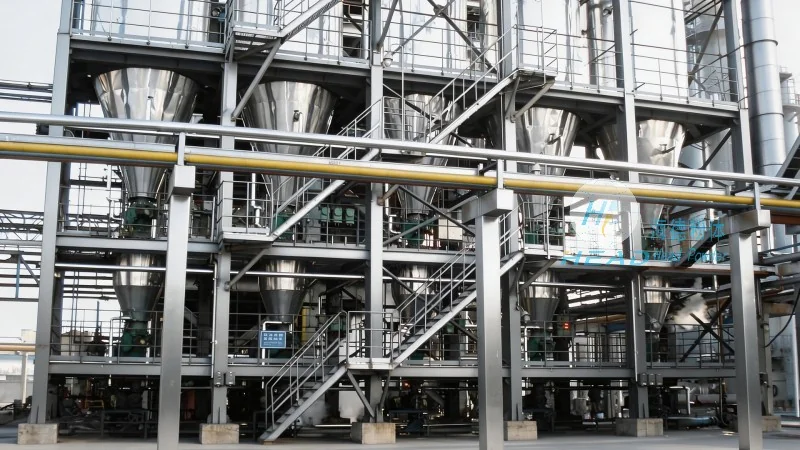
In material processing facilities, pneumatic conveying is used to transport small stones for further processing, such as grinding or sorting. The systems can handle a wide range of particle sizes and moisture content, making them versatile for different processing requirements. The ability to maintain a clean and dust-free environment is another advantage, as the enclosed pipeline system prevents dust from escaping into the workplace, enhancing safety and compliance with environmental regulations.
Advantages of Pneumatic Conveying for Small Stone
Compared to traditional mechanical conveying methods, pneumatic conveying offers several advantages for small stone handling. One of the key benefits is the ability to transport materials over long distances with minimal energy consumption. The systems are also highly flexible, allowing for changes in the layout or direction of the pipeline without significant modifications. Additionally, pneumatic conveying reduces material degradation and loss, as the enclosed system prevents breakage and spillage. The lack of moving parts also reduces maintenance costs and increases the overall reliability of the system.
Conclusion
HeadPowder Engineering Co., Ltd., based in Shandong, China, provides comprehensive solutions for pneumatic conveying systems tailored to the needs of small stone applications. By understanding the working principles and classification of these systems, industries can optimize their material handling processes, improve efficiency, and reduce operational costs. The application of pneumatic conveying in small stone handling continues to evolve, with advancements in technology enhancing its capabilities and versatility.