

Ammonia Fertilizer Pneumatic Conveying Equipment: An Overview of Structure and Working Principle
Ammonia fertilizer, a cornerstone of modern agricultural practices, demands efficient and reliable handling systems to ensure optimal distribution and application. Pneumatic conveying equipment designed for ammonia fertilizer transport addresses these needs by utilizing air pressure to move granular or liquid ammonia-based fertilizers through pipelines. This technology offers significant advantages over traditional methods, including reduced labor costs, minimized material loss, and enhanced safety in handling hazardous substances. As a leading manufacturer in this field, Shandong HeadPowder Engineering Co., Ltd. specializes in providing high-quality pneumatic conveying solutions tailored to the specific demands of ammonia fertilizer processing and distribution.
Key Structural Components of Pneumatic Conveying Systems for Ammonia Fertilizer
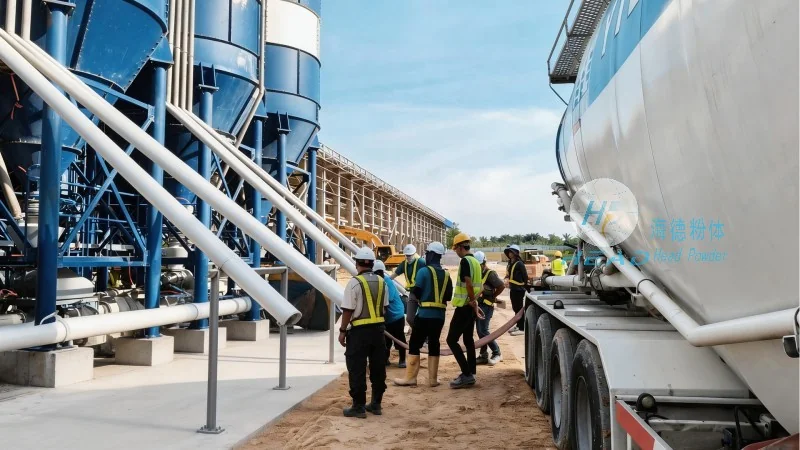
The core structure of an ammonia fertilizer pneumatic conveying system typically consists of several essential components that work in tandem to facilitate the transport process. These components include the hopper or feed hopper, which holds the ammonia fertilizer and controls the flow rate; the conveyor line or pipeline network that transports the material; the air compressor or blower that generates the necessary air pressure; and the control system that regulates the operation of the entire system. The hopper is designed with features such as a rotary valve or gate valve to ensure a controlled discharge of the fertilizer, preventing blockages and maintaining consistent flow. The pipeline is usually made of corrosion-resistant materials like stainless steel or special alloys to withstand the chemical properties of ammonia and prevent leakage. The air compressor is selected based on the required air volume and pressure, with options ranging from rotary lobe blowers to centrifugal compressors. The control system integrates sensors and automation technologies to monitor parameters like pressure, flow rate, and temperature, ensuring safe and efficient operation.
Working Principle of Ammonia Fertilizer Pneumatic Conveying
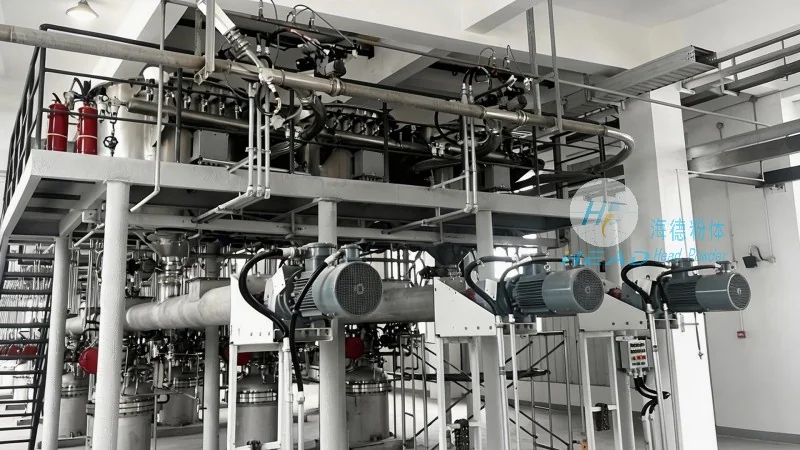
The working principle of ammonia fertilizer pneumatic conveying relies on the force of compressed air to move the fertilizer particles through the pipeline. There are two primary modes of operation: dilute phase and dense phase conveying. In dilute phase conveying, the air velocity is high enough to keep the fertilizer particles suspended in the air stream, allowing for long-distance transport with minimal pressure drop. This mode is suitable for short to medium-distance applications and is often used for transporting fine or granular ammonia fertilizers. In dense phase conveying, the air velocity is lower, and the fertilizer particles are conveyed in a more concentrated form, resulting in lower air consumption and reduced wear on the pipeline. This mode is ideal for high-capacity applications or when transporting larger particles that require more stable flow. The process begins with the ammonia fertilizer being fed into the hopper, where it is then discharged into the pipeline through a rotary valve. Simultaneously, the air compressor supplies compressed air into the pipeline, creating a pressure differential that propels the fertilizer forward. The air and fertilizer mixture travels through the pipeline, with the air providing the necessary kinetic energy to move the material. At the receiving end, the fertilizer is separated from the air using a separator or cyclone, and the air is either recirculated or vented. The control system continuously adjusts the air pressure and flow rate to maintain optimal conveying conditions, ensuring consistent performance and minimizing energy consumption.
Advantages of Using Pneumatic Conveying for Ammonia Fertilizer Handling
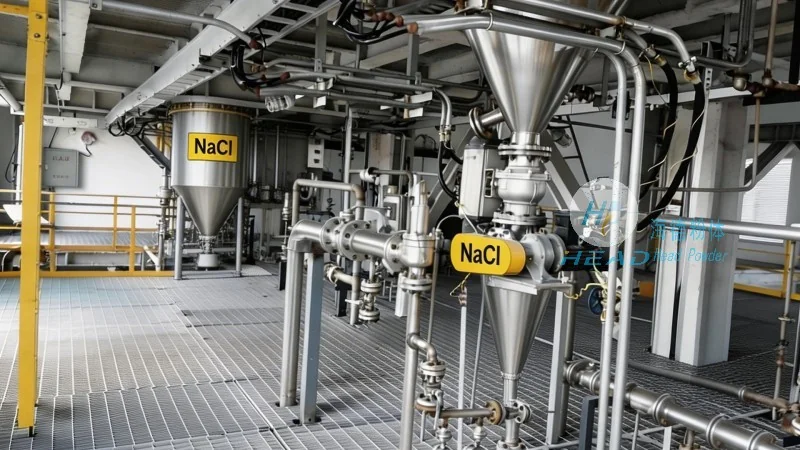
Implementing pneumatic conveying systems for ammonia fertilizer handling offers numerous benefits that enhance operational efficiency and safety. One of the most significant advantages is the ability to handle hazardous materials in a closed system, which reduces the risk of exposure to workers and minimizes environmental contamination. The enclosed pipeline design prevents dust and ammonia fumes from escaping, creating a safer working environment. Additionally, pneumatic conveying systems can operate with minimal human intervention, as the control system automates the feeding, conveying, and separation processes. This reduces labor costs and improves productivity, especially in large-scale fertilizer production and distribution facilities. The system also allows for flexible layout designs, as the pipeline can be routed around obstacles and adapted to different facility configurations. Furthermore, the use of corrosion-resistant materials and advanced control technologies ensures long-term reliability and low maintenance costs, making the system a cost-effective solution for ammonia fertilizer handling. The ability to transport ammonia fertilizer over long distances without the need for intermediate storage or handling points also streamlines the supply chain, reducing transportation costs and improving delivery times.
Customization and Application Considerations for Ammonia Fertilizer Pneumatic Conveying Equipment
Shandong HeadPowder Engineering Co., Ltd. understands that each ammonia fertilizer processing facility has unique requirements, and therefore, offers customized pneumatic conveying solutions tailored to specific applications. The company's engineers work closely with clients to assess factors such as fertilizer type, particle size, required conveying distance, and operational conditions to design a system that meets all needs. For example, in facilities processing granular ammonia fertilizers, the system may be configured with a dilute phase conveying mode to handle fine particles efficiently. In contrast, for facilities handling larger or bulkier fertilizer products, a dense phase system with higher air pressure and lower velocity may be recommended. The company also considers environmental regulations and safety standards when designing the system, ensuring compliance with local and international guidelines. Customization options include different hopper capacities, pipeline diameters, air compressor specifications, and control system features. The goal is to provide a system that not only meets the current operational needs but also allows for future expansion and adaptation to changing production demands. By working with HeadPowder, clients can benefit from expert engineering, quality manufacturing, and reliable after-sales support, ensuring that their ammonia fertilizer handling system operates at peak performance.
Conclusion: The Role of Pneumatic Conveying in Modern Ammonia Fertilizer Handling
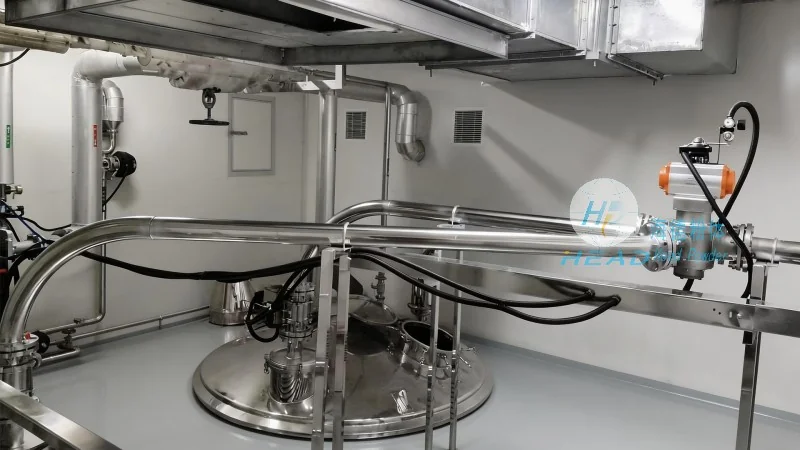
In conclusion, ammonia fertilizer pneumatic conveying equipment plays a vital role in the efficient and safe handling of ammonia-based fertilizers in modern agriculture. The combination of advanced structural components, precise working principles, and customized solutions ensures that these systems meet the demanding requirements of fertilizer production and distribution. As a leading manufacturer, Shandong HeadPowder Engineering Co., Ltd. continues to innovate and improve its pneumatic conveying technology to provide clients with reliable, efficient, and cost-effective solutions. By leveraging the advantages of pneumatic conveying, agricultural facilities can enhance productivity, reduce operational costs, and maintain a safe working environment. The future of ammonia fertilizer handling lies in the continued development and application of advanced pneumatic conveying systems, and Shandong HeadPowder is at the forefront of this technological advancement, providing the industry with the tools needed to meet the growing demands of global agriculture.