

Operation Process and Working Principle of Powder Pneumatic Conveying Equipment for Pharmaceutical P
HeadPowder, a leading manufacturer based in Shandong, China, specializes in the design and production of advanced powder pneumatic conveying systems tailored for the pharmaceutical sector. These systems are engineered to meet stringent regulatory standards, ensuring safe and efficient material handling for active pharmaceutical ingredients (APIs), excipients, and other powder-based components. The equipment plays a critical role in pharmaceutical manufacturing, facilitating the transfer of powders from storage silos to processing lines, packaging units, or other production stages with minimal contamination risk and high operational reliability.
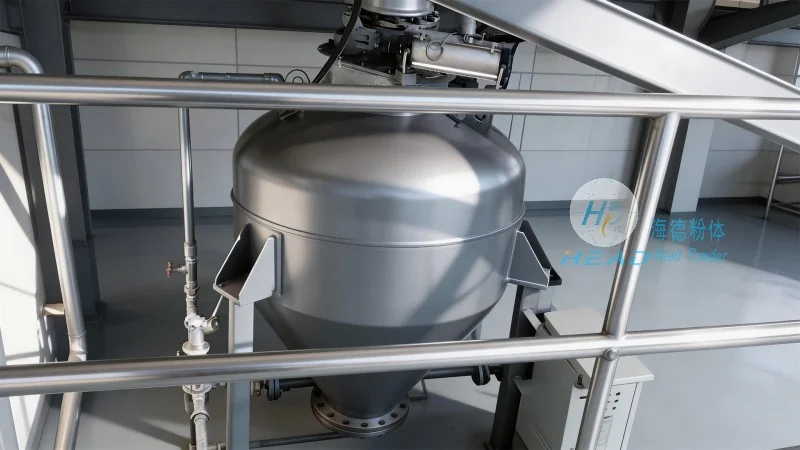
Key Components and Their Functions in the Equipment
The powder pneumatic conveying system consists of several core components that work in concert to achieve efficient material transport. These include a hopper or feeder for receiving the powder, a conveying line (typically made of stainless steel to prevent contamination), a blower or compressor that generates the air flow, and a control system for regulating pressure and flow rates. The hopper is designed with a smooth interior and a discharge valve to ensure consistent powder flow without clogging. The conveying line is often equipped with bends and elbows that are carefully engineered to minimize powder degradation and maintain particle integrity. The blower provides the necessary air pressure to move the powder particles through the system, while the control system allows operators to adjust parameters such as air volume and pressure to match the specific characteristics of the powder being handled.
Working Principle of the Pneumatic Conveying Process
The operation of the powder pneumatic conveying equipment follows a systematic process that involves several stages. Initially, the powder is fed from the storage hopper into the conveying line under the control of the feeder. Simultaneously, the blower generates a high-pressure air stream that travels through the conveying line. As the air flows, it entrains the powder particles, creating a mixture known as a "pneumatic stream." This stream is then directed through the system's piping network, which may include branches, filters, and cyclones to separate the powder from the air at the receiving end. The cyclone separator, for example, uses centrifugal force to separate the heavier powder particles from the lighter air, allowing the air to be recirculated or vented, while the powder is collected in a designated container. The control system continuously monitors the pressure, flow rate, and temperature within the system, ensuring that the process operates within safe and efficient parameters. This closed-loop system minimizes the risk of cross-contamination and dust exposure, which are critical concerns in pharmaceutical manufacturing.
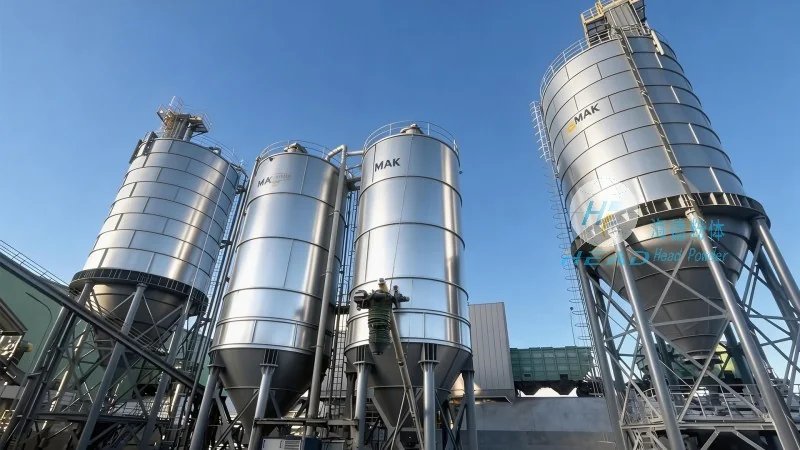
Operation Process: Step-by-Step Execution
The operation of the powder pneumatic conveying system can be broken down into a series of sequential steps that ensure smooth and reliable material transfer. First, the system is initiated by opening the feeder valve, which allows the powder to enter the conveying line. The blower is then started, and the air flow is adjusted to the appropriate pressure and volume based on the powder's properties and the system's design. As the powder is fed into the line, it is entrained by the air and moves toward the receiving hopper or processing unit. The control system continuously monitors the pressure drop across the conveying line, which indicates the flow rate and any potential blockages. If a blockage is detected, the system may automatically reduce the air flow or stop the feeder to prevent damage. Once the material reaches the destination, the receiving container is opened, and the powder is discharged. The system is then shut down by stopping the blower and closing the feeder valve. This step-by-step process ensures that the powder is transferred efficiently and safely, with minimal downtime and operational issues.
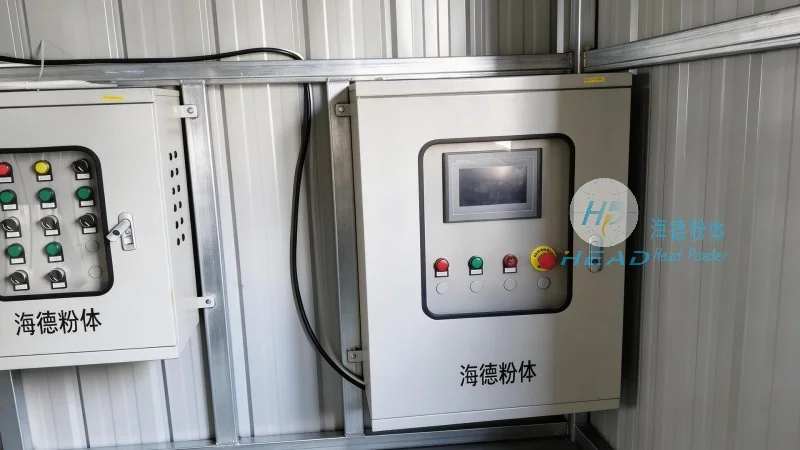
Advantages of Using Powder Pneumatic Conveying Equipment in Pharmaceuticals
Implementing powder pneumatic conveying systems in pharmaceutical manufacturing offers several significant advantages over traditional methods such as bucket elevators or belt conveyors. One of the primary benefits is the reduced risk of contamination, as the system operates in a closed environment, preventing exposure to external contaminants and minimizing dust generation. This is particularly important for handling sterile or high-purity powders, where even trace amounts of contaminants can compromise product quality and regulatory compliance. Additionally, the equipment is highly flexible and can handle a wide range of powder characteristics, including different particle sizes, densities, and flowability. The ability to adjust air flow and pressure allows for precise control over the conveying rate, ensuring consistent material delivery to downstream processes. Another advantage is the space efficiency of the system, as it requires less floor space compared to traditional bulk handling equipment, making it suitable for compact pharmaceutical facilities. Furthermore, the closed-loop design reduces energy consumption by recycling the air, which is both cost-effective and environmentally friendly.
Regulatory Compliance and Quality Assurance
HeadPowder's powder pneumatic conveying equipment is designed to comply with the stringent regulatory requirements of the pharmaceutical industry, including guidelines from the FDA, EMA, and other international bodies. The equipment is constructed from high-grade stainless steel (e.g., 316L) to ensure corrosion resistance and easy cleaning, which is essential for maintaining a sterile environment. The system is also equipped with advanced sensors and monitoring tools that provide real-time data on temperature, pressure, and flow rates, enabling operators to track performance and identify any deviations from standard operating conditions. Regular maintenance and calibration of the equipment are performed to ensure consistent performance and adherence to quality standards. HeadPowder's commitment to quality is further demonstrated by its ISO certification and adherence to GMP (Good Manufacturing Practice) guidelines, ensuring that the equipment meets the highest industry standards for safety, reliability, and efficiency.